Share this project

Maartje Meier
Universiteit Leiden
Publication date: 21 mei 2026
University: Universiteit Leiden
ISBN: 978-94-6534-323-5
Unraveling fibrous dysplasia/McCune-Albright syndrome
Summary
Fibrous dysplasia/McCune-Albright syndrome (FD/MAS) is a chronic and possibly debilitating disorder, for which treatment may be challenging due to the heterogenic patient presentation, rarity of the disease, and variable treatment response. This thesis aimed to unravel several knowledge gaps in the pathophysiology, epidemiology, and progression of FD/MAS with basic, translational and cohort studies, and evaluated outcomes of treatment in order to enhance symptom management and patient wellbeing.
Part 1: Pathophysiology
In chapter 2, the first proof-of-concept study for human ex-vivo tissue cultures was discussed. Skeletal surgical waste tissues were explanted and cultured up to 7 days, and antigens of interest were detected with histological, enzymatic and immunohistochemical staining. Histomorphometric analyses demonstrated preserved tissue architecture, preserved functioning of early and late osteoblasts and of osteoclasts, with limited apoptosis. Sections showed representative characteristics of FD/MAS in comparison to control tissue. These results point to a successful culture model and allow future research with pharmaceutical agents.
Chapter 3 described a translational study, where concentrations of potential biomarkers Receptor Activator of Nuclear factor kB-ligand (RANKL), osteoprotegerin (OPG), sclerostin and interleukin-6 (IL-6) were measured in serum samples of 96 adult patients with FD/MAS. Correlations were calculated with standard bone turnover markers alkaline phosphatase (ALP), procollagen type 1 propeptide (P1NP) and beta crosslaps (CTX), skeletal burden score (SBS), and pain scores. RANKL serum levels correlated weakly with ALP (Spearman rho 0.309, p=0.004), but no other correlations were observed between the potential biomarkers and standard bone turnover markers and none of the studied markers correlated with pain, SBS, or bisphosphonate treatment response, showing no superiority over standard markers in assessing disease severity or activity and emphasizing the importance of nuclear imaging and patient-reported outcome measures. Yet, IL-6 and RANKL levels prior to denosumab treatment were higher in patients with adequate treatment response to denosumab compared to non-responders, and correlated with an improvement in pain scores. This observation in a small group of patients could aid in selecting patients who might benefit from denosumab treatment.
For chapter 4, the link between Receptor Activator of Nuclear factor kB-ligand (RANKL) upregulation and development of breast cancer in FD/MAS was explored. RANKL immunohistochemistry was performed in breast cancer tissue of 9 patients with FD/MAS, of matched control patients, and of pregnant positive control patients. Three patients with FD/MAS (38%) demonstrated RANKL expression versus 0 control patients. Staining was observed in certain areas of surrounding healthy ductal lobular, but barely in malignant tissue, with a higher positive area percentage in these 3 FD-patients compared to both control groups and with strong intensity comparably to positive controls. Those 3 patients with FD/MAS all had thoracic FD lesions but only 1/3 patients had a high FD skeletal burden. These results point to a local and possibly mosaic upregulation of RANKL in healthy mammary tissue in FD/MAS, which could induce an oncogenic niche in concurrence with other risk factors. Yet, the pathophysiology of RANKL-driven breast cancer needs to be elucidated, and questions remain on reasons for absence of expression in other FD patients, on the link between skeletal burden or other possible risk factors and RANKL expression, and on implications for early screening or prognosis.
Part 2: Disease characterization
In chapter 5, a cohort study was conducted with the nation-wide registry in Denmark. Patients were included with either ICD-10 code M85.0 for monostotic FD (n=269) or Q78.1 for polyostotic FD/MAS (n=139). Both incidence and prevalence of FD/MAS increased over the years with the most recent incidence rate in 2015-2018 being 3.6 per 1,000,000 person-years (95% CI: 2.9, 4.5) and prevalence 61.0 per 1,000,000 persons (95% CI: 54.6, 67.4) in 2018, which is equivalent to 1 case per 16,500 (95% CI: 14,837, 18,315) persons. FD/MAS was most frequently diagnosed between age 11 and 20 and incidence rate of MFD was 2.5-fold that of PFD/MAS at the end of the study period. This study is the first to calculate incidence and prevalence values of clinically apparent FD/MAS a nationwide cohort with low selection bias. These measures provide understanding of the distribution of the disease and are useful for patient counseling, health care planning and budgeting, comparison with other skeletal dysplasias, and for future studies.
For chapter 6, risk factors for progressive varus deformity in the proximal femur were determined in a cohort of pediatric and adolescent patients <30 years of age with femoral involvement of FD in two tertiary centers, the LUMC in the Netherlands and NIH in the USA. In 180 patients with 274 affected femurs, the prevalence of the coxa vara deformity was 36%. In nested case-control analysis comparing patients with and without deformity, risk factors were presence of MAS, hyperthyroidism, hypophosphatemia, high percentage of the femur affected by FD, and calcar destruction (all p-values <0.001). The linear mixed effects model demonstrated the following risk factors for progression of deformity: growth hormone excess (β=7.2, p=0.013), hyperthyroidism (β=11.3, p<0.001), >25% of the femur affected (β=13.2, p=0.046), calcar destruction (β=8.3, p=0.004), cystic appearance of the lesion (β=3.9, p=0.009), and bilateral involvement (β=9.8, p=0.010). Development of deformity accelerated in patients <15 years of age with neck-shaft angle declining <120 degrees. In this study, frequent monitoring is suggested of radiographic, lesional risk factors as well as systemic, patient-related risk factors for deformity. It is recommended to optimize treatment according to the guidelines and to consider surgery in teenagers and adolescents if the NSA declines below 120 degrees. Part 3: Treatment Chapter 7 focused on effects of 1 year of care according to a multidisciplinary care pathway for FD/MAS on pain, measured with the Brief Pain Inventory (BPI) by visual analogue scale (VAS) (0-10), and on quality of life, as measured with Short Form 36 (SF-36). The study demonstrated reduced scores for all domains of quality of life in patients with FD/MAS at baseline compared to the general population and moderate to severe pain in 67% of patients. Patients who were referred to the care trajectory < 1 year prior to completion of the baseline questionnaires reached a clinically important difference (CID) of 1 point on VAS for maximum pain, average pain and pain interference after 1 year or care, as well as a CID in domains Physical Function, Role Physical, Social Functioning, and Health Change. Patients who were already included in the care pathway > 1 year prior to baseline, also reported improved Physical Function and Emotional Wellbeing despite stable pain scores after 1 year. This study underwrites findings of previous studies that pain, functional disability and reduced quality of life are important aspects of FD/MAS yet difficult to manage, and suggests that referral to a tertiary care center with a dedicated pathway needs to be recommended.
In chapter 8, results of withdrawal from denosumab treatment were reported in 37 adult patients during a median follow-up of 3.2 years after withdrawal. Only one patient demonstrated hypercalcemia after discontinuation, yet mild, asymptomatic and self-limiting. An increase in ALP, P1NP and CTX was observed in the majority of patients mostly between 3 and 6 months after withdrawal, with levels exceeding pretreatment levels in 46% of cases for ALP, 44% for P1NP and 89% for CTX. The highest rebound was observed in patients with high pretreatment levels responding well to treatment, while patients with no suppression of bone turnover markers during treatment (non-responders) did not demonstrated change after discontinuation. Despite the biochemical rebound, no fractures, pain flares or lesions progression were observed, indicating that withdrawal from denosumab therapy may be safe, but warrants frequent clinical and biochemical follow-up.
See also these dissertations


Toby van Gastelen
Structure-Preserving Data-Driven Methods for Modeling Turbulent Flows
19 mei 2026
TU Eindhoven
Open Ebook
Ton Winkelmolen
Molecular insights into the role of VRS5 in tillering and lateral spikelet development in barley
12 juni 2026
Wageningen University
Open Ebook
Selcuk Peker
Gamma Knife Radiosurgery for Skull Base Tumors
10 juni 2026
Universiteit Maastricht
Open Ebook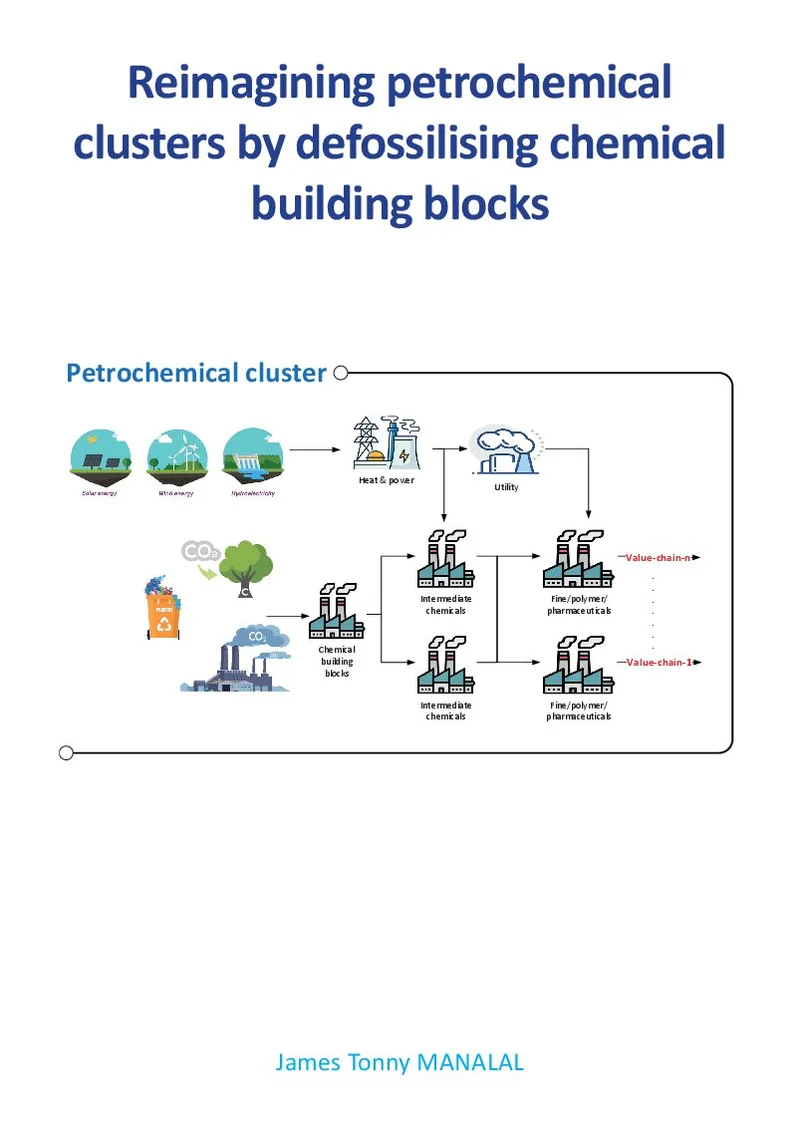
Tonny Manalal
Reimagining petrochemical clusters by defossilising chemical building blocks
18 mei 2026
Overig
Open Ebook


Cora De Gol
Microbial stabilization and protein functionality of plant-based liquids using pulsed electric fields
17 juni 2026
Wageningen University
Open Ebook
We print for the following universities