Celine van Bilsen
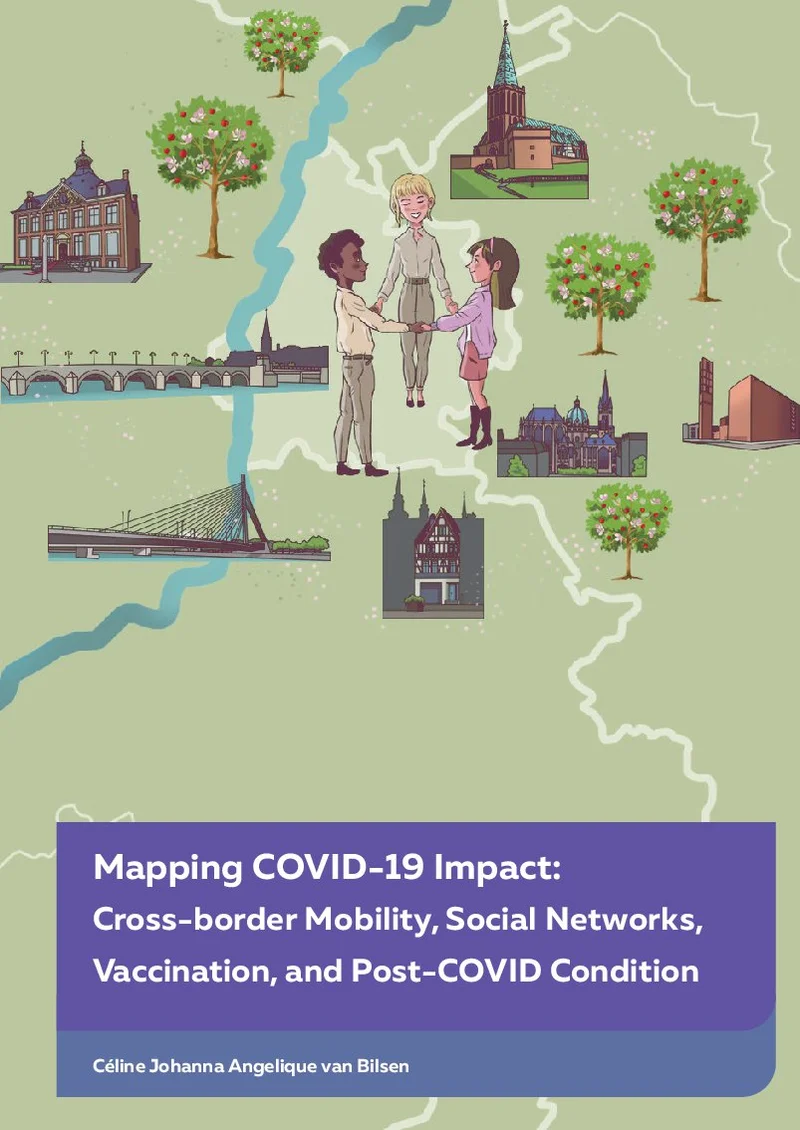


Mapping COVID - 19 Impact
In dit onderzoek hebben we longitudinale gegevens uit het PRIME-onderzoek gebruikt om het percentage PCC-patiënten dat na verloop van tijd herstelt te schatten, evenals de daarmee samenhangende individuele en omgevingsfactoren. PCC-groepen werden ingedeeld op basis van het gevoel van herstel in combinatie met het vermogen om dagelijkse activiteiten uit te voeren (PCC-affectedDA = geen of lichte problemen bij het uitvoeren van dagelijkse activiteiten; PCC-impairedDA = matige tot ernstige problemen bij het uitvoeren van dagelijkse activiteiten). Van de deelnemers met PCC-impairedDA (n = 602) herstelden 222 (36,9%) en verslechterden 59 (9,8%) naar PCC-beperkte DA. Van de patiënten met PCC-impairedDA (n=277) herstelden 30 (10,8%) en verbeterden 88 (31,8%) in hun dagelijks functioneren naar PCC-affectedDA. Bij zowel PCC-affectedDA als PCC-impairedDA verminderden de volgende individuele en omgevingsfactoren de kans op herstel: een slechtere fysieke gezondheid (milde/ernstige vermoeidheid, ernstige dyspneu, ernstige symptomen van geheugenverlies, concentratieproblemen, spierpijn of -zwakte, verlies/verandering van reuk/smaak), slechtere mobiliteit (uren liggend doorbrengen, problemen met lopen), slechtere geestelijke gezondheid (depressie), ernstigere acute ziekte (meer symptomen, ziekenhuisopname/zuurstofgebruik); voormalig roken; wonen in een landelijk gebied, een relatie hebben en meer leden in het sociale netwerk hebben die praktische ondersteuning bieden (bij patiënten met chronische comorbiditeiten). Slechts 11% - 37% van de patiënten met PCC in het PRIME-cohort herstelde na 9 maanden, waardoor er aanzienlijke ruimte is voor verbetering en voor toekomstig onderzoek om beïnvloedbare factoren en behandelingen te identificeren die het herstel van patiënten met PCC kunnen ondersteunen. Hoofdstuk 10 bespreekt de belangrijkste bevindingen van dit proefschrift en de implicaties voor de volksgezondheid. Het hoofdstuk reflecteert op de methoden en het belang van onderzoek op populatieniveau tijdens een pandemie, en benadrukt de noodzaak van tijdige data verzameling en (grensoverschrijdende) samenwerking. Daarbij wordt de rol van sociale netwerken, omgevings- en systemische factoren in vaccinatiestrategieën en pandemieparaatheid belicht. Dit omvat het bevorderen van sterke sociale netwerken, het stimuleren van sociale participatie, het creëren van ondersteunende en uitnodigende openbare ruimtes, en het waarborgen van duidelijke en betrouwbare communicatie. Ten slotte wordt gewezen op de aanzienlijke impact van post-COVID-19 conditie op individuen en gemeenschappen, en wordt het belang van duidelijke criteria voor diagnose en herstel, flexibel werkplekbeleid, en toegankelijke zorg en ondersteuning benadrukt.
| Publicatiedatum | 19 mei 2026 |
| Universiteit | Universiteit Maastricht |
| Auteur | Celine van Bilsen |
| ISBN nummer | 978-94-6534-324-2 |