Share this project

Nynke Borren
Erasmus Universiteit Rotterdam
Publication date: 17 maart 2020
University: Erasmus Universiteit Rotterdam
ISBN: 978-94-6380-707-4
Quality of Life in Inflammatory Bowel Disease
Summary
GENERAL DISCUSSION
This thesis aimed to provide more insight into clinical and biological factors influencing the quality of life of Inflammatory Bowel Disease patients. As clinicians and researchers, we tend to focus more on disease specific symptoms and objective disease markers and less on the quality of life which is one of the most important outcomes for patients. Therefore, little knowledge regarding determinants of quality of life are available and much remains unknown. In particular the pathophysiology of subjective symptoms such as fatigue, sleep and mood and their relation to IBD is unclear. This thesis started with exploring the current knowledge of the disabling symptom of fatigue in IBD patients followed by the assessment of the effect of new biological therapies on psychosocial symptoms such as fatigue, sleep and mood. The last part of this thesis used newly developed research technologies, known as ‘omics research, to investigate the underlying mechanism of fatigue in IBD and to identify the impact of family history on the natural history of IBD.
Quality of life & psychosocial symptoms
Living with a chronic disease can be a challenge for the patient and have a significant burden on the life of these patients. A large cohort study from Norway that followed newly diagnosed cases of IBD for five years, reported that 11.7% of the IBD patients were unemployed compared to 4.1% in the general Norwegian population 1. Unemployment and sick leave were both negatively related to the patient’s health related quality of life. Another important and high prevalent symptom in IBD patients with a profound negative effect on the quality of life is fatigue. Therefore, this thesis starts with a review (Chapter 2) that provided more insight in this disabling symptom and extensively discussed the current knowledge on the pathophysiology of fatigue. Although the exact aetiology of fatigue remains unknown, it’s likely multifactorial with several contributing factors such as active inflammation, nutritional deficiencies and gut dysbiosis. Emerging evidence suggests a bi-directional communication system between gastrointestinal tract and the central nervous system, known as the gut-brain axis, and that disruption of the gut microbiome might contribute to the development of fatigue and other psychological symptoms 2, 3. As stated in the review, several potential factors and underlying pathways that mediate fatigue have been identified and improved our understanding of fatigue in IBD but also highlight the urgent need for more fundamental research to unravel the exact pathophysiology of this frequented reported symptom. Due to the unclear pathophysiology and given the several challenges faced by clinicians treating these IBD patients – including the heterogeneity of symptom presentation and variety of therapeutic options with potential adverse effects – the assessment of fatigue and quality of life is often neglected, resulting in poorer disease outcomes. Indeed, quality of life was one of the main determinants of permanent work disability in patients with IBD. Additionally, the research on therapies for fatigue is scarce and limited to behavioural adjustments with short-term effect. Resulting in poor treatment of this disabling symptom.
Biologic therapies & psychosocial symptoms
As stated in our previous review, fatigue is multifactorial and current therapy strategies might contribute to improvement of psychosocial symptoms but little evidence from research studies is available. Main focus of many research studies in IBD is to develop new therapeutic agents targeting specific parts of the immune system and evaluate their ability to reduce clinical symptoms and induce disease remission. However, IBD is not limited to the gut alone but also encompasses psychosocial disabilities but these psychosocial symptoms are rarely included as disease outcomes in pharmaceutical clinical trials. This motivated us to evaluate the effect of these new therapeutic biological agents on fatigue symptoms (Chapter 3). In parallel of improved disease activity symptoms, amelioration of fatigue symptoms after initiation of biologic therapy was observed in the first year. Although, it should be noted that the majority of the patients (61%) initiating one of these biologic agents remain fatigued at 1 year. Even if they achieved clinical remission, one third of these patients continued to experience significant fatigue symptoms. Although some patients were lost in follow up due to no effective response and consequently discontinuation of the therapy, it’s likely that these patients had increased disease activity resulting in greater fatigue. Thus, our results could be an underestimation. Similar rates of residual fatigue while on biological therapy were observed in other autoimmune diseases treated with biologic agents. A large British registry for Rheumatoid Arthritis reported that 63% of the patients (n=271) continued to experience fatigue, despite achieving disease remission with anti-TNF therapy 5. These results together show that amelioration of fatigue symptoms is only partially mediated through an improvement in disease activity and inflammation but there is likely another unknown pathway.
Another understudied extra-intestinal manifestation of IBD with profound impact on the quality of life is sleep impairment. Existing research suggest that there is a bidirectional interaction between active inflammation and sleep disturbance. Elevated inflammatory markers such as C-reactive protein, IL-1, IL-6 and TNF-α have shown strong association 6-9 with poor sleep quality and vice versa increased sleep disturbance may increase the risk of relapse of disease 10. In parallel to sleep disturbance symptoms, similar associations have been observed for depressive and anxiety symptoms. While sleep and mood affect the patients functioning and decrease the quality of life, the symptoms are frequently poorly addressed and treated in IBD. Given the fact that new biological agents such as anti-TNF and anti-integrin demonstrated efficacy in achieving clinical, mucosal and endoscopic remission and reducing the need for surgical intervention and hospital admission, it is reasonable to presume that these agents may improve psychosocial outcomes of IBD patients. Consequently, we performed a prospective cohort study in patients with moderate-to-severe IBD initiating biological therapy with vedolizumab or anti-tumour necrosis factor α (anti-TNF) (Chapter 4). Both vedolizumab and anti-TNF therapies showed significant reduction in disturbed sleep symptoms within 6 weeks of start of therapy (sleep T-score 52.8 vs 49.8 respectively, p=0.002) and continued at week 14 (49.2, p=0.002). Although available mood measurements at follow up was limited, improvement in both depression and anxiety was noted especially in the group that received vedolizumab therapy and a trend towards significance in the anti-TNF receiving group. Along with these positive results, disease activity improved with 48% of the enrolled patients achieving clinical remission at week 14. Those patients that achieved clinical remission at week 14 were less likely to experience disturbed sleep (13% vs 31%, p=0.010), depressive (18.2% vs 47.3%, p=0.002) and anxiety symptoms (34.1% vs 56.4%, p=0.027) compared to those that continued to have active disease. Thus, it is important to achieve disease remission which could decrease pro-inflammatory cytokines resulting in improved sleep symptoms in IBD patients. Whether amelioration of sleep and mood symptoms was mediated through improvement in gut inflammation only or by a direct communication system with the central nervous system remains unclear.
These advanced therapeutics offer physicians multiple effective treatment options to treat IBD patients but management of IBD also becomes more complex and increasingly specialized. A delay in optimal treatment of IBD can result in worsening disease outcomes followed by a decrease of quality of life. Thus, IBD patients would benefit from a gastroenterologist that is specialized in IBD care. Prior studies have shown that medical centers offering specialized IBD care had better disease outcomes and lower mortality 11 for up to 1 year after hospital discharge and earlier access to IBD-specific surgical 12 treatment. However, a center specialized in IBD is not naturally close to home and several patients have to travel a great distance to access such care, which potentially could delay initiation of optimal medical care. One can envision that patients living further away from specialized care might be at higher risk for worsening disease outcomes. Therefore, we assessed the impact of travel distance to a specialized IBD hospital (Chapter 5). The primary exposure of interest was the travel distance to Massachusetts General Hospital (MGH) which was divided in quartiles with the higher quartiles increasingly further distant to the hospital. Those patients with the greatest distance (most distant quartile) to the hospital were at higher risk to need IBD-related surgical intervention in comparison to those living in the closest quartile (OR 2.44, 95% CI 1.80-3.32). Additionally, we observed that those patients with the most distant travel distance had a two-fold increased risk to need biologic therapy (OR 2.19, 95% CI 1.69 – 2.85). Although MGH is known to welcome referred IBD patients with more complicated disease which could bias the results, we think the referral bias is not solely explaining our findings. As similar results were observed when analysis was restricted to travel distance within 40 or 80 kilometers and the patients recruited for the study were not one-time consultation visits. Prior research studies have suggested to centralize specialized health care to share specific knowledge, 13 improve quality of care and disease outcomes, and to reduce health care costs. However, these specialized high volume healthcare centers are often located in large city centers, resulting in a greater physical distance and followed by limited access for patients living further away. As we observed in this study, this greater travel distance may lead in poorer disease outcomes or could negatively influence the benefit of receiving specialized care. A solution to minimize the impact of the travel distance could be the use of telemedicine 14 to deliver specialized care and early results have shown promising results.
Multi-‘omics
The final part of this thesis made use of new advanced techniques that allow us to characterize complex biological processes in great detail. As a prior study demonstrated 15 that disease activity contributed for 37% of health-related quality of life, we were looking for which factors influence the IBD disease course. Several factors have been identified to 16 be associated with a complex disease course such as tobacco use, disease behavior and young age at diagnosis 17. However, the impact of an IBD family history on disease course has never been assessed before. In a large prospective cohort study, we demonstrated that IBD patients with a known IBD relative are more likely to have an earlier disease onset and higher need for IBD-related surgery compared to those patients without (Chapter 6). Additionally, a family history of CD in first-degree relatives was associated with a more complicated CD behavior. Genotype data was available for over half of the cohort and demonstrated that patients with an affected first-degree IBD relative had a higher genetic predisposition to develop IBD than those with sporadic IBD (p=0.004) and only noted if the IBD relative was concordant for type of IBD (p=0.03). The distribution of five SNPs in CD patients was noted to be significantly different between familial CD and sporadic patients (p<0.01) but none of these SNPs was associated with familial UC. Additionally, metagenomic analysis was performed in a subset of the study population and observed higher abundance for Ruminococcaceae in familial IBD in comparison with sporadic IBD. Interestingly, prior research in a paediatric study population demonstrated a strong association between Ruminococcaceae abundance and more complicated stricturing disease 18, which is in line with our observation of the link between family history and complicated CD disease. Although the ‘omics analysis was only done in a subset of the cohort, the results demonstrate that family history have effect on disease outcomes and this might be mediated through an underlying gut dysbiosis and through shared genetic predisposition. As described previously, fatigue is prevalent in IBD patients despite quiescent inflammation and has a negative effect on their quality of life. The exact pathophysiology remains unclear and has not been previously explored despite the high impact. We leveraged a prospective observational cohort of IBD patients in clinical and endoscopic remission and compared those patients with fatigue to those without fatigue symptoms (Chapter 7). Using ‘omics profiling, the serum proteome, metabolome and gut microbiome was analyzed to assess their role in mediating fatigue. Evidence was provided that fatigue is not likely a consequence of overt systemic inflammation but likely an underlying gut dysbiosis and metabolic alterations may play a role. Novel associations between metabolomic alterations such as depletion in tryptophan and other branched chain amino acids was observed in patients with fatigue and these findings were underpinned by underlying gut microbial perturbations including reduced butyrate-producing bacteria Faecalibacterium Prausnitzii and Roseburia hominis. Despite the limited available feces samples for metagenomic analysis, we were able to show a clear separation of microbial composition and function was seen between patient with and without fatigue. These data suggest that IBD goes beyond the gut suggesting a link between the gut and brain. The findings lay a foundation for a comprehensive study of fatigue and is a step forward to discovering specific biomarkers and novel treatments for this debilitating symptom. Conclusion In this thesis, we were able to show an evident relationship between IBD and psychosocial factors from the close links and confirmed our title that IBD is not limited to the gut but goes beyond with great impact on the quality of life of these patients (Figure). Psychosocial symptoms and the gut are likely highly connected through several pathways and to our knowledge, we were the first to use comprehensive ‘omics techniques to identify changes in the gut microbiome and metabolic alterations leading to fatigue symptoms. By publishing these results, we aim to improve the current knowledge of the patients and health-care providers about the prevalence and burden of psychosocial symptoms which may lead to better addressing of these frequently underreported IBD symptoms during routine patient care. Consequently, this might result in higher efforts to continue studying psychosocial symptoms in IBD (and beyond) into the underlying mechanism(s) and to translate the gained knowledge to effective therapeutic options with the ultimate goal to improve the quality of life of our patients. Figure: “Beyond the gut” determinants of quality of life in IBD patients shown in this thesis. Future directions Overall, this thesis gave more insight into psychosocial symptoms in IBD and their effect on the quality of life of IBD patients but also highlights the urgent need of further experimental and translational studies to identify the full mechanism of the interplay between the gut and psychosocial symptoms. First, it is very valuable to include psychosocial assessments as constructive outcomes in future cohort studies and clinical trials to confirm that not only improvement in gut inflammation and the related consequences is achieved but also a similar beneficial result in the psychosocial outcomes of IBD. By routinely measuring these symptoms within clinical trials will offer new lines of intervention resulting in improved quality of care. Further longitudinal studies for psychosocial symptoms in IBD like fatigue are necessary to evaluate potential underlying mechanisms that could take place antecedent to psychosocial symptoms and vice versa. The heterogeneity of its presentation and the multidimensionality of contributing factors suggest that the mechanism of psychosocial symptoms is not consistent in the entire population and implies that there might be several subtypes and grades of psychosocial symptoms within IBD patients. Additionally, these studies should include variables such as diet, physical activity and other lifestyle variables. Our research group has initiated a study that combines clinical and translational research and follows quiescent IBD patients for two years with the aim to define subgroups of fatigue within the study population and identify the associated underlying mechanisms. A key step towards unraveling the exact pathophysiology of these symptoms in IBD might be achieved by using a multi-‘omics approach. These techniques are evolving and extremely valuable to extract a large amount of biological data with potentially clinical relevant information. Although we are just at the beginning of using multi-‘omics approaches, it is promising that these techniques will provide us more insight into complex interactions between the gut and the brain and potentially identify biomarkers to objectively measure these symptoms. Ultimately, the gained knowledge may be translated into the development of novel therapeutics to effectively treat psychosocial symptoms.
See also these dissertations

Toby van Gastelen
Structure-Preserving Data-Driven Methods for Modeling Turbulent Flows
19 mei 2026
TU Eindhoven
Open Ebook
Ton Winkelmolen
Molecular insights into the role of VRS5 in tillering and lateral spikelet development in barley
12 juni 2026
Wageningen University
Open Ebook
Selcuk Peker
Gamma Knife Radiosurgery for Skull Base Tumors
10 juni 2026
Universiteit Maastricht
Open Ebook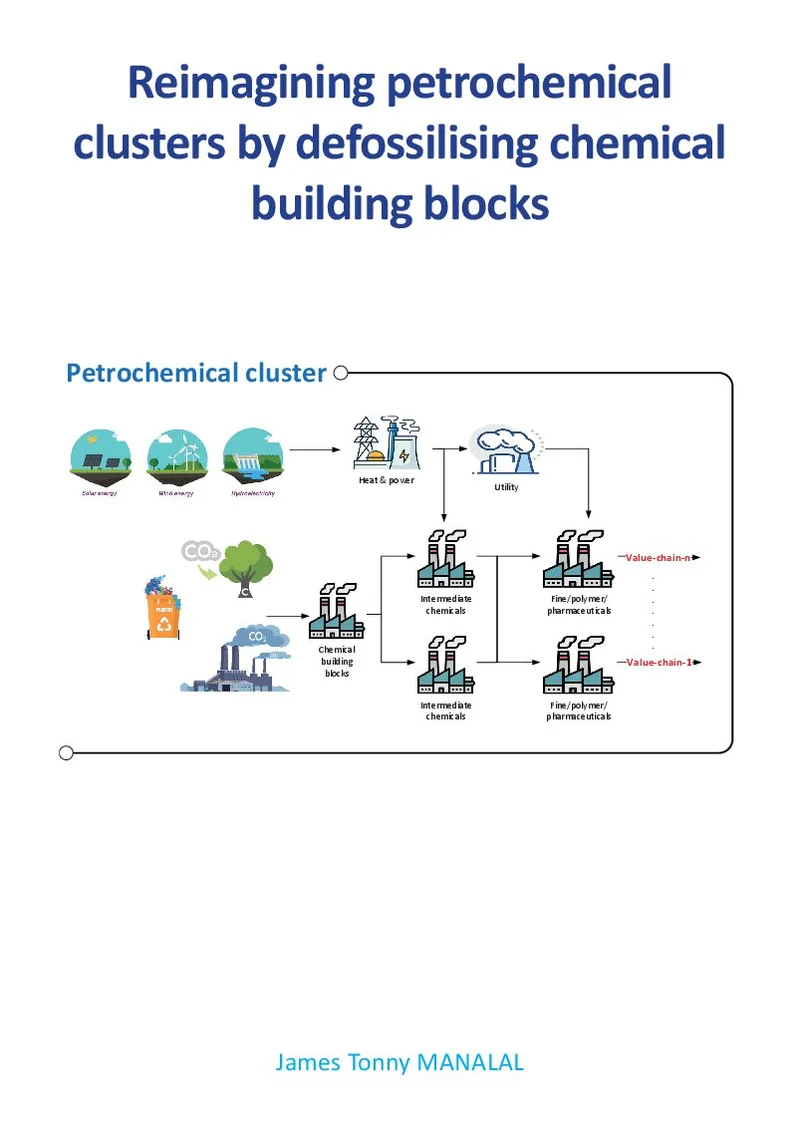
Tonny Manalal
Reimagining petrochemical clusters by defossilising chemical building blocks
18 mei 2026
Overig
Open Ebook

Cora De Gol
Microbial stabilization and protein functionality of plant-based liquids using pulsed electric fields
17 juni 2026
Wageningen University
Open Ebook
We print for the following universities