Stefan Dan Zaharie


New insights in the pathogenesis of chronic granulomatous inflammation in neurotuberculosis
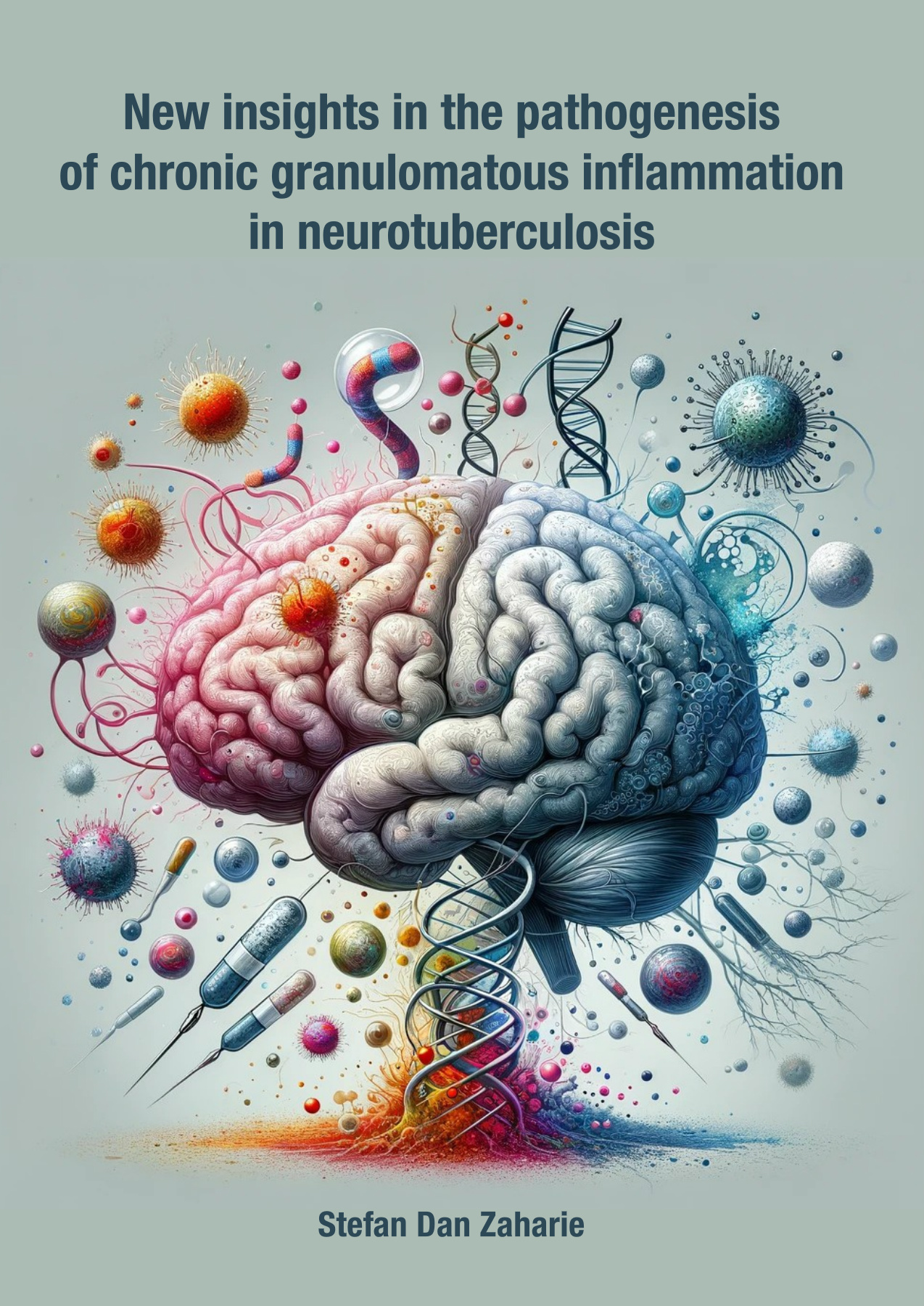
Tuberculosis is a devastating disease worldwide, and a major health issue, affecting millions of people. Considered primarily a pulmonary disease, TB can involve every system and organ in the human body. The most severe form of extra-pulmonary TB is neurotuberculosis - especially TB meningitis, which occurs in 1% of all patients with active TB. Despite all the recent advances in the pathology, pathogenesis, diagnosis, and treatment of neurotuberculosis, there are still major knowledge gaps in this field. The present study attempts to close some of the gaps in TB meningitis research as reported by the National Institute of Health tuberculous meningitis writing group [1]. It is mentioned in the above paper, that there is a lack of knowledge of immunopathogenesis in neurotuberculosis and the need for post-mortem studies in humans. This human neuropathological retrospective study involved a unique group of infants, children, and adults, diagnosed with neurotuberculosis between 1975 and 2012 at Tygerberg Hospital, Cape Town South Africa. We have examined histopathological post-mortem material from 84 patients and histopathological surgical materials from 24 living patients. In chapters 2 and 3 we have addressed the pathogenesis of neurotuberculosis and we have challenged the old Rich focus theory in TB meningitis. Through meticulous serial histological sections of the tissue, we have concluded that the granulomatous inflammation in neurotuberculosis always starts in the leptomeninges and not in the subpial cortex as previously described. In the same chapters we have examined through immunohistochemical methods, the innate and adaptive immune system, and the cytokines profile and distribution in granulomatous inflammation in TBM. We concluded chapter 3 with a three-dimensional (3D), mathematical model of TB granuloma with all its components, emphasizing especially the process of neovascularization. In chapter 4, we have demonstrated the importance of tryptophan and tryptophan metabolites (kynurenine pathway) in the formation and development of TB granulomas, with a special emphasis on the two tryptophan-catabolizing enzymes - indoleamine 2, 3 dioxygenase 1 and 2 (IDO1 and IDO2) and their immune modulatory role. Chapter 5 is dedicated to a very important component of the innate immunity in TB meningitis: the macrophage/monocyte/microglial system, and we have shown that the resident brain microglia do not participate in the formation of granulomatous inflammation in neurotuberculosis. Chapter 6 addresses the bacterial genotyping in CNS tuberculosis in South Africa, and we have demonstrated that M.tub lineage 4 (Euro-American lineage) is the most commonly detected lineage followed by genetic heterogeneity (lineage 4 and non-lineage 4 mixed) and lastly lineage 2 (Beijing strain), paralleling the worldwide distribution. In chapter 7, we have emphasized the need for additional therapeutic agents, such as immuno-modulators, besides the classical anti-tubercular therapy and corticosteroids, in mitigating the deleterious effect of a hyper-reactive immune response in neurotuberculosis, with specific emphasis on thalidomide. We have performed this study, as mentioned above on the brains of those unfortunate victims of this dreadful medical condition, and we are very much indebted to them and their families. Through unlocking the mysteries of neurotuberculosis, with the steadfast belief that through our continued research and collective resolve, we shall pave the way for a future where the disease no longer claims lives, but instead becomes a testament to human resilience and medical advancement.
| Publicatiedatum | 18 september 2024 |
| Universiteit | Vrije Universiteit Amsterdam |
| Auteur | Stefan Dan Zaharie |
| Order nummer | FTP-202604100803 |
| ISBN nummer | 978-94-6510-040-1 |