Share this project

Evelien Sandberg
Universiteit Leiden
Publication date: 25 april 2018
University: Universiteit Leiden
ISBN: 978-94-6295-859-3
Best practices in minimally invasive gynecology
Summary
Over the past decades, minimally invasive surgery (MIS) has been widely implemented in the field of gynecology. Compared with open surgery, MIS is associated with relevant advantages such as decreased postoperative pain, shorter hospital stay and reduced number of (wound) infections. Because of these advantages, the MIS approach is nowadays often considered as the self-evident technique of many surgical procedures.
However, as this surgical technique was introduced so rapidly, it is probable that surgeons have developed policies based on their own expert opinion, resulting most probably in medical practice variation between hospitals and/or surgeons. In a time period of increasing transparency and strive for standardization, these expert-based medical practices should be addressed and sufficient scientific support for medical management should be provided. In this thesis, we concentrated on clinically relevant topics within the field of minimally invasive gynecology and formulated best practices for these issues.
Firstly, we focused on laparoscopic hysterectomy (LH), a complex MIS procedure in gynecology. The ultimate goal was to cover all (technical) aspects of LH and to standardize the steps of this procedure. As such, we developed, in collaboration with the Dutch Society of Endoscopic Surgery (WGE), an evidence-based guideline providing insight into best practices for LH. To assess the quality of the available evidence, the GRADE method was used. In chapter 2 a of the guideline is provided. A considerable finding during the development of the guideline was the fact that the quality of the available evidence was frequently graded as low or very low. This was partly attributed to the limited available evidence but, interestingly, we also discovered that the GRADE method itself has several important limitations. It even seems that the GRADE method is not an appropriate tool to assess the quality of surgical outcomes. This insight was essential to consider in chapter 2 when formulating recommendations for LH. With the development of the guideline of LH, we got insight into clinical relevant topics with insufficient evidence. In this thesis, we performed further research on some of these issues (chapter 3 to chapter 7).
In chapter 3, we focused on the best surgical approach for hysterectomy, which has been a matter of debate ever since LH was introduced. According to the Cochrane review, vaginal hysterectomy (VH) should be, when feasible, the first choice of approach. Though, looking at current trends in practice, the rate of performed LH often surpasses the rate of VH. As a result, we compared in chapter 3 these two procedures, based on up to date literature and with the inclusion of cohort studies in addition to randomized controlled trials. Our findings demonstrated that the differences between LH and VH have become minimal over time but that VH still offers more relevant benefits and should remain the surgery of first choice for benign hysterectomy. In chapter 4, a similar systematic review was performed where we analyzed the benefits of laparoendoscopic single site surgery (LESS) over LH. Although our findings showed that the LESS technique is feasible, safe and equally effective compared to the conventional approach, no clinically relevant advantages were identified. As a result, there are at the moment insufficient valid arguments to broadly implement LESS approach.
In chapter 5, we focused on the utility of cystoscopy after LH. We retrospectively analyzed a cohort of 1982 patients who had undergone a hysterectomy with or without cystoscopy at the end of the surgery. Of the observed urinary tract injuries, none had been detected by direct cystoscopy. However, most injuries were thermal and consequently could never have been discovered during surgery. As a result, we recommend selective instead of standard use of cystoscopy after LH.
In chapter 6 and 7, we evaluated post-operative indwelling catheter management. In chapter 6, we demonstrated that most Dutch hospitals (78%) removed the urinary catheter one day after surgery, despite the lack of scientific support for this regimen. In addition, the results of a nurse survey revealed that 78% of the nurses would recommend direct removal to a family member or friend. In chapter 7, the results of a non-inferior randomized controlled trial are presented that compares direct catheter removal after LH to delayed removal. A higher rate of bladder retention was observed after direct catheter removal (13% versus 0%). Though, direct removal had other advantages, such as a lower risk of urinary tract infection and a faster postoperative mobilization. As a result, direct catheter removal after LH is recommended as the advantages outweigh the risk of bladder retention.
In the second part of the thesis, we concentrated on laparoscopic myomectomy (LM) (chapter 8 to chapter 10). In chapter 8, we performed peritoneal washings after abdominal myomectomy and demonstrated that even after these open procedures, micro-spillage of tissue in the abdomen occurs. This finding shed new light in the current debate regarding the use of contained tissue extraction during MIS. Although the clinical relevance of tissue dissemination at microscopic level is not yet clear, it is questionable if contained tissue extraction is for myomectomy safe at all from oncological point of view.
In chapter 9, we studied the risk factors associated with conversion to open procedure in LM, based on a cohort of 966 patients. We observed that myomectomy with fibroids weighing more than 500 grams are associated with an increased risk of conversion (0.5% to 4.2%). These cases should be preferably referred to skilled surgeons in expert-centers.
Besides myomectomy, a wide range of uterine-sparing treatment options have become nowadays available for women desiring uterine preservation. In chapter 10, the relative efficacy of these different techniques was evaluated in a meta-analysis by comparing long term re-intervention risks and quality of life after treatment. Although it often seems that the newest technique must be associated with the best results, we demonstrated that re-intervention risk after High Intensity Focused Ultrasound (HIFU) is not necessarily encouraging. All surgeons using these newest techniques should urgently collect long term data as these are currently lacking, even though all these techniques have been FDA approved.
In the final part of the thesis, aspects of MIS were evaluated from patient’s perspectives. With the reduced length of stay associated with MIS procedures, it can be challenging to maintaining vigilance in the post-operative period where no direct medical surveillance is available. In chapter 11, recommendations are provided to optimize postoperative recovery. Additionally, to determine care that is being judged as substandard by patients, we performed in chapter 12 an analysis of the medical claims for the field of MIS in gynecology. Delay in recognizing a postoperative adverse event was the most encountered reason for granting financial compensation in litigation cases.
With this thesis, clinical relevant issues within the field of minimally invasive gynecology were identified and best practices were formulated. As the MIS techniques further evolve, new challenges will inherently be faced. It is therefore essential to keep evaluating the clinical outcomes of (new) surgical techniques. Over the last 30 years, the principles of evidence-based medicine have served as guidance for that purpose. However, these principles, including for example the GRADE approach, need to be critically assessed as well. In chapter 13, the drawbacks of evidence-based medicine are discussed and suggestions are made. Firstly, we recommend to only study outcome measures that are directly relevant for the patients and not to concentrate on clinically irrelevant statistics. Secondly, data should be collected at a national level to allow for proper evaluation of the provided care. In that light, randomized controlled trials should not be the only focus. Finally, the expertise of the doctor and the preferences of the patient should be much more taken into consideration than they have been over the past decennia. In conclusion, to formulate best practices, i.e. to provide the highest quality of care, a permanent dialogue between the individual patient and his/her doctor is essential, in combination with the support of relevant evidence-based data. Interestingly, this is exactly in accordance with the first definition of evidence-based medicine formulated thirty years ago.
See also these dissertations


Toby van Gastelen
Structure-Preserving Data-Driven Methods for Modeling Turbulent Flows
19 mei 2026
TU Eindhoven
Open Ebook
Ton Winkelmolen
Molecular insights into the role of VRS5 in tillering and lateral spikelet development in barley
12 juni 2026
Wageningen University
Open Ebook
Selcuk Peker
Gamma Knife Radiosurgery for Skull Base Tumors
10 juni 2026
Universiteit Maastricht
Open Ebook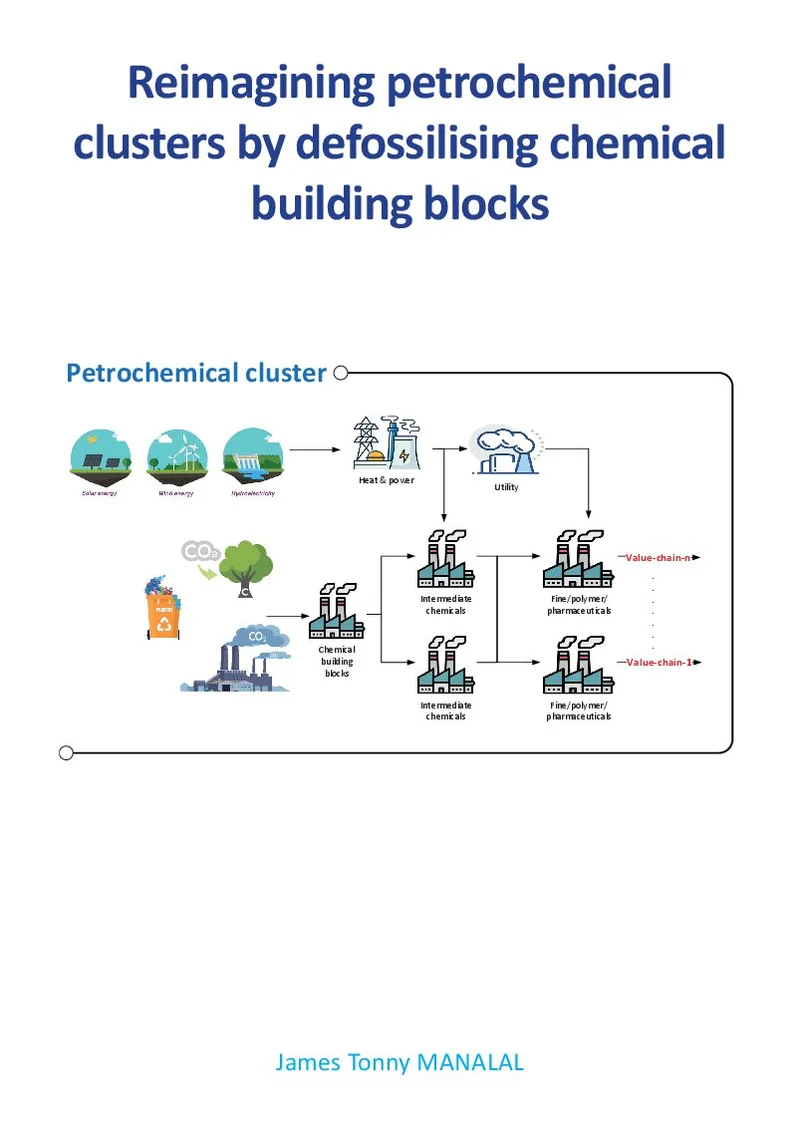
Tonny Manalal
Reimagining petrochemical clusters by defossilising chemical building blocks
18 mei 2026
Overig
Open Ebook



Cora De Gol
Microbial stabilization and protein functionality of plant-based liquids using pulsed electric fields
17 juni 2026
Wageningen University
Open Ebook
We print for the following universities