Share this project

Rebecca Steenaard
Universiteit Maastricht
Publication date: 10 september 2026
University: Universiteit Maastricht
ISBN: 978-94-6534-384-6
Quality of life and care in adrenocortical carcinoma
Summary
This thesis focuses on the quality of life and care in patients with the rare cancer adrenocortical carcinoma (ACC). There are still many challenges that clinicians and patients with this disease face.
Part I of this thesis focused on the health-related quality of life (HRQoL) of patients with ACC. To adequately measure HRQoL, you need a questionnaire validated for use in the specific patient group. The disease specific questionnaire ACC-QoL was therefore developed to measure HRQoL in patients with ACC. This was done using a preset methodology consisting of four phases. For phase I, a systematic review was conducted in Chapter 2 to determine what was already known on HRQoL in patients with ACC. The studies on HRQoL in patients with ACC were limited, but did indicate that ACC has a large impact on HRQoL. The HRQoL issues were further investigated in Phase II by conduction focus group interviews, as discussed in Chapter 3. From these interviews it was clear that ACC had a large impact on the HRQoL of all participants. They experiences HRQoL issues in many aspects of their life. In phase III, the relevant HRQoL issues, along with issues identified by healthcare professionals, were transformed into a questionnaire and validated in Chapter 4. The questionnaire needs to be validated in an international cross-cultural validation study in phase IV before it can be used in non-Dutch speaking patients with ACC.
The questionnaire was used in Chapter 4 to determine HRQoL in patients with ACC in the Netherlands. ACC survivors reported a good HRQoL, but slightly lower compared to other cancer survivors. They reported to experience residual fatigue, emotional problems and problems with their sex life. Patients who were recently treated, reported a lower HRQoL and experienced many problems, including fatigue, mitotane side-effects, physical limitations due to surgery, cognitive problems, emotional problems and the lack of peer support. Especially patients on mitotane therapy or recent chemotherapy experienced a lower HRQoL. Notably, patients who received mitotane in the past, report a persistent reduction of HRQoL.
As an illustration of how much ACC can affect HRQoL, Chapter 5 describes the case of a ten-year-old girl with ACC. She was treated with chemotherapy and two years of mitotane after irradical adrenalectomy. She developed an impactful decrease in cognitive development resulting in a significant drop in school performance. Luckily, upon cessation of mitotane, her cognitive development returned back to normal, she could happily go to school and was free from disease. Other studies also described a range of side-effects in young children treated with mitotane with or without chemotherapy. These side-effects appear to be reversible after mitotane discontinuation. This should provide reassurance to parents, patients and physicians in case EDP-mitotane treatment is indicated.
Part II of this thesis focuses on quality of care for patients with ACC. Chapter 6 includes data from the Netherlands Cancer Registry. The incidence of ACC was 1.62 per million person-years and was stable between 1993 and 2020. The five-year survival remained stable over time for stage I-II at 65% and stage III at 35%, while the survival for stage IV increased from 3% to 11% in the last years. Centralization of care has improved since the founding of the Dutch Adrenal Network, which was associated with increased survival. Adrenalectomy and mitotane therapy are associated with increased survival in all stages of disease. Adrenalectomy, surgical control of disease, chemotherapy and mitotane therapy are associated with increased survival in stage IV disease. However, the data showed that only two in every five patients completed mitotane therapy for the predetermined period at an adequate plasma level. The majority of discontinuations and dose reductions was toxicity related. Careful monitoring and treatment of side-effects might help improve HRQoL, prevent early discontinuation and thereby improve survival. The ACC-QoL questionnaire is suitable for this purpose and can be useful in clinical practice.
Another potential issue for improvement is correctly identifying who can benefit from adjuvant mitotane therapy and who can be spared its toxicity. The IGF2 methylation score is a diagnostic tool used to distinct an unclear malignant adrenal tumor from ACC. Chapter 7 shows that this diagnostic tool is unfortunately not valid in formalin-fixed tissue, and therefore not yet widely available in clinical practice.
Chapter 8 discusses that personalized mitotane dosing with a web-based pharmacokinetic model might help to improve mitotane adherence at adequate plasma levels with manageable toxicity. Unfortunately, the current models are not validated for clinical use yet.
See also these dissertations

Tom Anbergen
Translational evaluation of engineered RNA-based cancer immunotherapeutics
27 augustus 2026
Radboud Universiteit
Open Ebook
Sahra Unluturk
Lifelong Impact of Congenital Heart Disease
14 juli 2026
Erasmus Universiteit Rotterdam
Open Ebook

Willy Theel
Prevalence, Risk Factors, and Clinical Implications of MASLD
22 september 2026
Erasmus Universiteit Rotterdam
Open Ebook
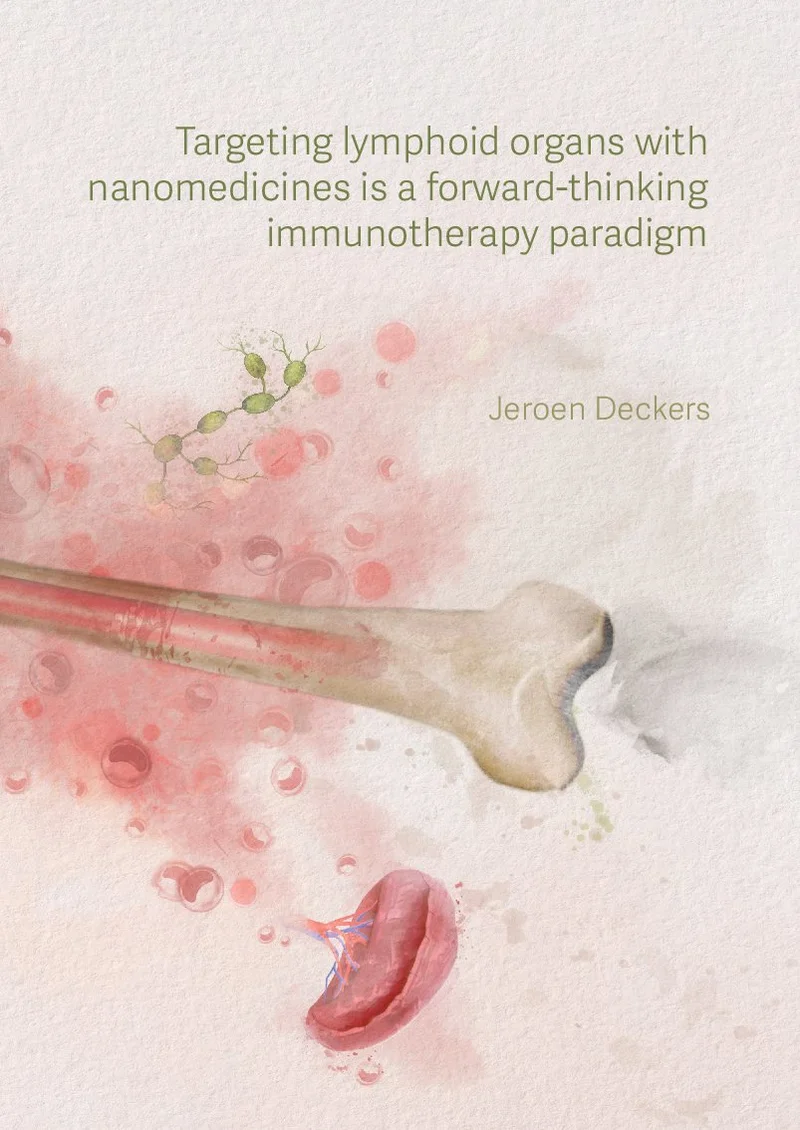
Jeroen Deckers
Targeting lymphoid organs with nanomedicines is a forward-thinking immunotherapy paradigm
3 september 2026
Radboud Universiteit
Open Ebook
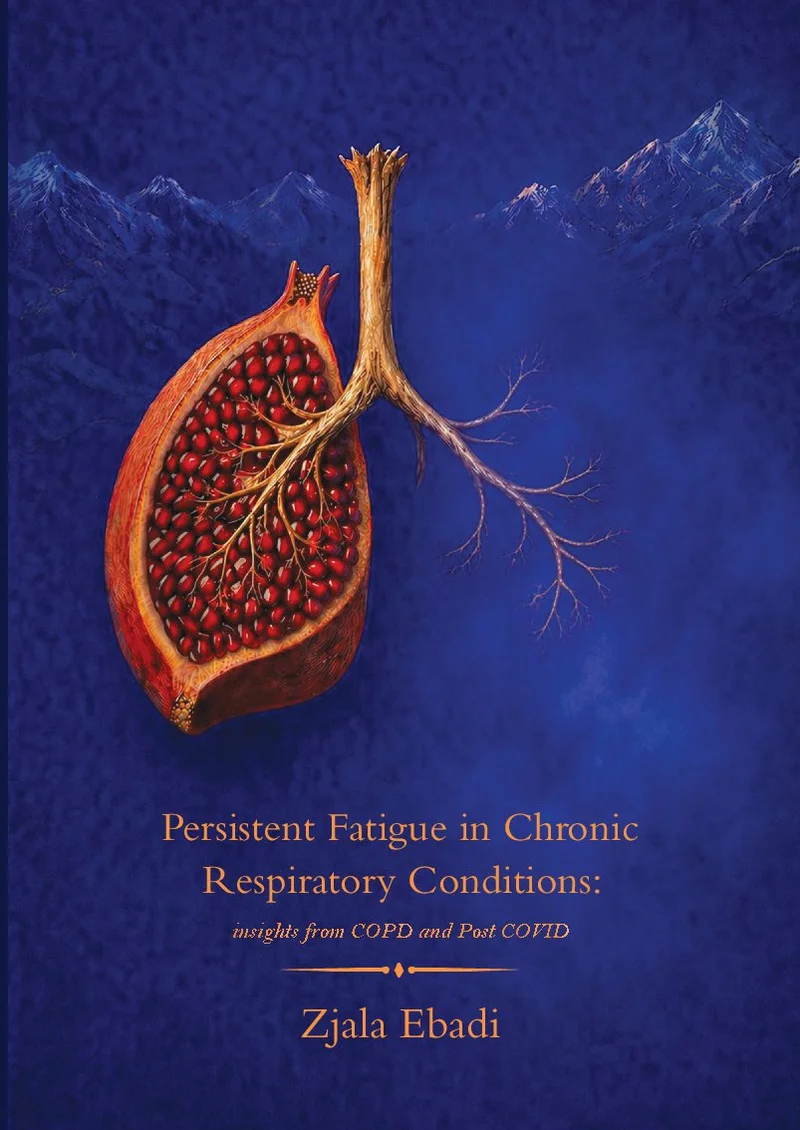
Zjala Ebadi
Persistent Fatigue in Chronic Respiratory Conditions
14 september 2026
Radboud Universiteit
Open EbookWe print for the following universities