Dixit Guleria
Uniaxial Orientation of Polyethylene Films for Recyclable Flexible Packaging
21 mei 2025
TU Eindhoven
Open Ebook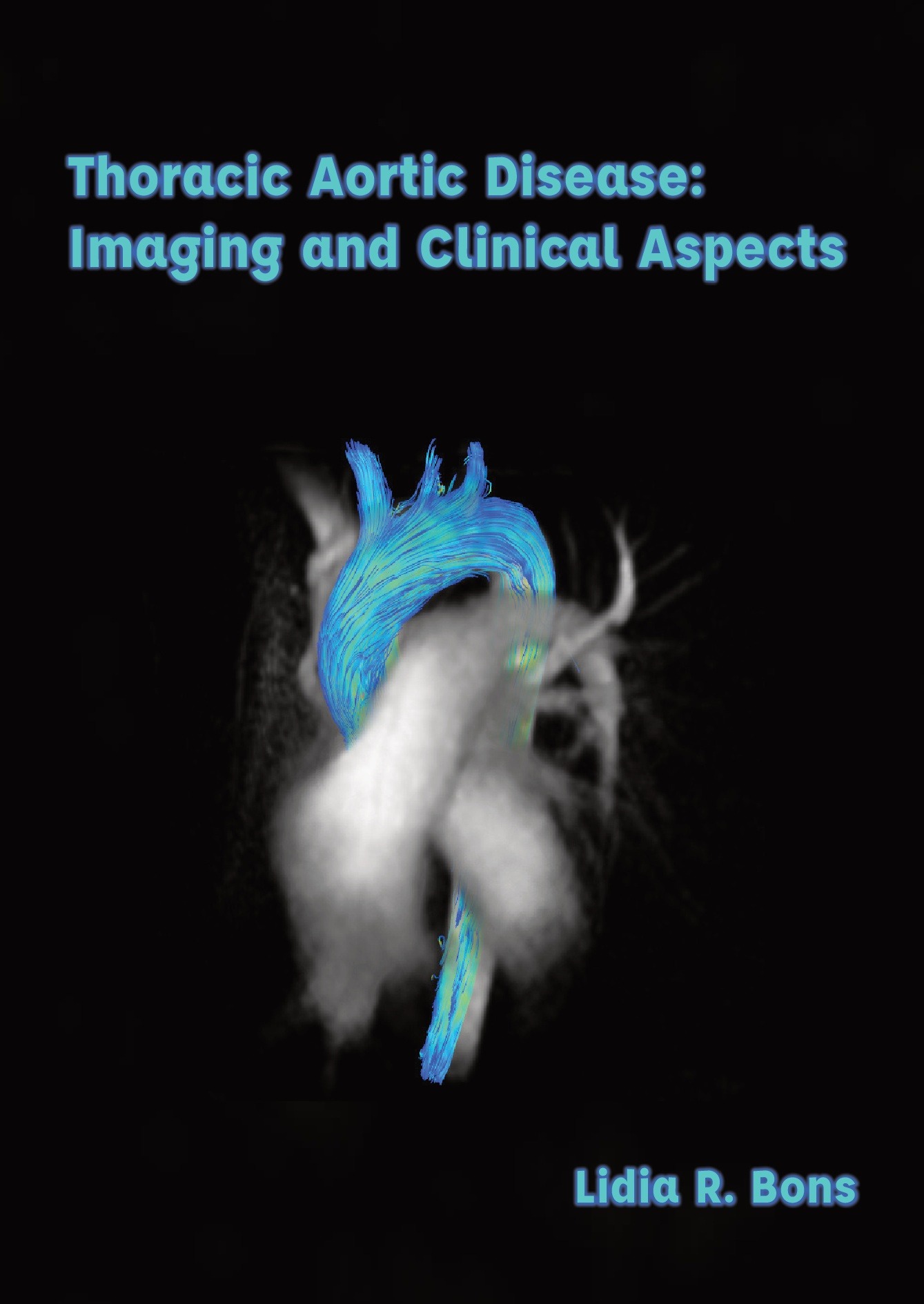
Share this project
Summary
A thoracic aortic aneurysm is often not recognized because of its silent presentation. It is associated with an increased risk of aortic dissection with high mortality and morbidity rates, and therefore early diagnosis of a thoracic aortic aneurysm is important. Recently, more insight into the genetic inheritance was gained. In 20% of patients with a thoracic aortic aneurysm, one or more first-generation relatives have an aortic aneurysm. As a result, screening of thoracic aortic disease in family members is performed more often and an aneurysm of the aorta is more frequently diagnosed. Additionally, the increasing use of advanced imaging techniques, permitted by major technical developments, enables us to diagnose an aortic aneurysm early. Currently imaging is very important in the diagnosis and therapeutic decisions in people with an aortic aneurysm. However, also new diagnostic modalities, such as blood and imaging biomarkers, are necessary to more accurately identify aortic pathology in patients at risk for aortic dissection. Therefore, this thesis focuses on the epidemiology, optimal diagnostic methods and outcome of thoracic aortic disease and studies its impact on living a normal life.
Part 1 - Imaging of the thoracic aorta
In part one we looked at the variability of the aortic measurements on different modalities and the utility of these modalities used for aortic measurements: echocardiography, computed tomography (CT) and magnetic resonance imaging (MRI). In chapter 1 we determined the agreement between modalities and techniques to measure the aortic diameter in 100 patients with bicuspid aortic valve (BAV) and/or Turner syndrome. Measurement techniques differ in timing during the cardiac cycle and whether the aortic wall is included or excluded in the measurements. We concluded that the variability of techniques and modalities can cause large differences in diameter in one patient of up to 11mm for the sinus of Valsalva and sinotubular junction and up to 18 mm for the ascending aorta. Therefore, it is mandatory to use the same protocol each time the aorta is measured in a patient. We suggest using the leading edge-to-leading edge method, because this is most comparable between echo and CT or MRI and to measure during systole, since the aorta is better visualized on echocardiography and the largest diameter is measured. No large variation was found between the “cusp-to-cusp” and the “cusp-to-commissure” method. Based on large differences found between modalities, CTA or MRI should be performed at least once in addition to 2DE for optimal imaging of the entire aorta and to check the reliability of echocardiography in a patient. This is confirmed by the study performed in chapter 2. In a cohort of 349 patient at risk for thoracic aortic disease, visiting our aortic pathology outpatient clinic, we identified the value of transthoracic echocardiography (TTE) in comparison with computed tomography (CT) to detect aortic dilation. It was found that echo underestimates the diameter compared to CT, which may cause false negative results. Sensitivity of TTE for detecting aortic dilation was 61% (sinus of Valsalva) and 57% (ascending aorta) and specificity was 96% (sinus of Valsalva) and 100% (ascending aorta). In addition, we investigated which additional abnormalities of the heart, aorta or smaller arteries were discovered. With echocardiography, valve abnormalities including BAV (5%), ventricular hypertrophy (1%), and ventricular dilation (1%) were relatively rare. Arterial abnormalities described on CT by radiologists were found in 15% of the patients visiting for aortic screening, which increases the diagnostic value of CT as an imaging tool.
Since echocardiography is sonographer dependant, this could result in inter-observer variability in aortic measurements. Therefore, we investigated in chapter 3 the measurement variability due to both the aortic image acquisition and the aortic measurement. In each patient, the image acquisition and subsequent aortic measurement were both performed twice by one sonographer and once by a second sonographer. We found that the aortic diameter measurements differ on average from 0.7 to 1.3 mm between images acquired by the same sonographer and from 1.6 to 1.9 mm between images acquired by different sonographers. One of our major findings was that echocardiographic measurements of aortic diameters show more variation between two observers in larger aortas. As a result, we prefer to use CT and MRI in patients with aortic diameters approaching the threshold for preventive aortic surgery because in general the inter-observer variability for CT and CMR (presented in chapter 1) is slightly lower than for echocardiography. Also we provide several reasons for the large (>5 mm) intra-observer and inter-observer differences between measurements, namely incorrect measurements due to annular calcification, drop-out artefacts, side lobe artefact, differences in frame rate or different cross-sectional cutting planes through the aorta. When a large difference is found between two follow-up echocardiographic aortic measurements in one patient, the physician is advised to re-evaluate the measurements on the first image to see if there are explanations for this large difference.
Another challenge of aortic measurements is that it is very time consuming, because the measurements need to be performed at multiple levels and perpendicular to the vessel. Therefore, an automatic method to measure the aorta, which is presented and validated in chapter 4 for non-ECG-gated, non-contrast CT scans, is valuable for both clinical practice and study purposes. We showed that our automatic method had a high agreement with manual segmentations and we further used it to measure aortic growth in a large cohort, presented in another chapter (chapter 7).
Part II – The thoracic aorta in the general population
To assess the prevalence of aortic dilatation or fast aortic growth, it is necessary to have information on the “normal” aorta in the general population. In a large population-based study, the Rotterdam Study, we measured the aorta at the level of the ascending and descending aorta. Our cohort of the Rotterdam Study consist of approximately 2500 participants aged 55 years or older, which means that we specifically focused on the older population. In chapter 5, we provided sex-specific distributions of thoracic aortic diameter and diameters adjusted for body surface area (BSA). We found that sex was independently associated with descending aortic diameters, which indicates that distribution values should be provided for men and women separately, even when correcting for BSA. Higher diastolic, and not systolic, blood pressure was associated with larger aortic diameters, while systolic blood pressure currently receives the most attention of physicians. We also found a high prevalence (12.1%) of ascending aortic diameters larger than 40 mm in our elderly population, which is often considered as dilated. Only 4 (1.3%) patients with a diameter larger than 40 mm died as a results of an aortic event. This number seems rather low, and raises the question whether a cut-off of 40 mm is an appropriate one. Yet, given the low number of events, this should be confirmed by larger studies. In addition, we used the follow-up data of the Rotterdam Study in chapter 6 to evaluate the independent association between absolute and adjusted ascending and descending aortic (AA and DA) diameters with major cardiovascular outcomes among women and men and to provide optimal cutoff values associated with increased cardiovascular risk. The sex differences were more pronounced for the descending aorta, as this diameter was strongly associated with stroke, heart failure and cardiovascular mortality in women. For both sexes, the risk for several cardiovascular outcomes increased significantly at higher ascending aortic diameters. We concluded that a larger thoracic aortic diameter could be a marker for an increased overall cardiovascular risk, in addition to being known as a risk factor for aortic dissection.
Besides the thoracic aortic diameter, we also looked at thoracic aortic growth in a subgroup of the general population, namely smokers. Since smoking is known to be associated with increased descending aortic diameters and abdominal aortic growth, we investigated whether smokers also show larger thoracic aortic growth rates. In chapter 7 we measured the ascending and descending aortic growth rates in almost 2000 current or former smokers of the Danish lung Cancer Screening Trial. We found a growth rate of approximate 0.1 mm/year, which is comparable to the data available in cross-sectional studies of the general population showing a thoracic aortic growth ranging from 0.08 to 0.17 mm/years. In addition, thoracic aortic growth was comparable between current and ex-smokers and aortic growth was not associated with pack-years. In conclusion, smokers do not show larger aortic growth rates compared to the general population. Since only cross-sectional data was available on thoracic aortic growth in the general population, we were the first to present longitudinal data with 95th percentiles of aortic growth in a subgroup (smokers) of the general population which was found to be 0.42-0.47 mm/year.
Part III – The thoracic aorta in specific diseases
In part III of this thesis we have looked in more detail at the following specific diseases associated with thoracic aortic pathology: bicuspid aortic valve, Turner syndrome and aneurysm-osteoarthritis syndrome.
In patients with BAV, we determined the annulus dimension changes during the cardiac cycle, presented in chapter 8. We concluded that the aortic annulus of BAV patients undergoes significant changes in shape during the cardiac cycle with a wider area in systole and a more elliptic conformation in diastole. Therefore, it is recommended that measurements of the annulus before transcatheter aortic valve implantation (TAVI) are performed in early systole to avoid underestimation of the annulus dimensions.
In chapter 9 we investigated four potential biomarkers for disease progression in patients with BAV. We found that NT-proBNP is associated with more severe aortic valve stenosis and regurgitation and hsTnT is associated with more severe aortic valve regurgitation. With this study we identified biomarkers associated with disease progression, which is the first step towards the development of a biomarker that can be used in prognostic staging and risk prediction.
In Turner women, information about the relation between aortic diameters and clinical outcome was scarce. Therefore, we evaluated the prevalence of aortic dilatation, the growth rate of the aorta and the risk of aortic complications in adults with Turner syndrome. This is described in chapter 10. We showed that aortic dilatation was present in 22% of the patients and the aortic growth was on average 0.20 mm/year, which is limited but slightly larger than the general population. Although aortic pathology is common in Turner patients, we found that aortic dissection and preventive aortic surgery only occurred in 2% during a follow-up of 7 years. Nevertheless, it is still more prevalent than in the general population and new tools, such as aortic elasticity measurements, to identify patients at risk would be helpful.
Therefore, we further investigated aortic elasticity in 52 Turner patients measured by pulse wave velocity (PWV) on echocardiography and MRI and aortic distensibility on MRI. In chapter 11, we concluded that the aortic elasticity of the aortic arch was reduced in patients with Turner compared to healthy controls independently of the presence of aortic dilatation, BAV or aortic coarctation. Histopathological data of 5 patients who went for preventive surgery due to aortic dilatation showed changes in the ascending aortic wall. We found compact smooth muscle cell layers and a decrease in the intralamellar space, with granular deposition of elastin and diminished or absent expression of contractile proteins, which might be specific changes in the aortic wall of patients with Turner syndrome.
Besides Turner syndrome, we also looked at long-term outcome in 28 patients with aneurysm-osteoarthiritis syndrome (AOS) in chapter 12. The fastest aortic growth rate (0.4 mm/y) was observed at the level of the sino-tubular junction. In 64% (18 of 28) of the patients at least 1 cardiovascular intervention was performed. However, no death was observed during follow-up, probably due to the intensive management and preventive surgery at relatively mild dilatation of the aorta. With this study, we provided evidence that SMAD3 mutations cause an aggressive form of aortic or arterial dilatation, warranting vigilant follow-up and that this follow-up seems helpful in preventing complications.
This risk of life-threatening dilatation and dissection of the aorta or arteries, together with physical symptoms and experiences of family members with frightening events, can cause reduced quality of life, anxiety and depression. In chapter 13, we therefore describe this subjective quality of life and investigated the presence of anxiety and depression in 28 AOS patients. As expected, AOS patients reported reduced quality of life in comparison with the general population on several domains of the SF-36 questionnaire. In addition, patients with AOS scored significantly higher on the depression scale. Also, we found that patients’ worries for their future and heredity of their disease are important factors for anxiety, which should be addressed in clinical practice.
Part IV - Aortic disease with regard to sport and pregnancy
Two situations that are very important in patients with aortic pathology are pregnancy and exercise. Both conditions are known to cause increased pressure on the aortic wall and therefore might be dangerous in these patients. In chapter 14, we reviewed the current literature on pregnancy in patients with aortic disease. Besides hemodynamic changes during pregnancy, hormonal and thromboembolic changes are also described. The key management of women with aortic dilatation, contemplating pregnancy, consists of pre-pregnancy counseling after imaging of the entire aorta and preventive treatment when indicated. Regarding the fact that not much is known about aortic interventions in pregnant women, only centers with experienced teams and expertise in pregnancy and heart disease should guide these high-risk women and should carry out surgical and catheter-based procedures when needed.
Chapter 15 provides an up-to-date systematic review of the available literature on risks and benefits of exercise and sports participation in thoracic aortic disease patients. It seems that the larger aortic diameter in athletes is primarily caused by the larger body size. The anxiety for aortic dissection during sports is mainly based on case reports and the high mortality rates of aortic dissection in general. However, there is no longitudinal data about the risk of aortic dissection due to exercise in patients with aortic dilatation. In conclusion, there is currently no unequivocal evidence to support discouragement of exercise and sports participation in patients with thoracic aortic disease. Hence, mild to moderate regular exercise should be encouraged, for its known positive effects on overall health. However, based on the theoretical physiological impact of heavy static exercise on the aorta and a lack of data supporting that this kind of exercise is safe in patients with aortic dilatation, participation in heavy static exercise should likely be avoided in TAD patients.
General discussion and future directions
How to measure the thoracic aorta?
Various techniques are used to measure the aorta, but it is mandatory to use the same protocol each time the aorta is measured in a patient. Based on this thesis, we suggest to use the leading edge-to-leading edge method, because this is most comparable between echo and CT or MRI. Also we suggest to measure during systole, since the aorta is better visualized on echocardiography and the largest diameter is measured. Our advice to 1, 2 measure during systole is contrary to the guidelines, which advice to measure during diastole. The reasons they mention to measure the aorta during diastole are (1) the more stable aortic pressure in late diastole which increase reproducibility and (2) the ease of identification of end-diastole by the onset of the QRS complex. However, the argument about greater reproducibility has never been supported by evidence and the moment of systole can be easily identified as well. Future research should investigate the influence of varying aortic pressures on aortic diameter measurements during systole. Also more