Dixit Guleria
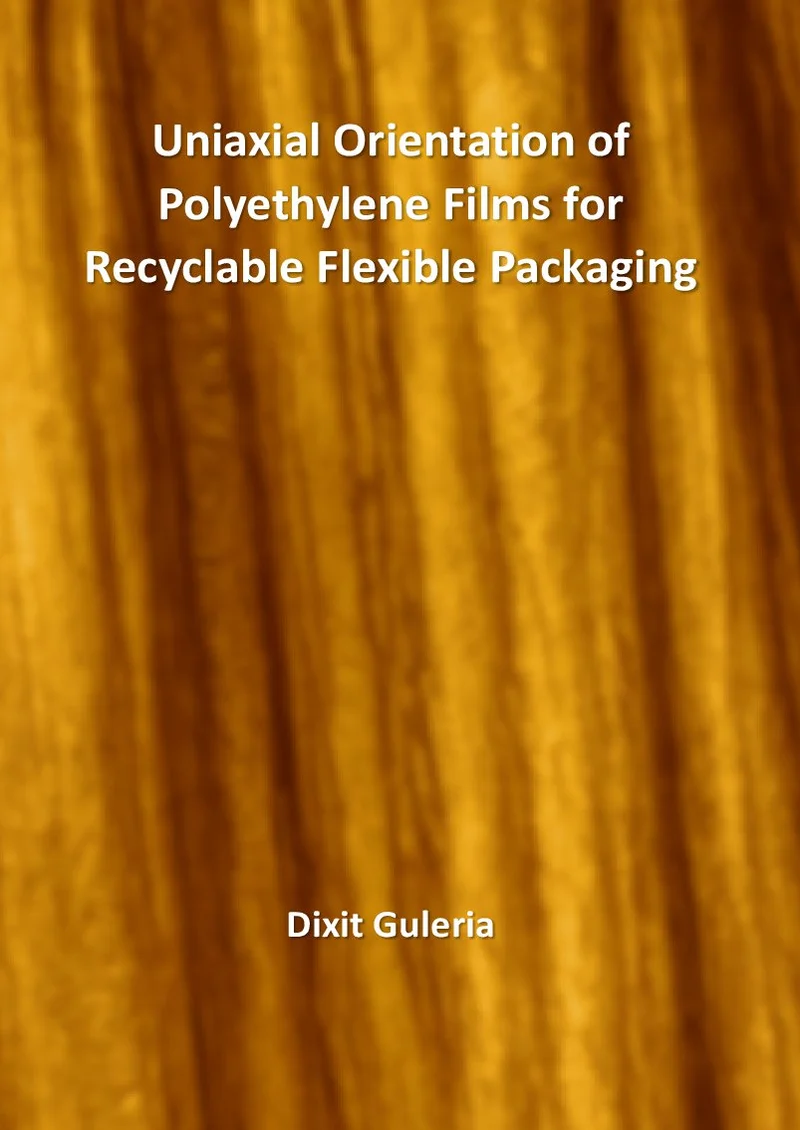
Uniaxial Orientation of Polyethylene Films for Recyclable Flexible Packaging
21 mei 2025
TU Eindhoven
Open Ebook
Share this project
Summary
In plastic and reconstructive surgery many surgical procedures have been developed to restore form and/or function. Autologous fat transfer (AFT), in which adipose tissue is relocated from one place to the other is a recent example that is safe and versatile. An important aspect in the final outcome for the patient is the state of the local microenvironment in the regenerating tissue. However great the surgeon or surgical technique may be, they have no direct way of modifying the local microenvironment to promote healing. Great potential herein lies with the use of (adult) stem cells. This thesis investigated the effect of stem cells on two important cellular processes, occurring after (surgical) tissue trauma: inflammation and angiogenesis. Ideally we would have a technique to directly “activate” tissue resident stem cells and guide them towards promoting angiogenesis or modulating inflammation. A technique called electrical stimulation is promising in this area.
Chapter 2. Efficacy and safety of autologous fat transfer in facial reconstructive surgery: a systematic review and meta-analysis.
In chapter 2, we focused specifically on AFT through analysis of the efficacy and safety of performing AFT in plastic surgery. We compiled the available clinical data from 52 relevant studies consisting of 1568 unique patients in a systematic review and meta-analysis. It showed a very high overall satisfaction rate of 91.1% in patients, together with a 88.6% satisfaction rate in surgeons. In facial reconstructive surgery the mean number of sessions to achieve the desired end result was 1.5, with a retention rate of 50-60% of the grafted material. Less than 5% of the procedures resulted in minor complications, deeming it a safe procedure.
apparent cause.
In chapter 3, we tested in a clinical trial whether patients in a chronic neuropathic pain setting without a cause such as a neuroma, and who had exhausted all other treatment options, would benefit from AFT with respect to their pain perception. Fourteen patients received AFT in the area of the affected nerve. Outcome parameters included patient satisfaction, pain scored on a visual analogue scale (VAS) and quality of sleep. Patient satisfaction was 93% at the follow-up after two weeks and 86% after a follow-up of more than one year. The mean VAS score decreased significantly from 7.4 before surgery to 3.8 directly after AFT and 4.3 at long-term follow-up visit. The quality of sleep improved in 50% of the patients, whereas the remainder indicated no difference. No complications were registered. This study shows that AFT can be a suitable option for patients suffering from debilitating neuropathic pain that is refractory to other treatments. A potential mechanism of action lies in the regenerative capabilities of cells within the transplant.
Chapter 4. Standardized human bone marrow-derived stem cells infusion improves survival and recovery in a rat model of spinal cord injury.
In chapter 4, we set out to investigate the immunomodulatory properties of a refined bone-marrow derived preparation of mesenchymal and hematopoietic stem cells in an acute model of spinal cord injury. Our focus lay towards researching the anti-inflammatory properties and the effect on nerve regeneration in the context of improved functional outcome. To this end T-cell deficient rats, in which a spinal cord lesion (SCI) was induced by balloon-compression of the spinal cord, received an intrathecal injection of bone marrow-derived stem cells (called Neuro-Cells; NC) the day after SCI. During the first 5 weeks after this intervention, NC significantly improved locomotor recovery and induced less injury-associated adverse events compared to the vehicle-treated control group. Histological analyses showed that NC reduced astrogliosis and apoptosis primarily in the first days after administration. Proteomic studies of the sampled spinal cords at the study endpoint (56 days) pointed to the release of paracrine factors and identified proteins involved in regenerative processes.
transplantation on angiogenesis in a rat model with hind limb ischemia.
In chapter 5, we surgically ligated the external iliac artery of T-cell deficient rats to develop a hind limb ischemia model. The surgical ligation of arterial blood vessels lead to an acute-onset moderate to severe traumatic ischemia in the affected hind limbs. After 7 days a baseline digital subtraction angiography (DSA) was made. Then, different doses of human bone marrow-derived stem cells, or vehicle alone were administered intramuscularly and intra-arterially. At day 35, DSA was repeated and images were compared between the groups at the different time points to directly visualize the angiogenic effects of the administered stem cells. Comparison of DSA Mean Gray Values at day 35 versus day 7 showed a significant increase in the low and medium dose groups, pointing towards improved vascularization, whereas the vehicle group displayed a natural decrease. Surprisingly, the high dose stem cell group also had a decreased Mean Gray Value at day 35 and more tissue damage, possibly due to hyperviscosity. A dose response could not be detected.
Chapter 6. Electrical stimulation promotes the angiogenic potential of adipose-derived stem cells.
In chapter 6, we electrically stimulated adipose tissue-derived stem cells (ASC) in vitro to determine the effects of electrical stimulation (ES) on the angiogenic potential of ASC. Cultured human ASC were electrically stimulated for 72 hours after which the medium of stimulated (ES) and non-stimulated (control) ASC was analyzed for angiogenesis-related proteins by protein array and ELISA. Nine angiogenesis-related proteins were detected in the medium of electrically stimulated ASC. The pro-angiogenic proteins VEGF and MCP-1 were significantly increased following ES compared to controls, while the anti-angiogenic factor Serpin E1/PAI-1 was significantly decreased. Despite increased levels of anti-angiogenic TSP-1 and TIMP-1, medium of ES-treated ASC significantly increased vessel density, total vessel network length and branching points in a functional in vivo model of angiogenesis, called a chorio-allantoic membrane assay. This proof-of-concept study showed that ES increased the angiogenic potential of ASC both in vitro and in vivo and lays the foundation for further translational studies.
The general discussion reflects on the findings of the individual studies included in this thesis, starting with autologous fat transfer. Next chapters 4 through 6 were discussed in light of the topics immunomodulation and angiogenesis. Gaps in current knowledge are identified and proposals for future studies are provided.