Share this project
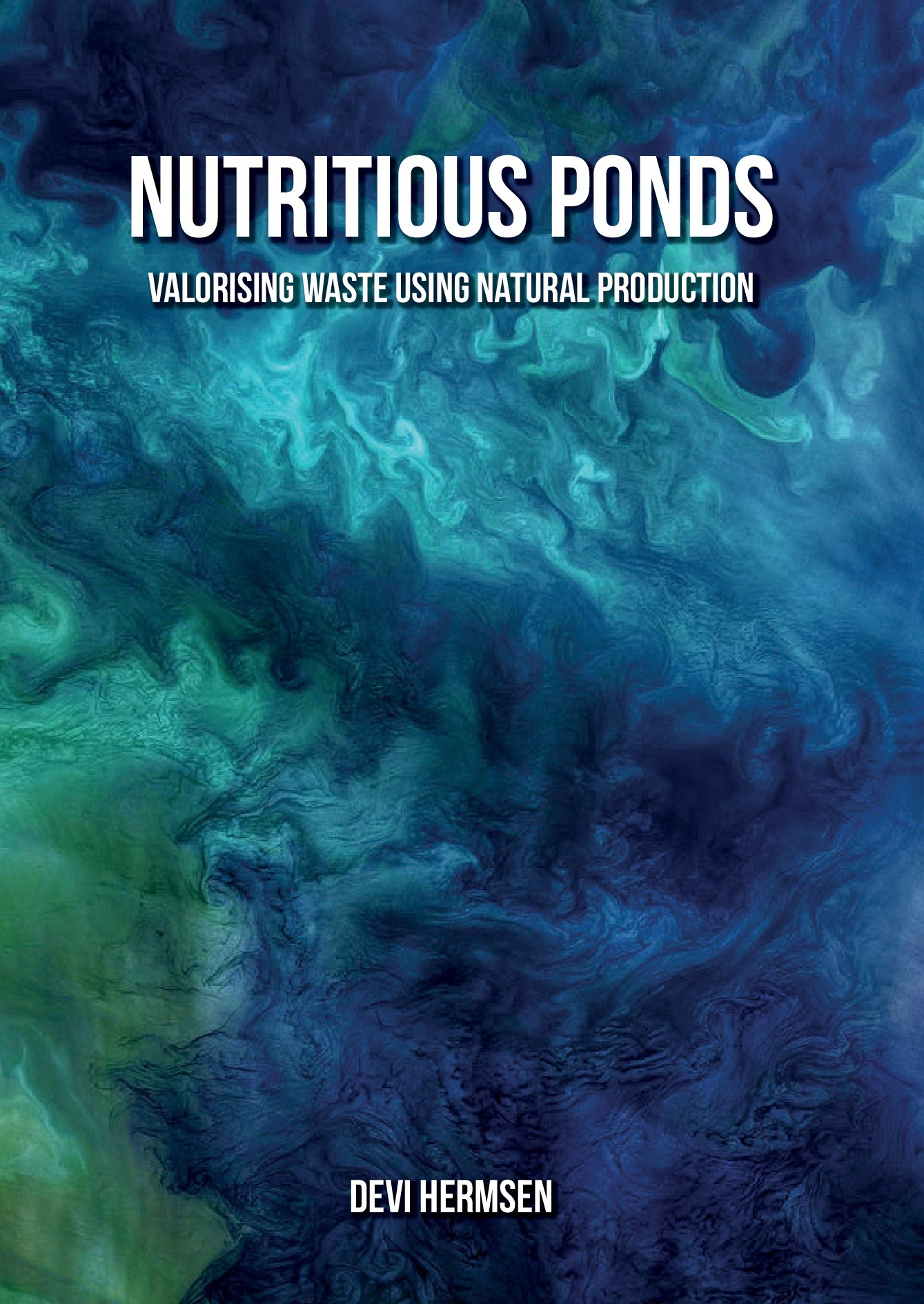
Devi Hermsen1
Wageningen University
Publication date: 21 april 2020
University: Wageningen University
ISBN: 978-94-6395-297-2
Nutritious Ponds
Summary
These days understanding and predicting the impact of anthropogenic climate change caused by greenhouse gas emissions (rising temperatures and acidification of oceans), and exploitation of natural resources (overexploitation and waste production) on ecosystem dynamics is a major issue. With the world population still increasing, there is a demand to produce more food, which impinges with the wish to reduce waste output and carbon footprint and lower the use of limited resources. Aquaculture has the potential to increase production by intensification, but to do so, the sector is facing major sustainability challenges. Two major issues hindering sustainable intensification are waste residues in pond culture water, and the use of capture fisheries derived fishmeal and fish oil in aquaculture diets as source of highly unsaturated omega-3 fatty acids (HUFA).
This thesis explored the potential of developing the “nutritious pond concept”. In such a production system, shrimp (or fish) production is made more ecological while maintaining current high production levels. In nutritious ponds, the focus should shift from feeding the shrimp, to feeding the whole pond. Using this approach, a well-balanced food web develops that provides additional natural food containing energy, protein and HUFA to be used by the culture species. This food web is stimulated by carefully formulated pond feed. The food web will provide supplementary nutrients produced de novo in the pond, and in the same time acts as a natural biofilter making nutrient turnover rates, from waste into natural food, more efficient while reducing waste output.
This thesis aimed to provide insight in the actual contribution of HUFA and protein by primary production to whiteleg shrimp (Litopenaeus vannamei) production in mesocosms. It was hypothesized that shrimp feed could be partly replaced by cheaper fertilizers without compromising on production levels, shifting from direct to indirect shrimp feeding while keeping the input ratio between carbon and nitrogen (C:N) similar. It was hypothesized that shrimp acquire HUFA and protein directly from the food web, enabling to lower dietary inclusion levels of fishmeal and fish oil. Following ecology literature, it was hypothesized that by lowering the total phosphorous input to the pond, natural food would contain more HUFA. It was thought that as a result of the altered stoichiometry of the input (increased C:P), the food web structure and nutritional content could be altered, possibly leading to shrimp eating more natural food. All experiments were carried out in mesocosms, mimicking tropical semi-intensive shrimp ponds allowing primary production.
In chapter 2, the contribution of HUFA from dietary fish oil and fishmeal, and the natural food web on shrimp production was determined. Fatty acid mass balances were computed to distinguish between formulated diet-based and primary production-based HUFA contribution. Absence of both fish oil and fishmeal in the formulated diet did not reduce shrimp production in mesocosms. However, shrimp fed diets lacking fish oil and fishmeal contained only half of the HUFA compared to control shrimp. In both dietary treatment groups, large dietary quantitative losses of the precursors ALA and LA were observed that were being used as energy source instead of HUFA synthesis. Whereas losses were also observed for EPA and DHA in the control group, there was a remarkable gain for these components in shrimp fed diets free of fish oil and fishmeal. Shrimp acquired at least 32 % of their EPA and 6 % of their DHA content from the algal-based food web. These findings strongly suggested that the pond’s natural food web (primary production) produced HUFA that can support shrimp production, but this required further research.
In chapter 3, the in situ produced HUFA was quantified per food web compartment. Seston was found to contain the highest HUFA content in the mesocosm, while biofloc dominated in terms of biomass. The total HUFA production in the mesocosms was a more than 600 % increase compared to the minimal HUFA-input in the tanks receiving HUFA-deficient diets, pinpointing de novo in situ production. Most of the formulated feed input resulted in organic matter biomass accumulation other than shrimp, as shrimp only retained 12 % of the organic matter input. This showed that the system as a whole is quite efficient in converting nutrient input into different food web compartment, but shrimp production alone is quite inefficient. With shrimp harvesting, only 25 – 27 % of the total mesocosm HUFA content is removed from the system. The majority of the nutrients, including de novo produced HUFA, remained in the food web. This exposed a major challenge on finding ways to reclaim those nutrients from the system in a more efficient way.
This challenge was reinforced by the outcomes in chapter 4, focussing on nitrogen (protein), showing large amounts of the total mesocosm N content could be found in food web compartments other than shrimp. Lowering the feed:fertilizer ratio of the mesocosm input by replacing 50 % of the formulated feed with carbon and nitrogen fertilizers, thus meaning reducing crude protein input by half, lead to a 48 % increase of food web protein contribution to shrimp protein content. Total natural food protein contribution was estimated at 74 %. Feed conversion ratio was below 1.0 in all treatments and decreased with decreasing feed:fertilizer ratio down to 0.48. The nitrogen-to-protein conversion factor of flocculated matter in the water column was determined and found to be 7.31, higher than expected. Estimating food web protein contents using this factor, showed that a similar equivalent of protein as in shrimp, was accumulated in biofloc and periphyton combined, that remained unused in the system after shrimp harvest. Finding ways to better use this protein (nitrogen) in the food web, would allow for reducing crude protein content in the formulated diet. Lowering phosphorous input to the system with 50 %, had no effect on HUFA content of the food web and increased shrimp phosphorous retention from 16 to 34 %.
Replacing up to 50 % of the feed input with carbohydrate and inorganic nitrogen that was directly accessible to the pond’s microbiota, did not result in differences in nutrient distribution and C:N:P ratios in food web compartments including shrimp in chapter 5.
Natural food contribution to shrimp production increased significantly with reducing feeding level and increasing carbohydrate and inorganic nitrogen supplementation, but only if the system was within maximum carrying capacity. Computing mass balances of phosphorous revealed that following a > 30 % reduced system phosphorous input, flows of phosphorous in the food web changed. As a result, phosphorous from detritus flowed into periphyton in such rate that phosphorous depletion would have occurred within one shrimp production cycle. This meant that when developing a nutritious pond diet where part of the feed is replaced with carbon and nitrogen fertilizer, phosphorous should be added too to prevent depletion, but reducing total phosphorous input up to 20 % is possible.
Finally, chapter 6 synthesized the outcomes from this thesis by placing results into a broader context. The outcomes and recommendations following this thesis may contribute to the way we look at aquaculture in relation to sustainability and limited resources, climate change, nutrient flows, nutritional value of aquaculture products, and aquaculture ecology. With a still increasing world population there is need to change our current food production systems towards circular production systems. Climate change is going to affect aquaculture production and can be an extra challenge in order to further develop the nutritious pond concept, especially concerning de novo HUFA production in de pond. Nevertheless, the nutritious pond concept forms a crucial step towards a more sustainable aquaculture, independent of capture fisheries.
See also these dissertations
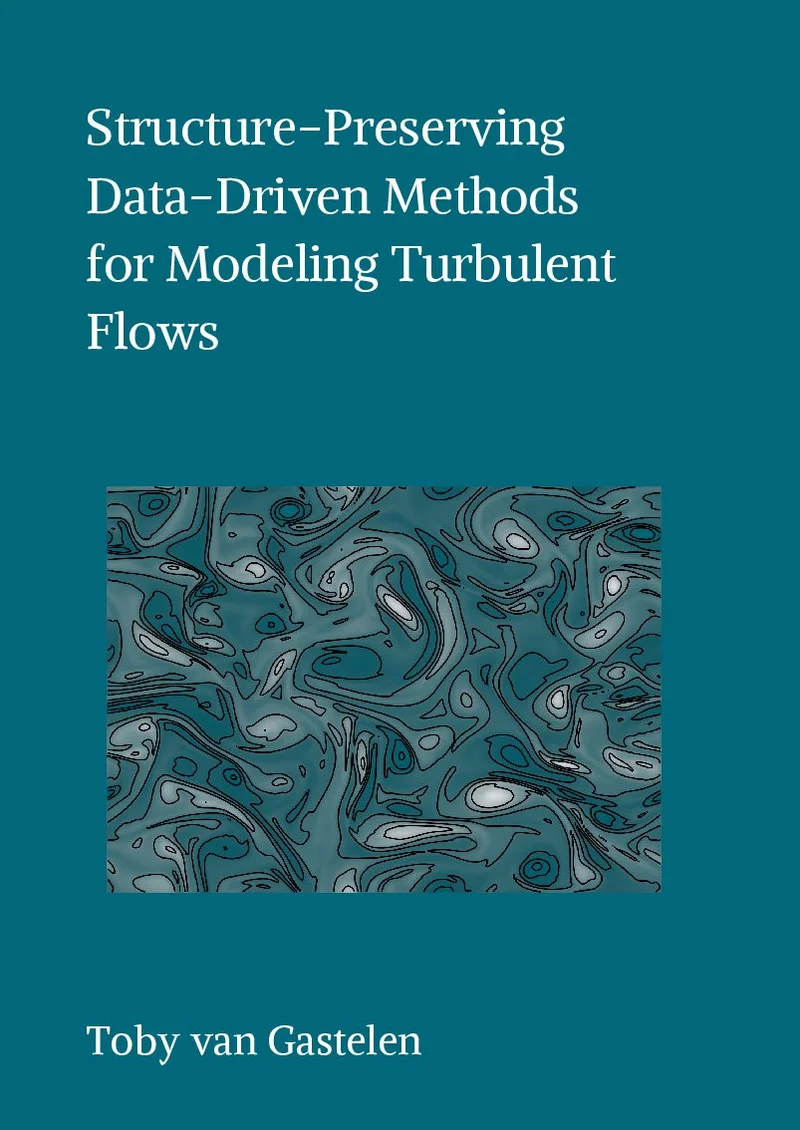
Toby van Gastelen
Structure-Preserving Data-Driven Methods for Modeling Turbulent Flows
19 mei 2026
TU Eindhoven
Open Ebook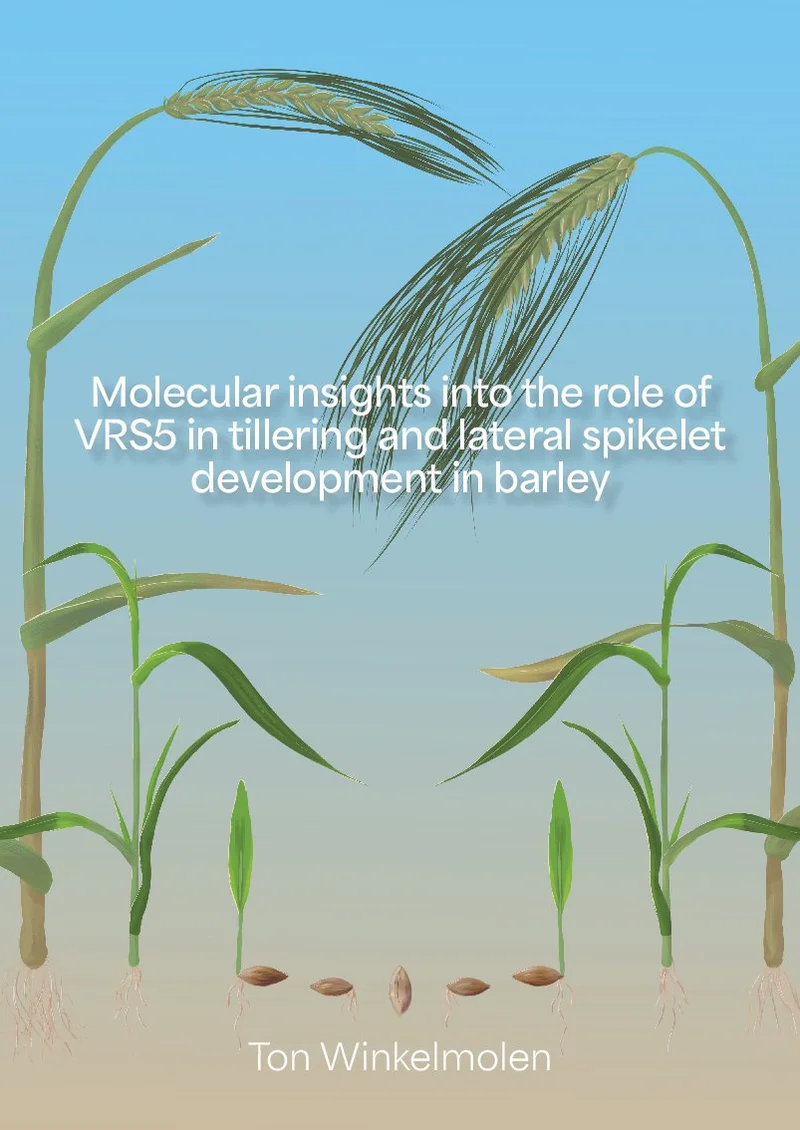
Ton Winkelmolen
Molecular insights into the role of VRS5 in tillering and lateral spikelet development in barley
12 juni 2026
Wageningen University
Open Ebook
Selcuk Peker
Gamma Knife Radiosurgery for Skull Base Tumors
10 juni 2026
Universiteit Maastricht
Open Ebook
Tonny Manalal
Reimagining petrochemical clusters by defossilising chemical building blocks
18 mei 2026
Overig
Open Ebook
Cora De Gol
Microbial stabilization and protein functionality of plant-based liquids using pulsed electric fields
17 juni 2026
Wageningen University
Open Ebook
We print for the following universities