Dixit Guleria
Uniaxial Orientation of Polyethylene Films for Recyclable Flexible Packaging
21 mei 2025
TU Eindhoven
Open Ebook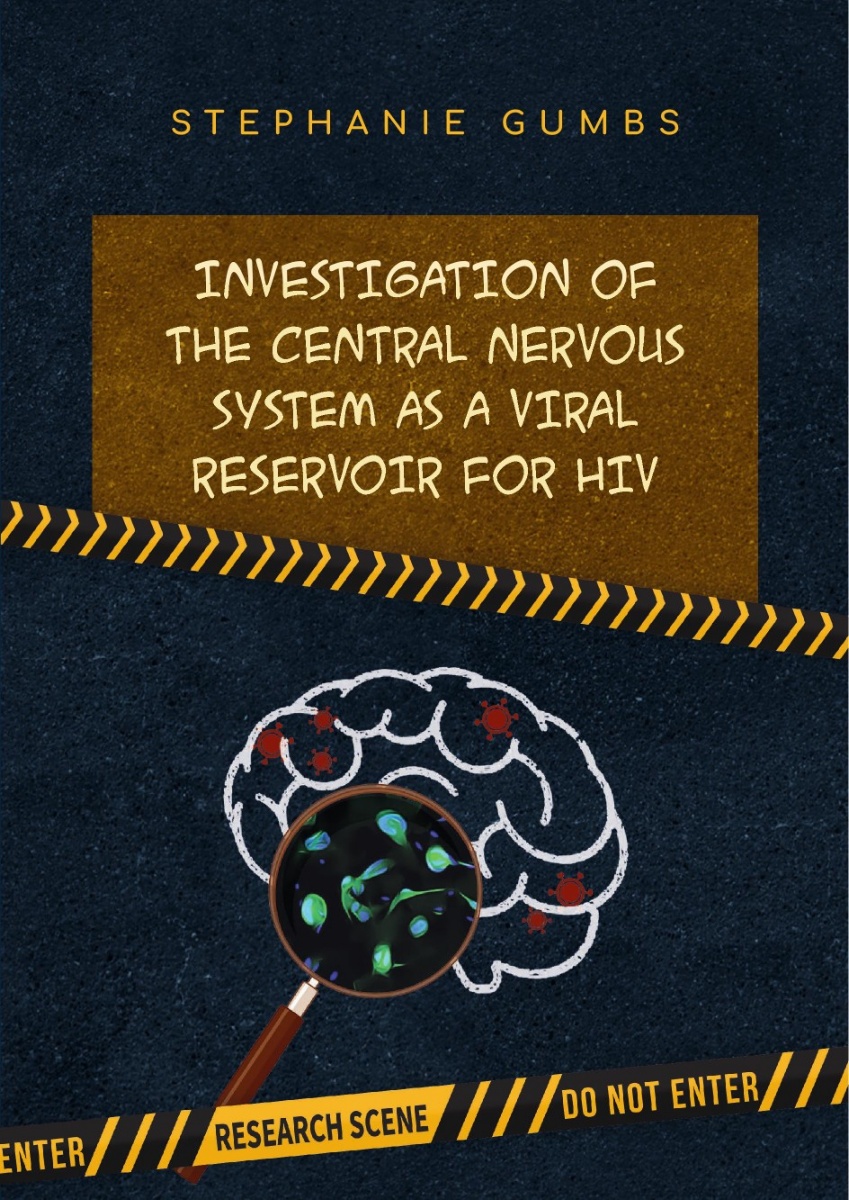
Share this project
Summary
Furthermore, as the IPDA does not measure replication competence, it remains to be studied how much of the intact proviral reservoir in the CNS is inducible and can fuel rebound viremia following in vivo activation or stimulation. In chapter 4, we generated CNS-derived luciferase reporter viruses, utilizing the full-length Env gene amplified from the microglia fraction, and showed that the Env gene derived from microglia can efficiently replicate within CD4+ T cells, hereby supporting the potential of CNS-derived viruses to reseed viremia in the periphery.
CNS culture models to study neuroHIV
To officially designate the CNS as an HIV reservoir, proof of replication competence is required. The CNS resident cells need to be able to support viral replication while the intact proviral DNA needs to encode for a replication-competent virus capable of productively infecting local CNS cells. Due to the inaccessibility and scarcity of human brain tissue, however, this is an extremely challenging undertaking primarily due to the ethical and practical restrictions. Non-human primates (NHP) share similar anatomical and physiological features to humans and have been well-established as a human surrogate for the investigation of HIV-1 pathogenesis [53].
Historically, early models of neuroAIDS research typically utilized different viral clones or swarms, that target both CD4+ T cells and monocyte/macrophages, causing AIDS-like immunosuppression and SIV encephalitis (SIVE) in about 30% of Rhesus macaques and higher percentages of Pigtailed macaques within 2-3 years [54–57]. Since then, several NHP models have been developed that reliably develop AIDS with a high incidence of SIVE within 3 to 6 months after infection. Rapid AIDS progression is induced through inoculation of Rhesus or pigtailed macaques with neurovirulent or macrophage-tropic viruses combined with the suppression or depletion of either CD4+ or CD8+ T cells using immunosuppressive viruses or monoclonal antibodies [54,55,57]. SIV infection, albeit accelerated, was found to mirror many of the key pathophysiological features of HIV infection in humans [54–57]. It is nonetheless noteworthy that NHP have significant genetic and physiological differences from humans and thus caution should be taken when translating results to the in vivo scenario in humans.
This being said, some of the most prominent CNS findings were obtained using the rapid neuroAIDS SIV models, including proof of a macrophage functional latent reservoir. Using a macrophage-specific quantitative viral outgrowth assay (MΦ-QVOA), CD11b+ brain macrophages (microglia and perivascular macrophages) were found to harbor replication-competent SIV in macaques suppressed on ART for 4 months up to 1.5 years [58–60]. In addition, viruses induced in the MΦ-QVOA were able to infect and propagate normally in healthy activated CD4+ T cells [58–60]. These studies hereby provide solid evidence that CD11b+ brain macrophages, in macaques, satisfy all the criteria of an HIV reservoir.
Yet, while the use of NHP provides many practical benefits over human studies including experimentally controlled infection and ART regimen, sampling of brain tissue, and the possibility to perform longitudinal analyzes, it is expensive and increasingly restricted by serious ethical concerns for the primates [53,55]. Current legislation and public opinion progressively push for an end to the use of animals for scientific research, especially NHP. As one of the partners in the national Non-animal Testing Innovation Transition (TPI) initiative, ZonMw started a program in 2021 entitled “More Knowledge with Fewer Animals” that provides funding for research into the development and implementation of animal-free models (chapter 2 and 5).
In chapter 4, we utilized the well-characterized primary CD4+ T-cell culture model to prove that full-length Env genes found in human microglial cells are replication-competent and can refuel viremia in the periphery (CD4+ T cells). However, we also need human CNS culture models that resemble the human CNS in vivo to further research on HIV infection in the CNS.
In chapter 2, we interrogated a variety of human microglial culture models on their resemblance to microglia in vivo, on a morphologic, transcriptomic, and functional level, and their ability to support productive HIV infection. Except for the microglial cell lines, each model was able to recapitulate aspects of primary microglia morphology and function however none of the models were able to fully recapitulate the transcriptomic signature of uncultured primary microglia. Several research groups have somewhat rectified this transcriptomic deficiency by adapting the cytokine cocktail in the culture medium, co-culture with astrocytes and/or neurons, or transplantation in mice, however complete correction remains an ongoing undertaking. Based on their transcriptome, cerebral organoids and iPSC-derived microglia have the closest resemblance to cultured primary microglia. In terms of HIV replication, we found the SV4O and HMCP cell lines to be resistant to HIV infection and observed a significant difference in infection pattern between the commonly used microglial models, primary microglia (pMG) and monocyte-derived microglia (MDMi), and the cerebral organoid model. pMG and MDMi were highly susceptible to HIV replication with continuous virus production and viral spread, and thus not reflective of the limited infection and viral spread observed among microglial cells in vivo. HIV infection of organoid-derived microglia and cerebral organoids, in contrast, reached peak infection in the first week of infection with limited viral spread within the organoids. This observation somewhat aligns with a recent study by Alvarez-carbonell et al [61], that observed co-culture with neurons to have an initial inhibitory effect on microglia infection, suggesting that the surrounding CNS cells play a role in the infection of microglia in vivo either through direct cell-to-cell contact or indirect communication via the release of cytokines and/or chemokines. Overall, based on our findings we found cerebral organoids to have the closest resemblance to (cultured) primary microglia and most representative of microglia HIV infection in vivo.
In the cerebral organoid model, consisting of a variety of CNS cells including microglia, astrocytes, and neurons, we found that productive HIV infection occurred exclusively within microglial cells via the CCR5 receptor (chapter 5). A similar finding was reported by Dos reis et al., following the incorporation of HIV-infected microglia into their human brain organoid (hBORG) model [62]. Furthermore, despite the detection of HIV DNA and msRNA in astrocytes in vivo [26], neither organoid model found astrocytes to be susceptible to productive HIV infection. A very recent paper by Woodburn et al [63], also reported that, contrary to primary microglia and monocyte-derived macrophages, astrocytes were completely refractory to HIV infection using both M-tropic and T cell-tropic HIV-1 Env proteins. Albeit, the absence of HIV infection in astrocytes in our organoid model may be explained by two notable limitations of our organoid model, namely the “age” of the astrocytes and the absence of CD4+ T cells. Immature astrocytes might be less susceptible to HIV infection than fully mature astrocytes in older organoids, whereas CD4+ T cells are proposed to be essential for CD4-independent infection of astrocytes in vitro.
Overall, the cerebral organoid model holds great promise as a human CNS-like in vitro culture model for the study of HIV neuropathogenesis, including the establishment, maintenance, and reactivation of HIV latency in the CNS. Notably, as with any in vitro model, it comes with a set of limitations. Some of the biggest challenges we came across while setting up the cerebral organoid model for HIV research were: (i) the high variability between organoids from the same batch and across iPSC lines, (ii) the lack of control over mesoderm induction and the subsequent low frequency of microglia within the organoids (iii) and the inability to completely remove unbound virus from the Matrigel. Since the publication of our organoid differentiation protocol in 2018 [64], there have been considerable improvements in the protocols used for the generation of cerebral organoids such as the replacement of Matrigel with polymer scaffolds and adapting the differentiation cocktail to decrease heterogeneity and improve reproducibility. One protocol that piqued our interest was published by Xu et al. and entails the co-culture of iPSC-derived primitive macrophage progenitors and primitive neural progenitor cells at the onset of 3D organoid formation to generate microglia-containing brain organoids and hereby gain control of the frequency of microglia within the organoids [65]. Furthermore, as the cerebral organoid technology field continues to advance to better recapitulate the human CNS in vitro, it also gives rise to various ethical concerns [66]. Particularly, one can wonder whether a human cerebral organoid could develop some degree of consciousness and whether, under certain conditions, it could acquire its own moral status with the related rights [67].
Lastly, cerebral organoids have been proposed as an alternative model for animal research. Currently, the development of cerebral organoids utilizes several animal-derived components, such as sera and Matrigel. Furthermore, cerebral organoids lack interorgan communication, do not contain a blood-brain barrier, and lack peripheral immune cells all of which are essential for the accurate representation of CNS HIV infection in vivo. As a result, cerebral organoids cannot completely replace the use of animals in HIV research but can be used as a pre-screening tool to help reduce the number of animals used.
Targeting the HIV reservoir
The main objective of cure interventions is to enable HIV-infected individuals to discontinue treatment without the consequence of rebound viremia and the ensuing opportunistic infections. The achievement of a sterilizing HIV cure in the “Berlin patient”, and the recent “London patient”, as well as the “Dusseldorf patient”, have given new hope that a cure for HIV is possible [68–71]. These patients underwent an allogeneic stem cell transplant from a homozygous CCR5 32 donor, whose cells are resistant to R5-tropic HIV variants due to the 32-base pair deletion in the CCR5 receptor. There have been several attempts to replicate the success of the “Berlin patient”, which included the “Boston patients” who received an allogeneic stem cell transplant from homozygous wildtype CCR5+/+ donors. Both patients remained HIV negative up until 129- and 226-days after ART interruption, when the virus rebounded in blood and CSF, resulting in HIV-associated meningitis in one patient [72].
On a positive note, the achievement of a cure following the transplantation of CCR5 32 stem cells has prompted research into gene editing to develop HIV-1 resistant cells. This included the use of a variety of nuclease-mediated gene editing tools, such as transcription activator-like effector nucleases (TALEN), zinc-fingers (ZNF), and clustered regularly interspaced short palindromic repeats (CRISPR) to manipulate the CCR5 and CXCR4 receptor in vitro, however, due to the high-cost and time-consuming process of ZNF and TALEN, CRISPR/Cas9 has become the preferred method [73]. The CRISPR/Cas9 system involves the use of a custom-designed guide RNA and the Cas9 nuclease to excise a specific DNA sequence from a cell, such as CCR5, or HIV DNA, to generate cells that are devoid of these sequences [74,75]. The CRISPR/Cas9 system can also be used to reactivate latently infected cells or suppress HIV expression by fusing an activator or repressor to a defective Cas9 (dCas9) protein [76]. Using the CRISPR system, latent HIV could be successfully eradicated from microglia [77], perivascular macrophages [77], and astrocytes [78] in vitro, suggesting that this method could be an effective strategy for targeting the CNS. However, it remains to be established whether CRISPR can effectively cross the BBB and have the same impact on these CNS cells in vivo.
In addition to gene therapy, there are two pharmacological approaches to HIV cure namely, the “Shock and Kill” and the “Block and Lock” strategy. The Shock and Kill strategy, extensively discussed in chapter 6, is the most explored strategy for HIV cure and entails the reactivation of the latent reservoir with potent latency-reversing agents (LRA), followed by cell killing either directly due to the cytopathic effect of the virus or by cell-mediated immune responses [79]. The success of this method in the eradication of the CNS reservoir is highly dependent on the ability of the LRAs to cross the BBB and efficiently activate all the latently infected CNS cells without causing overt neuroinflammation and neurotoxicity. Equally important is the penetration of immune cells and/or neutralizing antibodies into the CNS and their efficacy in killing the activated reservoir [80].
The “Block and Lock” strategy, in contrast, aims to permanently lock infected cells into a deep latent state and prevent HIV gene transcription using latency-promoting agents (LPAs) [79]. The most popular LPA is Didehydro-cortistatin A (dCA) and was reported to efficiently cross the BBB and significantly reduce HIV RNA levels in the brain of the bone marrow-liver-thymus (BLT) mouse model of HIV latency and persistence. In addition, dCA also decreased the uptake of HIV-1 transactivator of transcription (Tat) in microglia-like and astrocyte cell lines [81,82]. Considering Tat’s pro-inflammatory and cytotoxic properties, inhibition of Tat activity in the CNS may alleviate Tat-mediated neurotoxicity and neuroinflammation [83].
Final thoughts and Concluding remarks
In this thesis, we advocate and provide supporting evidence for the CNS as a viral reservoir for HIV. In particular, microglia were identified as a major CNS target cell susceptible to HIV replication, CSF-derived viral clones were detected with an intermediate enhancement for entry into microglia, and in the CNS CD11b positive cells from a suppressed individual, we found intact proviral DNA whose envelope gene was capable of replication.
Thus, the major question is “Do we, in conjunction with current literature, now have sufficient evidence to permanently designate the CNS as an HIV reservoir? “Simply put, no. We have shown that CNS cells harbor intact HIV proviral DNA; however, if we strictly adhere to the criteria and requirements of an HIV reservoir, we still need definitive evidence that latently infected CNS cells can produce infectious virus upon reactivation and reseed peripheral viremia after ART is discontinued. To date, this criterion can only be addressed by performing a QVOA on the reservoir of interest. While performing the QVOA on human brain tissue is technically feasible, it involves a considerable number of practical challenges which include the difficulty of obtaining large amounts of brain tissue from well-characterized virally suppressed HIV-infected individuals and finding appropriate stimuli and target cells that can efficiently activate CNS cells and maintain the (macrophage-tropic) characteristics of the CNS viral population through sequential rounds of culture. Therefore, apart from the ethical issues, such a study would still take several years to complete. In the meantime, as cure strategies and HIV-1 intervention trials are quickly progressing (clinicaltrials.gov), we contend that the CNS should be regarded as an HIV reservoir, despite its unproven replication competence, and incorporated into current and new curative strategies.
Subsequently, to incorporate the CNS in cure interventions, we need a comprehensive understanding of the molecular mechanisms responsible for the establishment and maintenance of HIV latency in the infected CNS cells. In this thesis, we propose that microglia are the predominant cellular HIV reservoir in the CNS and characterized several human microglial culture models. The question is: “How do we move forward with these models to advance neuroHIV research?”. In chapters 2 and 5, cerebral organoids are highlighted as the most representative CNS culture model for the recapitulation of HIV infection in the CNS in vivo. However, the cerebral organoid field is still in its infancy and requires additional optimization to increase reproducibility, as well as the consistent induction of microglial cells. The latter is especially vital for HIV research, as we and others have shown microglia to be the only cells susceptible to HIV infection within cerebral organoids. Thus, until we have a protocol that can reproducibly generate microglia-containing organoids, this model is not yet suitable for wide-scale HIV research.
An alternative model would be iPSC-derived tri-culture models of microglia, astrocytes, and neurons, in which the prevalence rate of each cell type can be readily manipulated. This model could be used to further investigate the inhibitory role of surrounding CNS cells on HIV infection of microglia, observed in the cerebral organoids. Furthermore, one of the main research questions for the CNS reservoir is to determine if and how HIV latency in the CNS cells differs from the CD4+ T cells. Using the iPSC-derived tri-culture model or primary microglia we can assess the integration site of HIV, identify epigenetic modulators of transcription that can be used for LRAs and LPAs, and also elucidate the efficacy and toxicity of current LRAs, LPAs, and the CRISPR/Cas9 system. In addition, the iPSC-derived tri-culture model can also be used to study HIV-induced neuronal damage and neuroinflammation responsible for the development of HAND. Lastly, primary microglia and monocyte-derived microglia can be used to assess the replication-competence and macrophage tropism of HIV variants isolated from the CSF and brain tissue. Primary microglia and monocyte-derived microglia can also be used in the QVOA as target cells for the propagation of the viruses, following ex vivo stimulation.
The final question is: which cure strategy should we use for the CNS reservoir and how should we monitor this reservoir in cure inventions? The main goal of targeting the CNS reservoir will be to select a carefully tailored combination of two or more strategies that can eradicate, or permanently block, the replication-competent viral reservoir in the CNS while preventing permanent neurological damage.
Currently, the most popular approach is the shock and kill, however, implementing this approach without having proper knowledge of the CNS reservoir and the efficacy of killing, carries a great deal of risk. In contrast, the block and lock strategy or the use of CRISPR to excise proviral DNA or block gene transcription is much more neurologically safe, in terms of bypassing cell activation and HIV production. Although it remains to be studied how much of the reservoir needs to be blocked or eradicated to prevent rebound viremia, as none of these methods are likely to be capable of targeting all latently infected cells. A case in point is the Boston patients, who despite having an undetectable viral load in their blood and peripheral tissues, faced HIV reactivation and viral rebound suggesting that HIV cure most likely requires complete eradication or blocking of de novo infections. Furthermore, while the defective reservoir is not considered part of the HIV reservoir due to its replication incompetence, defective proviruses have been repeatedly reported to express HIV RNA transcripts and proteins that have not only been found to play a role in the development of neuropathogenesis but are also hypothesized to function as a decoy by distracting immune cells from targeting the intact reservoir. Taking this into consideration, the prevalence of a transcriptionally active defective reservoir, after the eradication of the intact reservoir, could still cause serious neurological complications among the HIV-infected population.
Unfortunately, determining the degree of depletion or eradication of the CNS reservoir in living subjects is not possible due to the ethical restriction of pre-mortem brain biopsies. Consequently, the examination of CSF will remain the best resource for assessing HIV in the brain. CNS HIV monitoring should include serial sampling of paired CSF and plasma, before, during, and after a cure intervention [84]. Several CSF markers have been reported that can be used to monitor CNS immune activation, inflammation, and neuronal injury including neopterin [85], neurofilament light chain [86], YKL-40 [87,88], and Trem2 [89]. Measurement of these CSF markers during the intervention would give insight into the state of microglia activation, neuroinflammation, and possible neuronal damage. However, since lumbar puncture is an invasive procedure and uncomfortable for the patient, more research is needed on the development of blood biomarkers to monitor HIV activity in the CNS [90]. In HIV cure-directed clinical trials using analytical treatment interruptions (ATIs), CSF viral rebound should be phylogenetically characterized together with plasma rebound viruses to investigate CNS compartmentalization. Finally, after ART resumption, CSF viremia and inflammation must be monitored to ensure a return to baseline values and a clinical neurological examination or neuropsychological testing should be conducted to determine whether any neurological impairment occurred [84].