Share this project
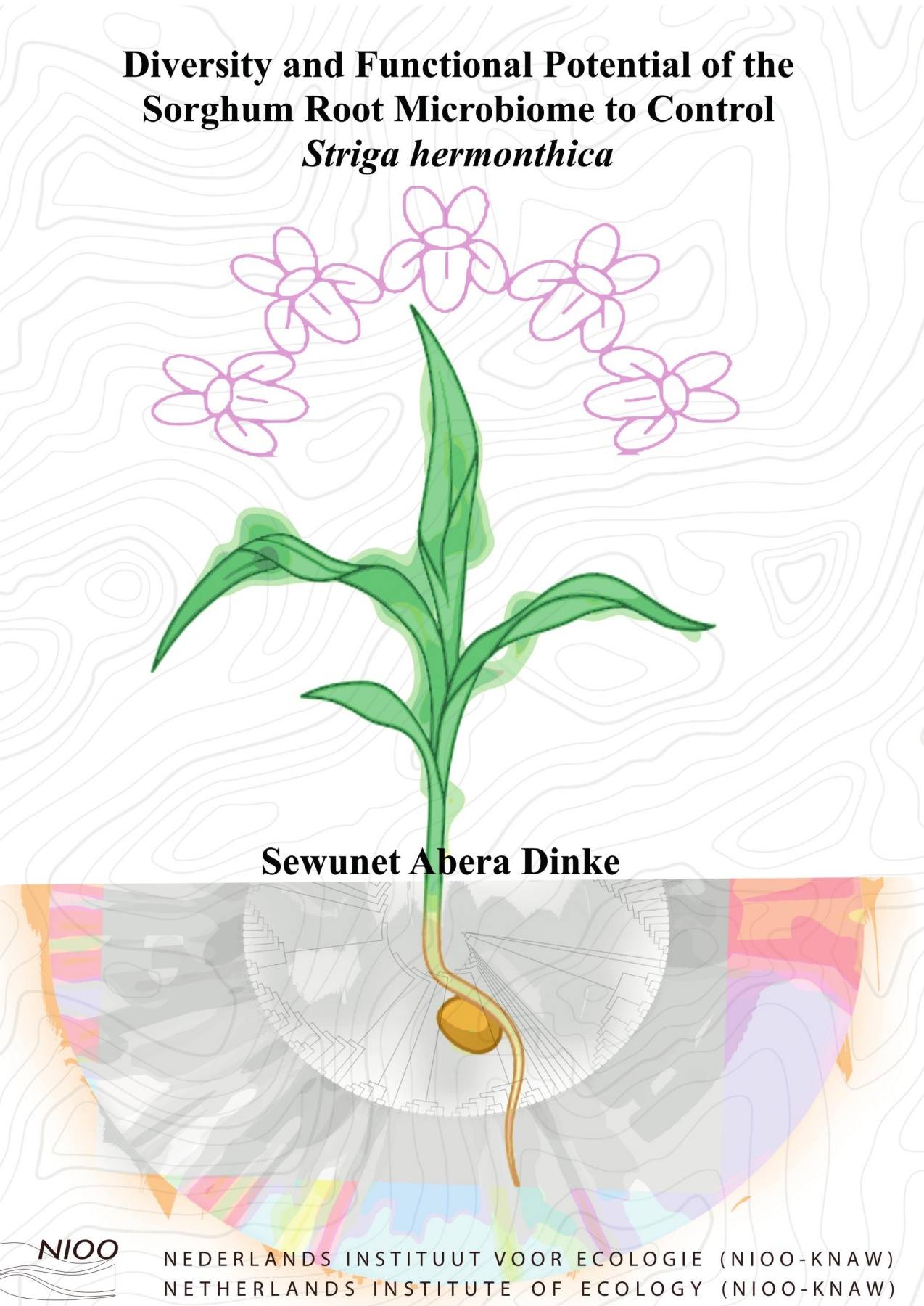
Sewunet Abera Dinke
Universiteit Leiden
Publication date: 19 maart 2025
University: Universiteit Leiden
ISBN: 978-94-6510-506-2
Diversity and Functional Potential of the Sorghum Root Microbiome to Control Striga hermonthica
Summary
Sorghum (Sorghum bicolor) is a major cereal crop that millions of subsistence farmers in Sub-Saharan Africa (SSA) rely on. It possesses key agronomic traits that makes it the preferred crop for cultivation in the respective region, including its adaptation to drought-prone arid and semi-arid growing conditions, and substantial grain yield with minimal investment on agricultural inputs (chemical fertilizers, pesticides, herbicides). However, the scourging impact of the root parasitic weed Striga (Striga hermonthica, a.k.a. “witch-weed”) is a major constraint hampering the productivity of sorghum in SSA. Several Striga management practices were developed and implemented over the past half century, in particular resistance breeding, herbicides, and improved farm management practices. Nonetheless, despite decades of relentless efforts in research and development (R&D), none of these strategies is singularly effective or affordable for subsistence farmers.
The plant microbiome is regarded as the plant’s second genome, conferring various extended plant phenotypes, including enhanced nutrient acquisition and tolerance to (a)biotic stresses. Integration of microbial applications with other management practices has been proposed as a complementary approach to a more robust and sustainable Striga control strategy. To this end, fundamental knowledge of the dynamics, diversity and functional potential of the sorghum root microbiome is needed. In this thesis, the taxonomic and biosynthetic diversity of microorganisms associated with roots of sorghum were investigated with the aim of identifying microbial species that can disrupt the Striga life-cycle.
Plant microbiomes are co-evolutionarily linked to their respective host and are under the constant influence of environmental and genetic factors. Chapter 2 of this thesis revealed the root microbiome profile of diverse sorghum genotypes grown in field soils collected from different agroecological regions of Ethiopia. The results showed that the root microbiome of genotypically and phenotypically distinct sorghum varieties was impacted by soil properties and soil-genotype interaction. The bacterial taxa shared among the twelve sorghum genotypes and field soils, referred to as the core microbiome, included taxa belonging to Pseudomonadaceae, Beijerinckiaceae, and Rubrobacteriaceae. In addition to the core microbiome members, taxonomic groups closely associated with certain sorghum genotypes with specific phenotypic traits like drought tolerance were identified. A striking result was the enrichment and high abundance of Rubrobacteria, a bacterial family that harbors species that can tolerate radiation or high temperatures, traits that may be beneficial for sorghum growth under the harsh abiotic conditions of arid and semi-arid areas in Ethiopia.
To further uncover the functional traits of the sorghum rhizosphere microbiome, shotgun metagenomics was used to determine the core biosynthetic potential, and the respective microbial taxa associated with these traits (Chapter 3). The results showed that metabolism and transport of defense-related compounds, stress tolerance, chemotaxis, and niche adaptation were among the key core functions. The bacterial taxa associated with these traits were predominated by Pseudomonadaceae, Burkholderiaceae, Enterobacteriaceae, Bradyrhizobiaceae, and Oxalobacteraceae. Subsequently, metagenome assembled genomes of several of these core taxa were recovered and their biosynthetic gene clusters (BGCs) investigated. The results showed a wide range of BGCs encoding non-ribosomal peptide synthetases, polyketides and terpenes. Future validation experiments will be required to assess the role of these BGCs in signaling, nutrient acquisition, and plant defense against Striga.
To further unravel the largely unknown interactions between the sorghum root microbiome and Striga, we studied the impact of Striga parasitism on plant biomass, root metabolome, and rhizosphere microbiome by an integrated ‘omics’ approach (Chapter 4). The results showed that Striga infestation of sorghum induced fine-tuned changes in the root metabolome and microbiome profile (i.e., diversity, functions and BGCs). The significance of these changes was quantified by differential abundance analysis and pairwise comparison tests between control and Striga-infested groups. Compound classes of peptidomimetics, depsides, fatty acyls, and prenol lipids were significantly more abundant in the Striga-infested groups, particularly in the Striga-resistant sorghum genotype. These metabolites of plant origin have been associated in earlier studies with alleviation of biotic stress. We further identified that functions related to the biosynthesis metabolism of antiparasitic and antibiotic compounds (i.e., prodigiosin, itaconate, geraniol), stress alleviation, niche adaptation, and biofilm formation were enriched in the root microbiome in response to Striga infestation. Interestingly, Striga infestation also changed the abundance of microbial functions associated with the biosynthesis of compounds involved in host root integrity, such as cutin, suberin, and wax, in the Striga-susceptible genotypes. Depletion of these functions may have promoted enhanced parasitism observed in the two Striga-susceptible sorghum genotypes as compared to the Striga-resistant genotype. We also observed an increased abundance of several BGCs in the rhizosphere microbiome associated with antibiotic, antioxidant, and immunomodulation activities upon Striga infestation. Particularly, in the microbiome of the Striga-resistant sorghum genotype, the abundance of thioamitides, lassopeptide, betalactone, and hserlactone was higher relative to the Striga-susceptible genotypes. The subsequent isolation of the rhizobacterial taxa harboring these BGCs, combined with transcriptome analyses and site-directed mutagenesis, will be needed to validate their functional role in response to Striga parasitism and in suppression of Striga infections of sorghum.
To begin to understand the functional role of prominent members of the core root microbiome of sorghum, Chapter 5 focused on the Pseudomonadaceae family. To this end, 50 Pseudomonas isolates were obtained from Ethiopian field soil and characterized taxonomically in comparison with the amplicon and shotgun metagenome data obtained in the microbiome analyses (Chapters 2, 3). Subsequent bioassays revealed that several of the Pseudomonas isolates of the core sorghum rhizosphere microbiome significantly suppressed strigolactone-induced Striga seed germination via volatiles, while some isolates adversely affected viability of the Striga seeds. Gas chromatography pointed to S-methyl methanoethiosulphonate and dimethylsulfide as the volatiles that may be responsible for the disruptive effects of these Pseudomonas isolates on Striga seed germination and viability.
Finally, a comprehensive discussion of the key findings of this thesis is made in comparison to related scientific reports from other studies (Chapter 6). Emphasis was given to the sorghum root microbiome diversity and functional attributes, along with factors governing microbiome assembly and functioning in response to and in interaction with the root parasitic weed Striga. Finally, future perspectives are presented on the feasibility of microbial-based approaches as a sustainable and affordable component of an integrated control strategy for the Striga problem in cereal production in SSA.
See also these dissertations
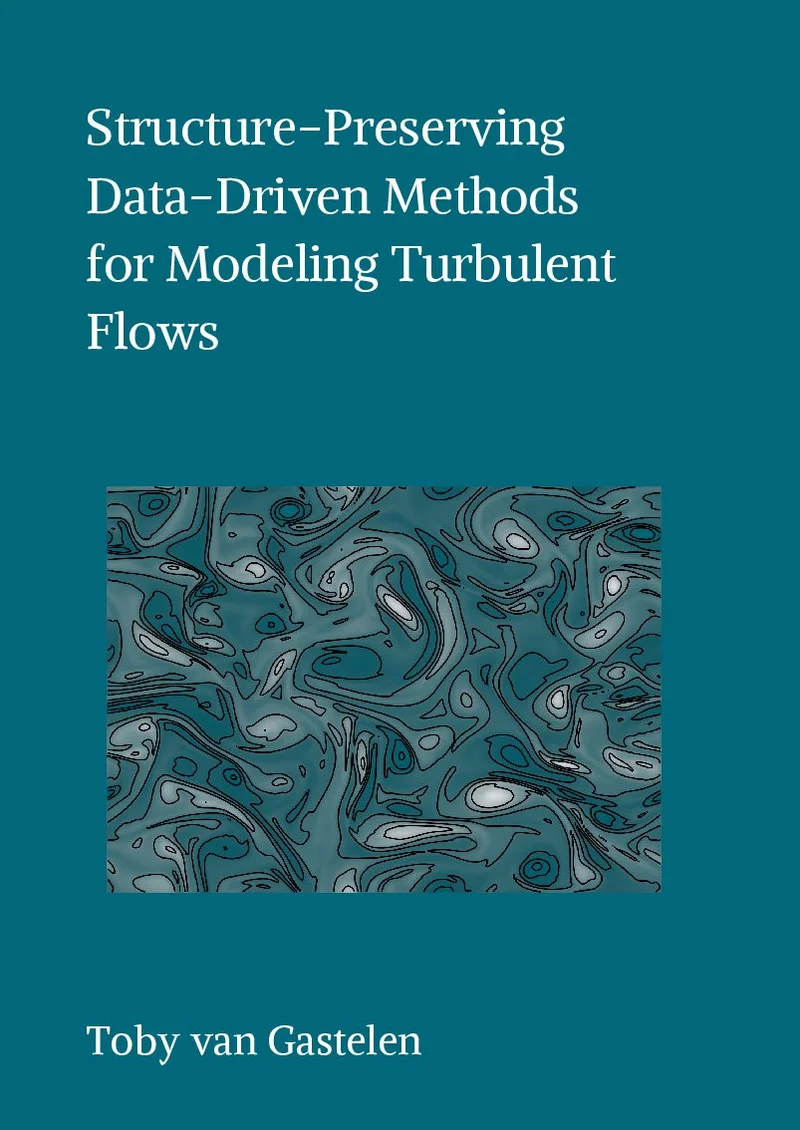
Toby van Gastelen
Structure-Preserving Data-Driven Methods for Modeling Turbulent Flows
19 mei 2026
TU Eindhoven
Open Ebook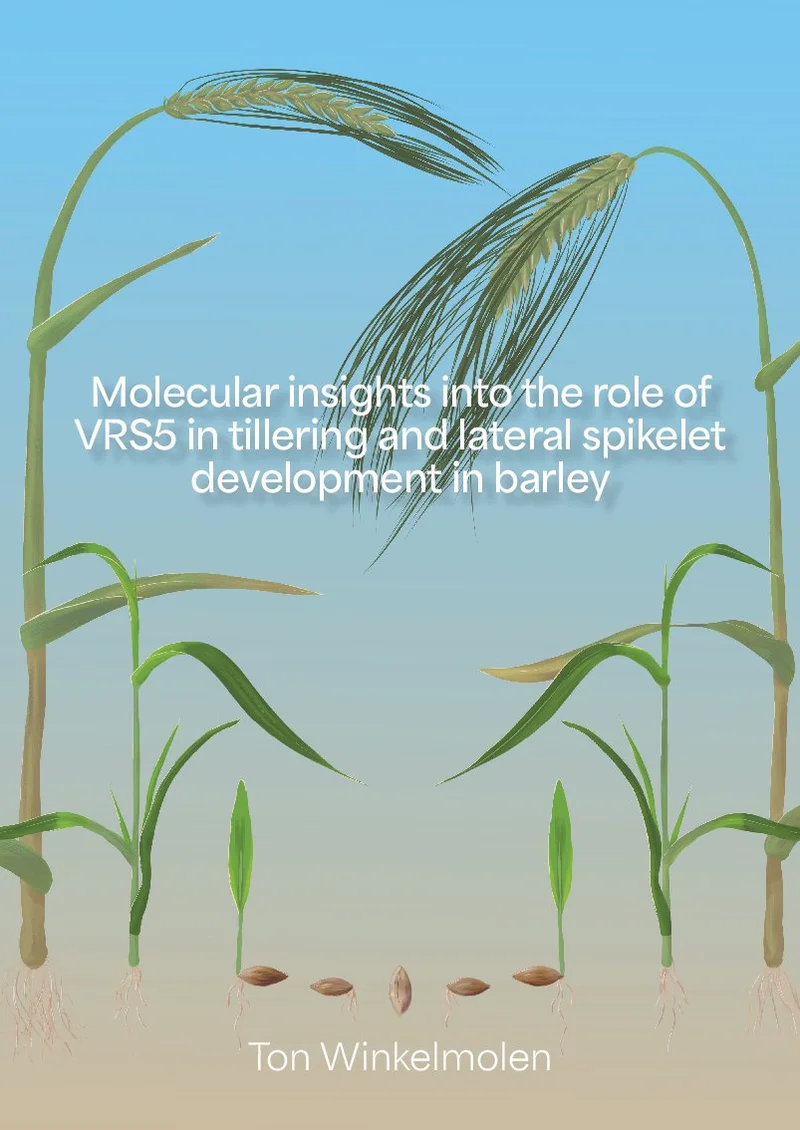
Ton Winkelmolen
Molecular insights into the role of VRS5 in tillering and lateral spikelet development in barley
12 juni 2026
Wageningen University
Open Ebook
Selcuk Peker
Gamma Knife Radiosurgery for Skull Base Tumors
10 juni 2026
Universiteit Maastricht
Open Ebook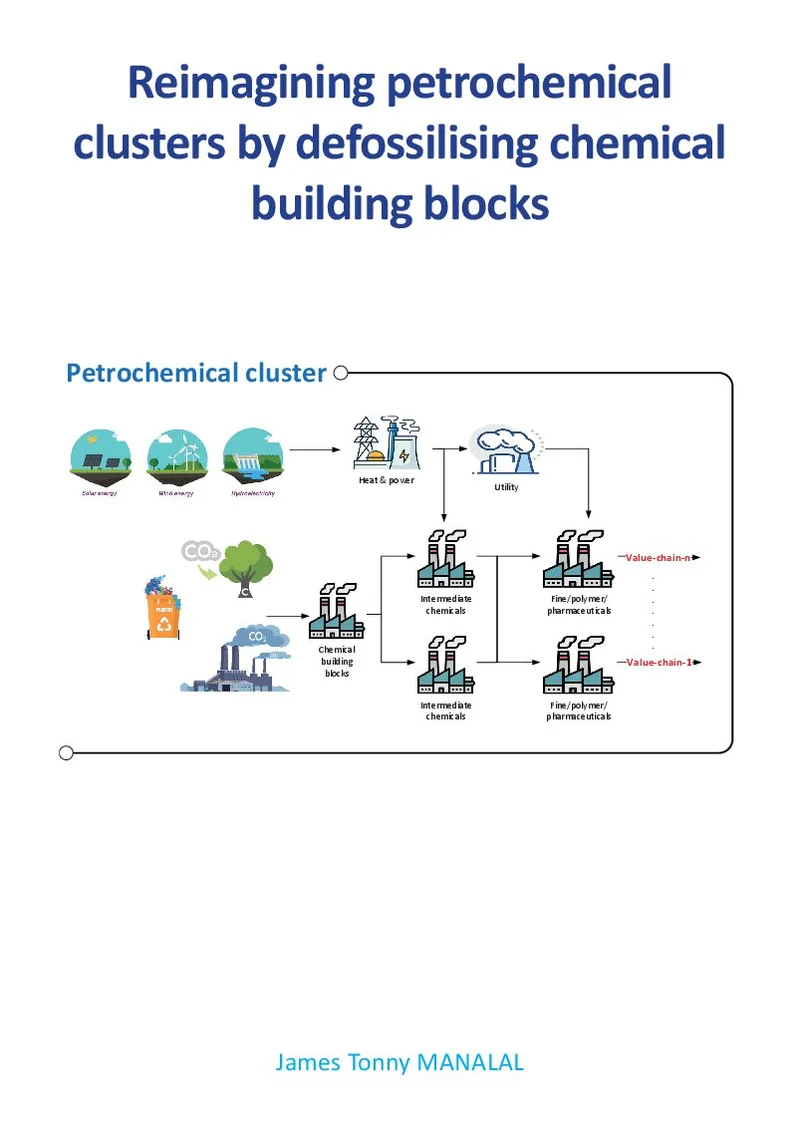
Tonny Manalal
Reimagining petrochemical clusters by defossilising chemical building blocks
18 mei 2026
Overig
Open Ebook

Cora De Gol
Microbial stabilization and protein functionality of plant-based liquids using pulsed electric fields
17 juni 2026
Wageningen University
Open Ebook
We print for the following universities