Jan Erik Doornweerd
Digital phenotyping of individual broilers in group-housing
4 september 2026
Wageningen University
Open Ebook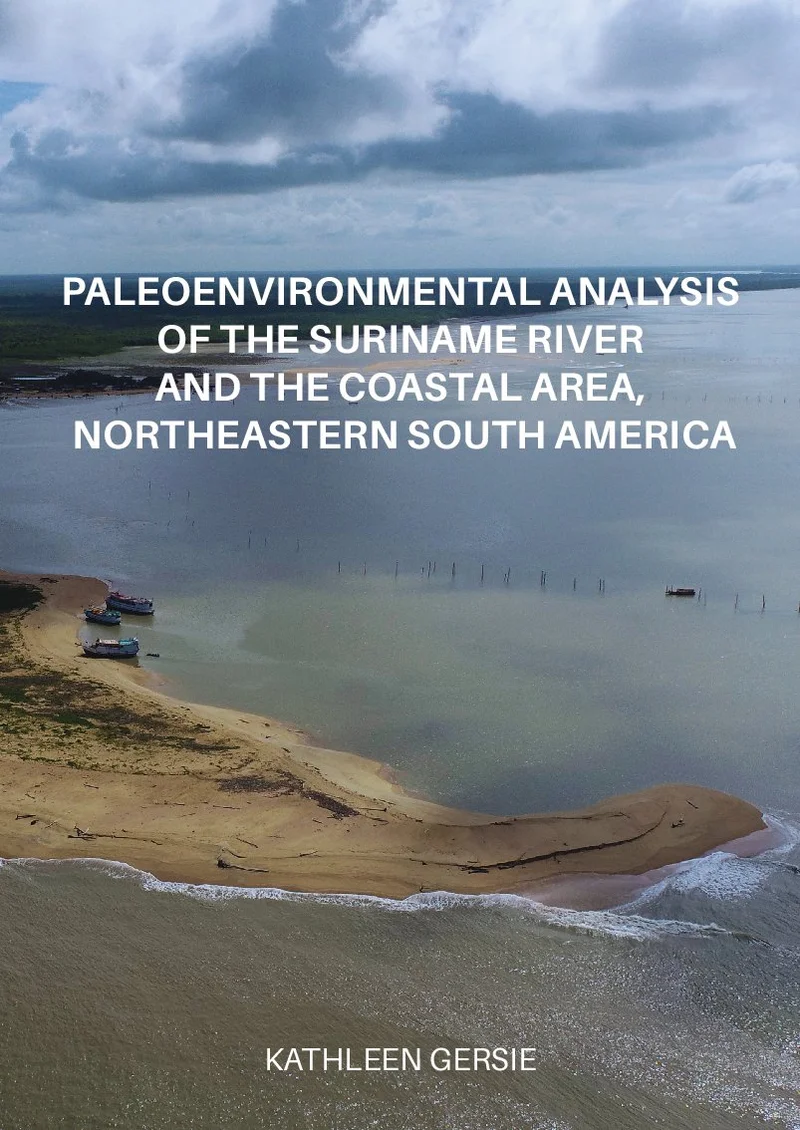
Share this project
Summary
The low-lying coastal zone of Suriname, which is vital for the country’s population and economy, is increasingly vulnerable to sea-level rise driven by climate change. This coastline is naturally protected by a dynamic system of mangroves, hydrodynamic processes, and sediment deposition, strongly influenced by variable mud discharge from the Amazon River through longshore mudbank cycles.
This thesis studies the role of sediments from the Amazon River, the Suriname River, and smaller rivers in shaping the geological and morphological evolution of the Suriname Coastal Plain from the Paleogene to the present. An integrated approach was used to answer the research questions by combining palynological analysis, sediment geochemistry, light microscopy, satellite imagery, and historical geomorphological and topographic maps.
The Paleocene–Eocene Thermal Maximum in Paleogene sediments and a major shift in mangrove composition between the Paleogene and Neogene were recorded, independent from influence of the Amazon River. During the Neogene, vegetation evolution coincided with a transition in sediment supply from local Guiana Shield rivers to the inclusion of Andean-derived material, which occurred during the Pliocene–Pleistocene. River terraces along the Suriname River reflect different controlling processes: upstream and middle terraces formed through combined tectonic uplift and climate-driven changes in discharge and sediment supply, while downstream terraces are primarily controlled by sea-level fluctuations. Suriname’s south-north running rivers have largely kept pace with coastal progradation, though anthropogenic activities, especially the Afobaka hydroelectric dam, have significantly altered river hydrodynamics and channel morphology.