Share this project
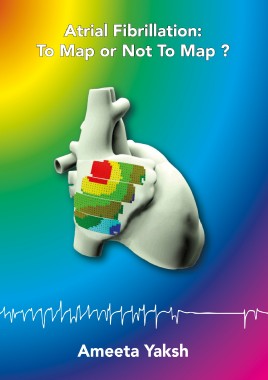
Ameeta Yaksh
Erasmus Universiteit Rotterdam
Publication date: 25 november 2016
University: Erasmus Universiteit Rotterdam
ISBN: 978946295514
Atrial Fibrillation: To Map Or Not To Map
Summary
The outline of this thesis is provided in chapter 1. In chapter 1, the aims of this thesis were to examine 1) the clinical applicability of a novel, intra-operative high resolution, multi-site epicardial mapping approach of the entire atria as a routine procedure during cardiac surgery, 2) whether there are preferential sites of electropathology during sinus rhythm in patients with various underlying heart diseases, 3) the relevance of conduction abnormalities during sinus rhythm at Bachmann’s Bundle, 4) the role of endo-epicardial asynchrony in persistence of AF, 5) characteristics of post-operative atrial ectopy and AF, 6) the relation between electrical parameters assessed with high resolution mapping, atrial ectopy and post-operative AF.
Chapter 2 discusses the possible anti-arrhythmic effects of pulmonary vein isolation. Isolation of the pulmonary veins may be an effective treatment modality for eliminating AF episodes but unfortunately not for all patients. The effect of RF-ablation on persistent AF can be attributed to various mechanisms, including elimination of the trigger, modification of the arrhythmogenic substrate, interruption of crucial pathways of conduction, atrial debulking or atrial denervation. In patients in whom ablative therapy fails, it is assumed that AF has progressed from a trigger-driven to a substrate-mediated arrhythmia. Cardiac mapping is therefore required in order to comprehend the mechanism of AF in the individual patient, to determine extensiveness of the arrhythmogenic substrate and subsequently to select the optimal treatment modality.
Bachmann’s Bundle (BB) may play a role in the pathophysiology of AF. BB, also known as the interatrial bundle, is well-recognized as a muscular bundle comprising of parallel aligned myocardial strands connecting the right and left atrial walls and is considered to be the main pathway of interatrial conduction. In chapter 3, the current knowledge of the relation between anatomical and electrophysiological properties of BB and its possible role in initiation and perpetuation of AF is outlined. BB is the preferential pathway of interatrial conduction due to its electro-anatomical properties. Disruption of the bundle’s structure causes interatrial conduction block, which is associated with development of various atrial tachyarrhythmias and with electromechanical dysfunction of the left atrium. Data obtained from clinical studies suggests a relationship between electro-pathological alterations of BB and development of AF. Further studies are still needed to examine the exact role of BB in initiation and perpetuation of AF and to determine whether BB is a potential therapeutic target to prevent the development of AF.
In chapter 4, we introduce the QUest for the Arrhythmogenic Substrate of Atrial FibRillation (QUASAR) project which is aimed at unraveling the arrhythmogenic substrate AF in patients with various heart diseases and different types of AF. It is the first study investigating electrophysiological properties on a high-resolution scale of the whole atrial surface in patients undergoing cardiac surgery using an innovative, epicardial mapping approach. Patients are divided into groups according to their underlying heart disease(s) and presence of prior episodes of AF. Electrophysiological data are acquired during sinus rhythm and AF by high-resolution epicardial mapping (inter-electrode distance of 2 mm) during cardiac surgery. After surgery, continuous cardiac rhythm registrations are analyzed for the incidence of early postoperative AF and patients are followed for five years to document the incidence of late postoperative AF. This project is the first step towards an individualized treatment strategy for patients with AF.
The clinical applicability of our novel, intra-operative epicardial mapping approach is evaluated in chapter 5. The mapping procedure was performed in patients undergoing open chest cardiac surgery, just prior to commencement of extracorporeal circulation. A floppy 128 or 192-unipolar mapping array is shifted over the entire epicardial surface of the right and left atrium and Bachmann’s Bundle, following a predefined mapping scheme. Mapping is performed during sinus rhythm and AF. If AF is not the presenting rhythm, it is induced by fixed rate atrial pacing. Mean duration of the mapping procedure was 9±2 minutes and mapping related complications were not observed. In chapter 6, we characterized the presence of conduction disorders in BB during sinus rhythm and studied their relation with AF. BB can be activated via multiple directions, but the predominant route of conduction is from right-to-left. There is no superfast conduction across BB, indicating that there are no specialized conduction cells. Conduction is blocked in both longitudinal and transverse direction in the majority of the patients. Conduction disorders, particularly long lines of longitudinal conduction block, are more pronounced in patients with AF episodes.
The value of intra-operative, high-resolution mapping of the entire epicardial surface for detection of the arrhythmogenic substrate underlying AF in 209 patients undergoing coronary artery bypass grafting is described in chapter 7. Unipolar electrograms were recorded during sinus rhythm at the left and right atrium and Bachmann’s Bundle, resulting in 390,379 recording sites (1868±285 sites/patient). Areas of conduction delay and conduction block occurred in respectively 1.4% and 1.3% of the total atrial epicardial surface. Despite a similar underlying clinical profile, considerate inter-individual differences were observed. The area underneath the 192-unipolar mapping array was subdivided into quadrants of 1cm2. In all patients, the majority of these quadrants did not contain any conduction disorders. However, in the remainder of the quadrants the amount of conduction block varied from 0.1-34%/cm2. Areas with conduction disorders were scattered throughout the atria in all patients. Despite these inter-individual and intra-individual variations in conduction disorders, a predilection site for both conduction delay and conduction block was present at the superior, intercaval right atrium. Conduction disorders during sinus rhythm were not correlated with development of early post-operative AF. Hence, mapping during sinus rhythm is not a viable approach to identify the arrhythmogenic substrate underlying AF.
In chapter 8, we tested the hypothesis that conduction disorders occur preferably at the right atrium in patients with a right atrial overload due to a congenital heart defect. We therefore performed the aforementioned intra-operative high-resolution epicardial mapping procedure in twelve patients undergoing first time surgery for a congenital heart defect. The right atrium was dilated in all patients. Electrograms were recorded from 25,197 recording sites (1,9138±327 /patient), covering 452 quadrants. Conduction delay and block was present in respectively 1.6% and 1.5% of the entire epicardial surface. Similar to our reference cohort of patients undergoing CABG surgery, considerable intra-individual and inter-individual differences in the spatial distribution of conduction disorders were observed. Conduction delay and block occurred most frequently at Bachmann’s bundle (respectively 50% and 38%) and the right atrium (respectively: 38% and 25%). Lines of conduction block longer than 16 mm at these sites occurred in all patients with AF.
In chapter 9, the degree of simultaneous activation of the endocardial and epicardial myocardium of the right atrial free wall was investigated in 14 patients with induced, persistent or longstanding persistent AF. A clamp made of two rectangular 8x16 electrode arrays (inter-electrode distance 2 mm) was inserted into an incision in the right atrial appendage. Recordings of 10 seconds of AF were analyzed to determine the incidence of asynchronous endo-epicardial activation times (≥15 ms) of opposite electrodes. In these patients, the degree of endo-epicardial asynchrony in activation during ten seconds of AF varied between 0.9-55.9% with a mean of 15%. Focal waves appeared equally frequent at endocardium and epicardium (11% versus 13%, p=0.18). Using strict criteria for breakthrough (presence of an opposite wave within 4mm and ≤14ms before the origin of the focal wave), the majority (65%) of all focal fibrillation waves could be attributed to endo-epicardial excitation. Hence, we provided the first evidence for asynchronous activation of the endo-epicardial wall during AF in humans. Endo-epicardial asynchrony may play a major role in the pathophysiology of AF and may offer an explanation why in some patients therapy fails.
Continuous rhythm recordings after cardiac surgery were used to examine characteristics of post-operative atrial dysrhythmias. Knowledge of the mechanism underlying post-operative atrial fibrillation (PoAF) is essential for the development of preventive measures. In the general population, frequent supraventricular premature beats (SVPBs) are associated with AF. Whether SVPBs also play a role in development of PoAF is unknown. The incidence, characteristics and time course of PoAF, SVPBs triggering PoAF, their interrelationship and alterations over time were examined in patients undergoing CABG in the first five post-operative days. The outcome is summarized in chapter 10. PoAF episodes were mainly repetitive though transient in nature. There was a considerable inter-individual variation in characteristics of both AF and supraventricular ectopy, despite comparable clinical profiles. The burden of supraventricular premature beats was higher in patients with PoAF and the mode of onset was characterized by short coupled supraventricular premature beats. Determination of individual post-operative dysrhythmia profiles enables recognition of patients at risk for developing PoAF.
In chapter 11, we examined early, new-onset PoAF after coronary artery bypass grafting. The frequency and burden of post-operative atrial dysrhythmia in patients with coronary artery disease and their relation to PoAF was examined. Atrial dysrhythmia occurred in all patients after coronary artery bypass surgery whereas PoAF developed in 28% of the patients. Independent risk factors for development of PoAF were the frequency and burden of supraventricular premature beats and SV-runs. Also, a supraventricular premature beat prematurity index ≤59% is a risk factor for PoAF prediction. Hence, these parameters could be used to identify patients at risk for developing PoAF and allows preventive measures to be taken. In chapter 12, we examined the predictive value of intra-operative inducibility of AF for (de novo) early PoAF and late PoAF, and the progressiveness of both de novo and recurrent PoAF. Sustained AF was inducible in most patients undergoing cardiac surgery. However, intra-operative inducibility of AF was not a predictor of development of either early PoAF or late PoAF. The occurrence of early PoAF is an independent predictor of late PoAF. Yet the incidence of LPoAF was low and was mainly observed in patients with a history of AF prior to cardiothoracic surgery. Progression of LPoAF occurred frequently (56%), irrespective of a surgical pulmonary vein isolation, which is most likely due to progressive atrial remodeling.
The incidence of AF also rises in ageing patients with congenital heart disease (CHD). However, studies reporting on AF in CHD patients are scarce. In chapter 13, the predictive ability of atrial extrasystole (AES) on development of AF was examined in a large cohort of patients with CHD. AES occurred relatively frequently in the adult CHD population compared to patients with other cardiac diseases and an increased AES frequency is associated with a higher risk of AF development in CHD patients. In chapter 14, we performed a multicenter study to examine in a large cohort of patients with a variety of CHD 1) the development of AF over time and 2) the progression of paroxysmal to long-standing persistent/permanent AF during long-term follow-up. Age at AF onset in CHD patients is relatively young compared to patients without CHD. Co-existence of episodes of AF and regular AT occurred in a considerable number of patients; most of them initially presented with regular AT. The fast and frequent progression from paroxysmal to (long)standing persistent or permanent AF episodes justifies close follow-up and early, aggressive therapy for both AT and AF.
Chapter 15 outlines the current knowledge of the development of tachyarrhythmias during pregnancy, the indications for and considerations of pharmacological treatment and its potential side effects. Tachyarrhythmias are the most frequently observed cardiac complications during pregnancy. The majority of these maternal and fetal arrhythmias are supraventricular tachyarrhythmias; ventricular tachyarrhythmia is rare. The use of anti-arrhythmic drugs (AAD) during pregnancy is challenging due to potential fetal teratogenic effects. Maintaining stable and effective therapeutic maternal drug levels is difficult due to hemodynamic and metabolic alterations. Pharmacological treatment of tachyarrhythmias is indicated in case of maternal hemodynamic instability or hydrops fetalis. Evidence regarding the efficacy and safety of AAD therapy during pregnancy is scarce and the choice of AAD should be based on individual risk assessments for both mother and fetus.
See also these dissertations
Arjan Rauwers
Bacterial Contamination of Complex Flexible Gastrointestinal Endoscopes
27 oktober 2023
Erasmus Universiteit Rotterdam
Open Ebook
Arina Buizer
Towards in vivo application of oxygen-releasing microspheres for enhancing bone regeneration
10 januari 2018
Rijksuniversiteit Groningen
Open Ebook
Arie Staal
Resilience of tropical forest and savanna: bridging theory and observation
22 juni 2018
Wageningen University
Open Ebook

Ardilasunu Wicaksono
The use of hormones to treat dairy cattle reproductive diseases
9 april 2025
Wageningen University
Open Ebook
Aram Van Brussel
OPTICAL MOLECULAR IMAGING OF HYPOXIC BREAST CANCER
19 december 2013
Universiteit Utrecht
Open Ebook
Anton Van De Woestijne
Vascular risk of lipid genotype and phenotype in patients with arterial disease
30 januari 2014
Universiteit Utrecht
Open Ebook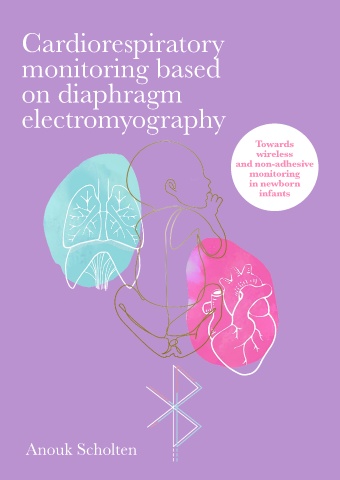
Anouk Scholten
Cardiorespiratory monitoring based on diaphragm electromyography
17 mei 2023
Universiteit van Amsterdam
Open Ebook
Anouk Pels
Definition, management and prognosis in severe early-onset fetal growth restriction
4 december 2020
Universiteit van Amsterdam
Open EbookWe print for the following universities