Share this project
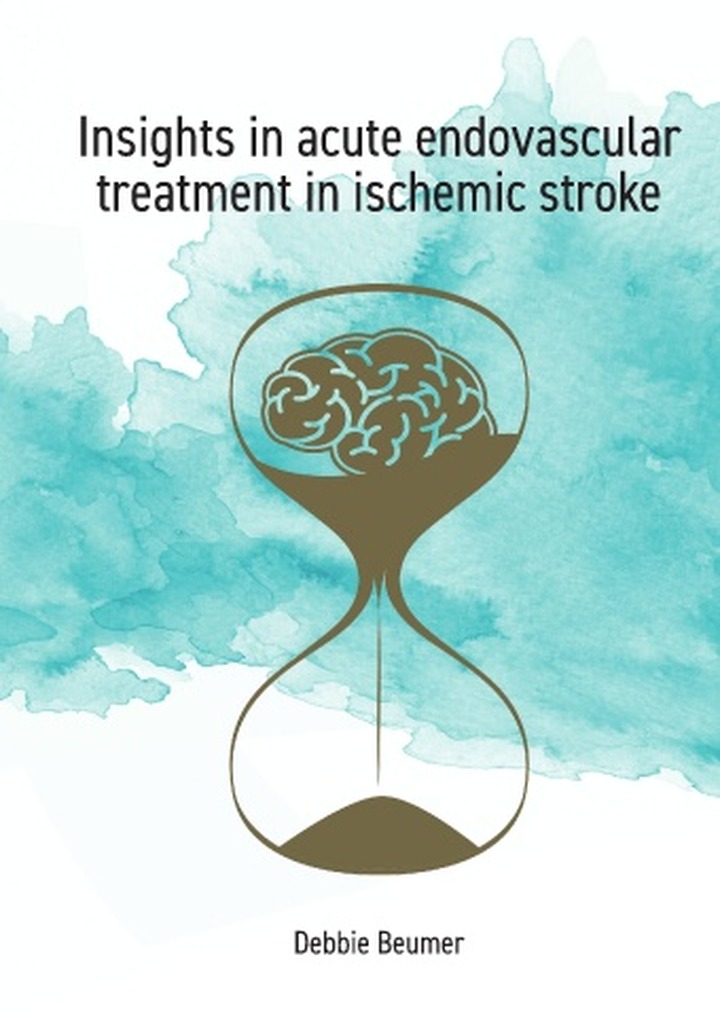
Debbie Beumer
Universiteit Maastricht
Publication date: 10 oktober 2019
University: Universiteit Maastricht
ISBN: 978-94-6380-437-0
Insights in acute endovascular treatment in ischemic stroke
Summary
Discussion
Our study shows a constant relative treatment effect of EVT for age in patients with intracranial large vessel occlusion of the anterior circulation treated within 6 hours after stroke onset. In younger patients (<80 years), we report a positive shift in mRS due to treatment, mostly in mRS categories 0‐2. In the elderly (≥80 years) the positive shift occurs towards categories 3 and 4. This could be explained by the higher prior chance of worse outcome after ischemic stroke by increasing age and the difficulty to remain completely independent at high age. However, a shift from nursing home care to living at home with some help for daily activities will increase quality of life, and diminish both burden of disease for the patient and costs for society substantially. EVT induces a smaller absolute increase in likelihood of becoming independent (mRS 0‐2) in the elderly compared to younger patients, but there is still an 8% increase in becoming independent in the highest quintile of age, which means a number needed to treat of 12. This implies that older age by itself should not be an argument to withhold EVT. Internal validity In this study we demonstrate that patients benefit from EVT regardless of their age in both relative and absolute treatment effect. No patients were lost to follow up. There were no major safety concerns in the elderly, there were more complications in the elderly and mortality was higher, but this was not related to treatment. External validity and other studies Our findings agree with other recently published studies in which patients of 80 years or older do benefit from EVT. Several cohort studies describe outcome after EVT in elderly patients, although these uncontrolled studies could not by design, explore the relation of age with treatment effect. 17,18 However, they do confirm that good recovery is possible after EVT. In that sense these studies corroborate our findings. The North American Solitaire‐FR Stent‐Retriever Acute Stroke (NASA) Registry found age over 80 years to be predictive for poor clinical outcome and reported increased mortality compared with younger patients, though no control group was available. Another study on predictors of functional outcome after mechanical thrombectomy for LVO of the anterior circulation in patients 80 years or over reported good recanalization rates and acceptable rates of intracranial hemorrhage in these patients, although the number of patients with good functional outcome (mRS 0‐2) was low (17.4%). The ENDOSTROKE study reported a good functional outcome (mRS 0‐2) of 17% in patients aged 77‐94 years undergoing EVT. Limitations In this study we focused on age and its effect on EVT regarding clinical and radiological outcome, but predicting outcome in individual patients will be multivariable, especially in older patients suffering from comorbid conditions that influence outcome. Patients in MR CLEAN were relatively young (median age 65 years) compared to the general ischemic stroke population. As we did not keep track records of all eligible patients a bias in selection of patients with higher age cannot be excluded, which may influence generalizability of our results. However, in our study 70/500 patients (14%) were older than 80 years, and comorbidity and mortality was substantially higher than in younger patients, which suggests only limited selection bias. The absence of interaction with treatment and the consistency of our results with other studies suggest that generalizability is not an issue. Conclusion There was no interaction of age with the effect of EVT in ischemic stroke, although the chance of good outcome by treatment decreased with increasing age. Age affects outcome, but not treatment effect. Moreover, treatment did not cause an increased chance of complications. Age by itself should therefore not be an argument to withhold EVT from patients with acute ischemic stroke caused by intracranial large vessel occlusion.
See also these dissertations


Mengxiao Sun
The role of service plants in promoting biological pest control and pollination in Xinjiang pear
3 juni 2026
Wageningen University
Open Ebook
Sherril Phyllis
Wild meat in the city, health risks and implications
1 juni 2026
Wageningen University
Open Ebook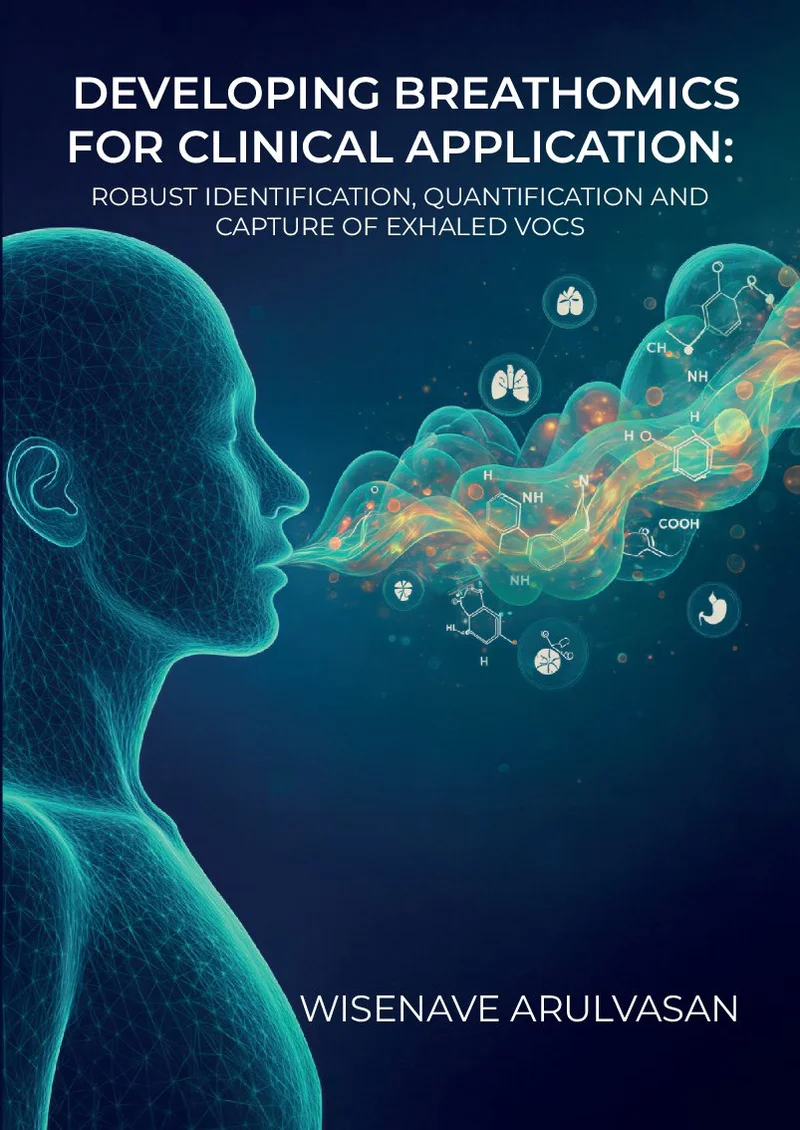
Wisenave Arulvasan
Developing Breathomics for Clinical Application
29 mei 2026
Universiteit Maastricht
Open Ebook

Evi Koene
Pharmacological inhibition of ketohexokinase in inborn and acquired metabolic disorders
4 juni 2026
Universiteit Maastricht
Open Ebook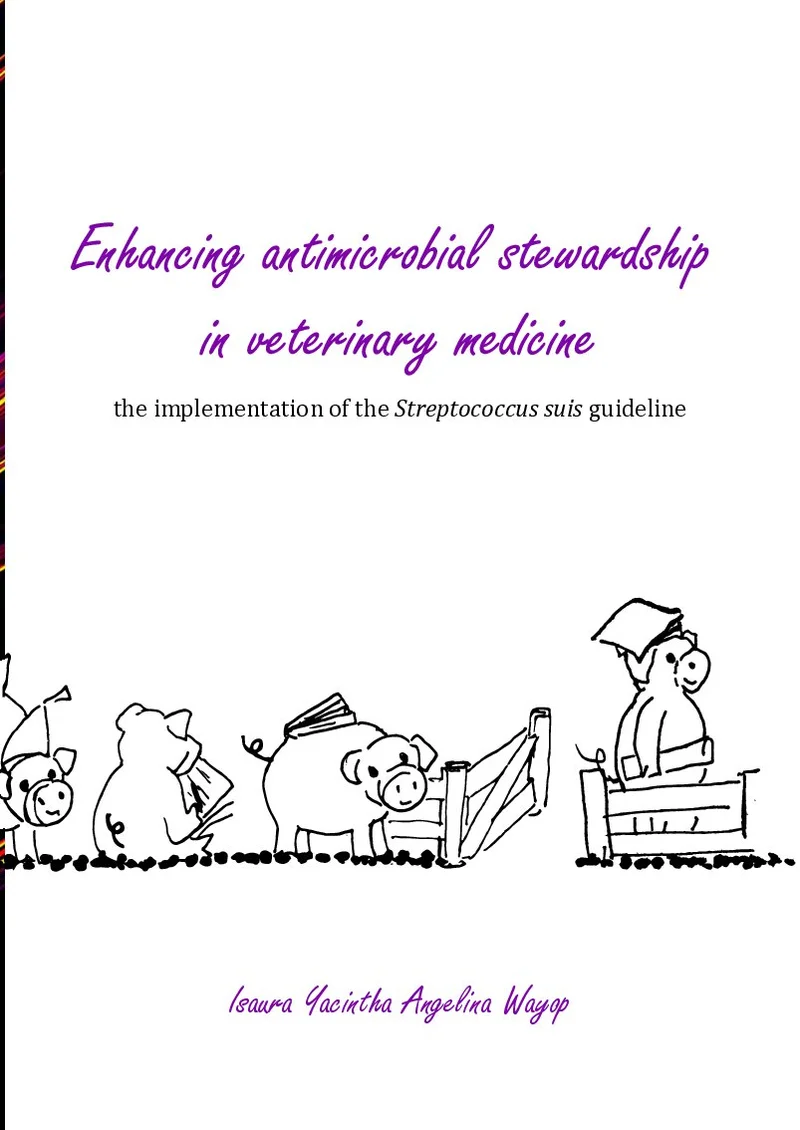
Isaura Wayop
Enhancing antimicrobial stewardship in veterinary medicine
4 juli 2025
Universiteit Utrecht
Open Ebook
Lidongsheng Xing
Identifying Sound Features from Brain Activity
6 mei 2026
Universiteit Maastricht
Open Ebook
Hongchen Li
Microbubble Oscillations and Microstreaming
21 mei 2026
Erasmus Universiteit Rotterdam
Open EbookWe print for the following universities