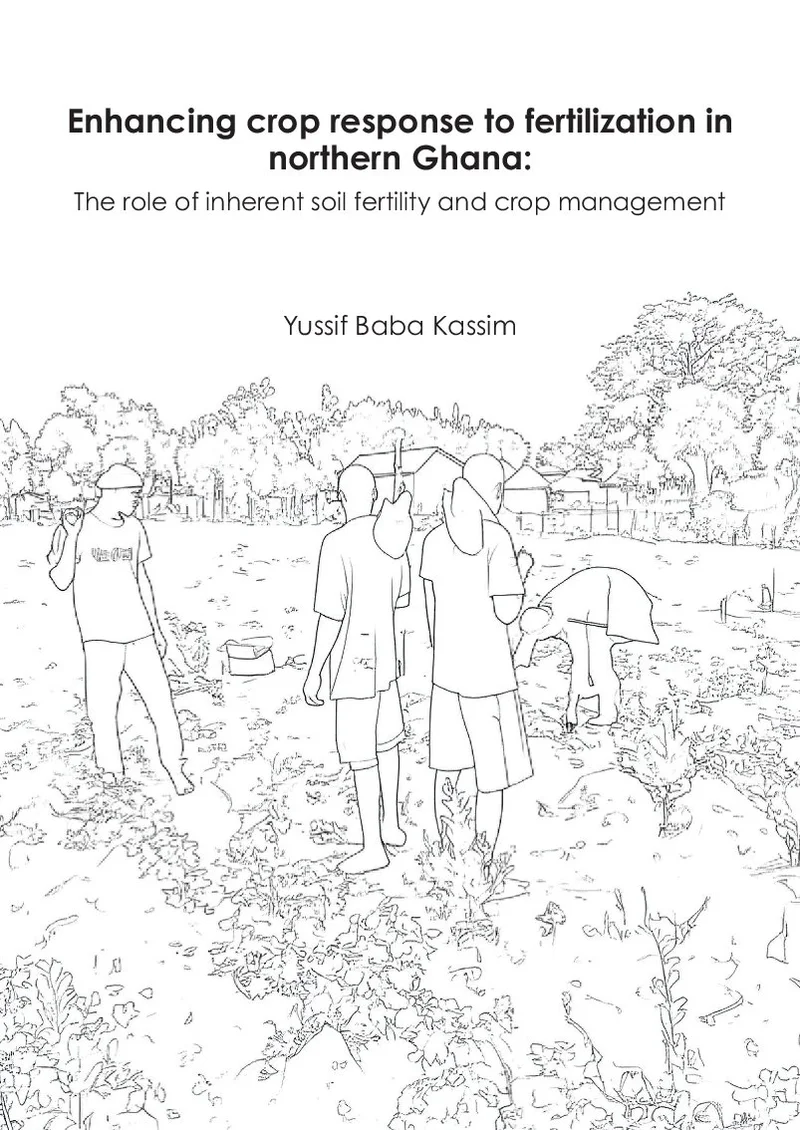
Yussif Baba Kassim
Enhancing crop response to fertilization in northern Ghana
4 september 2026
Wageningen University
Open Ebook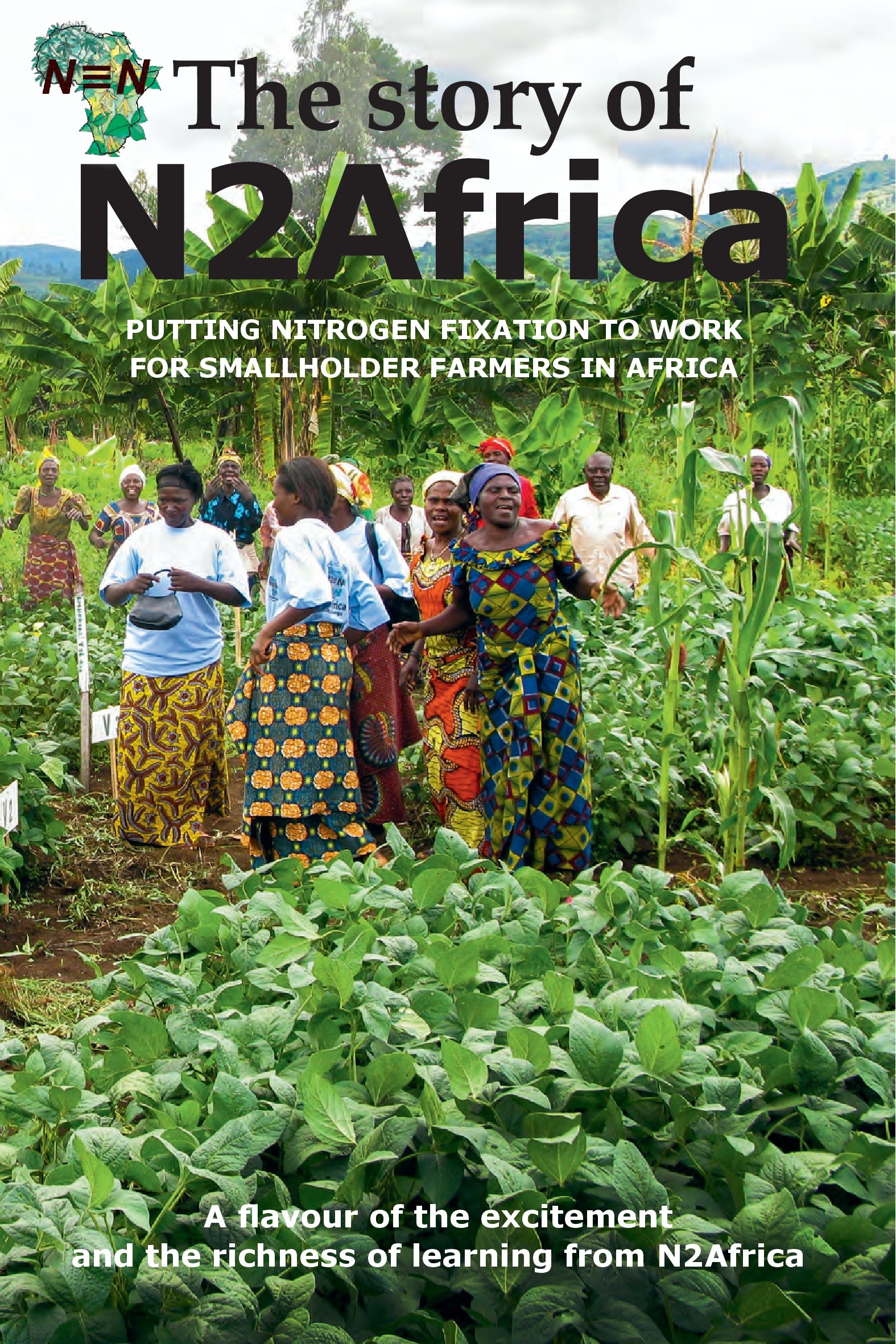
Share this project
Summary
N2Africa was launched in 2009 as a long-term development and research project with the vision of putting nitrogen fixation to work for smallholder farmers in Africa. The core focus of the project was the interaction (GL × GR) × E × M: combining the legume genotype (GL) with the rhizobium genotype (GR), tailored to the environment (E) with a focus on best agronomic management (M). Over its ten-year lifespan, the project received USD 52 million in funding from the Bill & Melinda Gates Foundation.
The project operated across eleven countries in sub-Saharan Africa (including Ghana, Nigeria, Ethiopia, Tanzania, and Uganda), addressing the fundamental research question: “What works where, when, why and for whom?” It was implemented in two distinct phases. The first phase (2010–2014) provided a ‘proof of concept’ by demonstrating significant legume yield increases and household benefits. The second phase focused on the ‘Development to Research’ model, emphasizing large-scale delivery and dissemination through public-private partnerships (PPPs). These partnerships linked farmers to input suppliers (seeds, inoculants, fertilizers) and output markets.
Key results from the project confirmed that rhizobium inoculants are a highly cost-effective technology, increasing legume grain yields by 10 to 45 per cent on average. The project reached more than 660,000 farmers directly and an estimated 2 million households through secondary seed diffusion. Beyond productivity, the project emphasized women's empowerment and nutrition, finding that involving women in legume cultivation significantly increased the likelihood of positive nutritional outcomes for households. Lessons learned highlight that while technical solutions like phosphorus and inoculants are reliable, success depends heavily on functioning value chains, matching supply to demand, and providing consistent information to farmers.