Thijs Moerenhout
Next Generation Risk Assessment of Organophosphate Pesticides
11 september 2026
Wageningen University
Open Ebook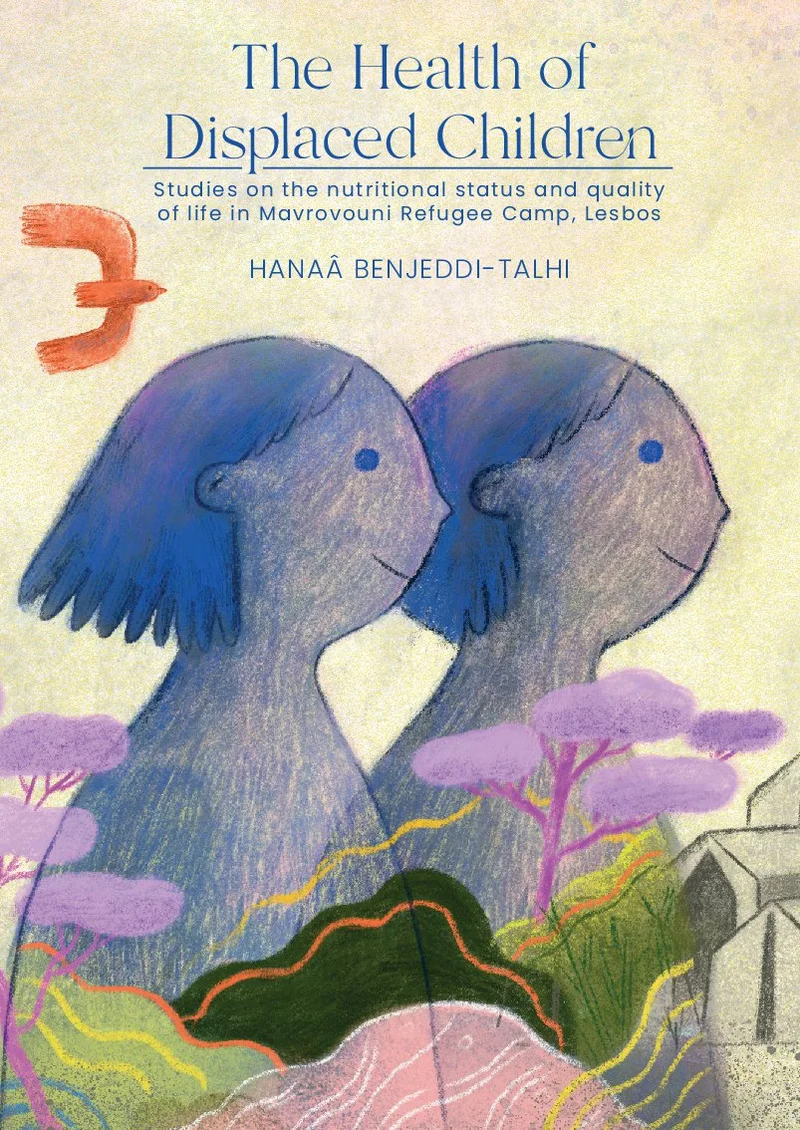
Share this project
Summary
Main findings
In Chapter 2, we systematically reviewed the existing scientific knowledge on the nutritional status of displaced children that live in camps across Europe and the Middle East and North Africa (MENA) regions. From 1,385 identified studies, 12 were included, covering 7,009 children in 14 different refugee camps. Our meta-analysis showed a pooled prevalence of stunting at 16% and wasting at 4.2%, indicating a relatively high rate of chronic malnutrition but a low rate of acute malnutrition among these children.
In Chapter 3, we assessed the nutritional status of 304 displaced children aged 0–18 at the Closed Controlled Access Centre (CCAC) Mavrovouni refugee camp in Lesvos, Greece. We found that malnutrition is prevalent. In our research sample, 11% was overall stunted, 10% was wasted among children under five, 5% underweight, and notably 13% overweight, highlighting compromised nutritional status among this group of displaced children. Unaccompanied minors (UAMs) were especially vulnerable, with a significantly higher stunting prevalence of 31%. Our study observed no significant improvement in nutritional status during the children’s stay in the camp. Breastfeeding showed a positive association with better weight-for-height scores, in children up to five years old.
In Chapter 4, we addressed the quality of life (QoL) of displaced children living in refugee settings on the Greek island of Lesvos, focusing on those in CCACs with caregivers and Unaccompanied Minors (UAMs) in shelters. Using the Patient-Reported Outcomes Measurement Information System (PROMIS) item banks, our study measured multiple QoL domains such as anxiety, depression, and cognitive functioning. The tools were adapted with interpreters to overcome language barriers. A total of 111 children (94 with caregivers and 17 UAMs) participated, showing worse scores in emotional and physical health domains compared to US norms, but surprisingly higher meaning and purpose, especially among UAMs. We found that a longer duration in camp was significantly associated with higher scores on Anxiety and Depressive Symptoms, and lower scores on Positive Affect.
In Chapter 5, we explored the moral distress experienced by paediatric humanitarian researchers working in the Mavrovouni Closed Controlled Access Center in Lesvos, Greece. Through qualitative ethics workshops with researchers, our study identified seven key themes reflecting the complex ethical dilemmas they face, which included community and system challenges, moral responsibility, conflicting duties, misconceptions about participant benefits, coping strategies, cultural factors, and theories of change. Our findings show that without proper support, researchers are at risk of moral distress, underscoring the need for dedicated support systems.