Share this project
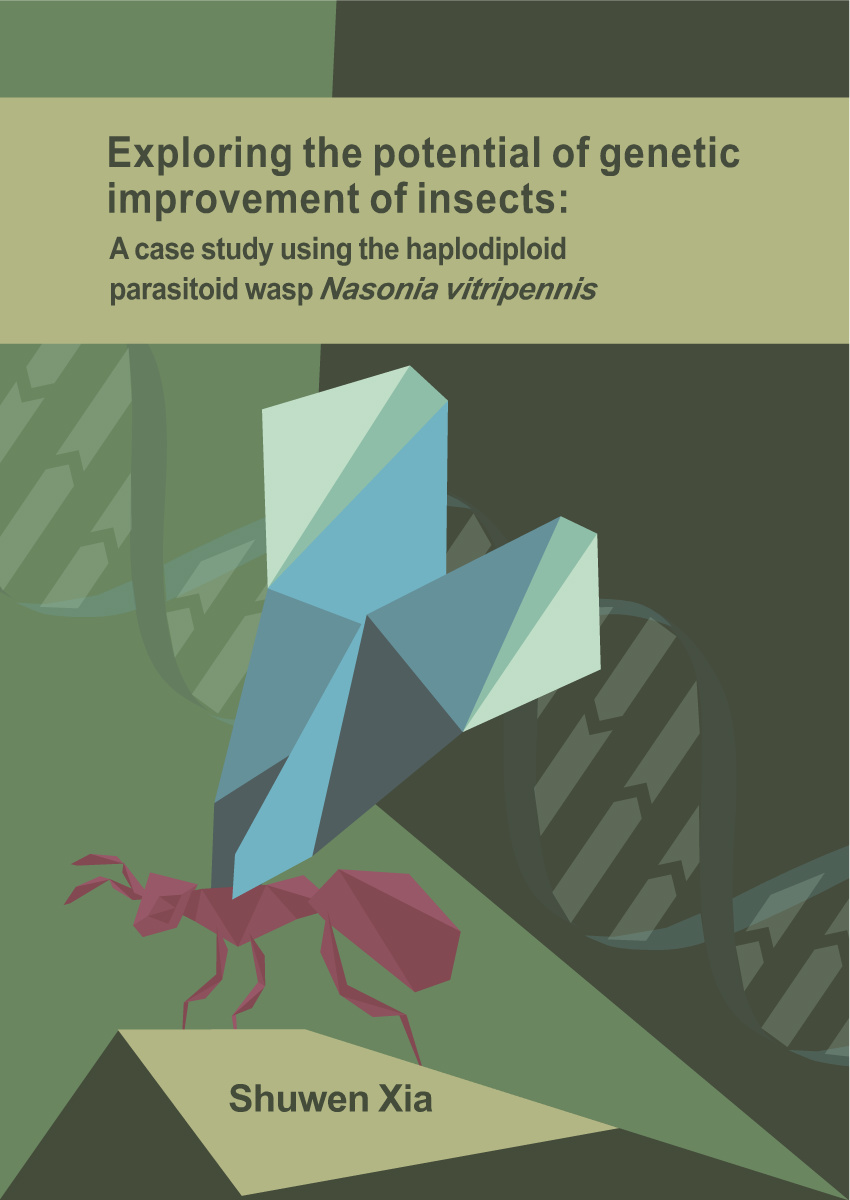
Xia, Shuwen
Wageningen University
Publication date: 24 april 2020
University: Wageningen University
ISBN: 978-94-6395-355-9
Exploring the potential of genetic improvement of insects
Summary
Insects, which constitute one of largest and most diverse group of organisms on Earth, are important components of any ecosystem, and also significant to human life. There are many beneficial insect species, such as insects used as protein source for animal feed and/or human consumption, as bio-converters for organic wastes or as natural enemies to control agriculture pests. The presence of genetic variation in insect populations implies that insect populations can be genetically improved to better serve human purposes.
The main aim of this thesis is to explore the potential of genetic improvement of insects, using the haplodiploid parasitoid wasp Nasonia vitripennis as a case study. Nasonia vitripennis is a well-developed model organism in experimental and evolutionary genetics, and it has potential as a model for biocontrol studies. I focused on wing morphology and associated phenotypic traits, as these are well-defined, show genetic variation, and are relatively easy to measure and manipulate.
In Chapter 1, I introduce the importance of genetic variation and the potential of using the available genomic tools to better understand genetic variation. I mainly focus on wing morphology in insects as a model trait for exploring the potential of genetic improvement of insects. Finally, I introduce the biology of Nasonia, and summarize the available studies on Nasonia wing morphology variation.
In Chapter 2, the phenotypic variation of tibia length and wing morphological traits were partitioned into genetic and non-genetic components, using pedigree information. To do so, phenotypic observations from 1,569 individuals, representing 55 half-sib and 256 full-sib families, were included in the analyses. The results show that the wing size traits have low heritability (h2 ~0.10), while most wing shape traits have roughly twice the heritability (h2 ~0.22) compared to wing size traits. Surprisingly, very large host effects were observed, which contributed ~50% of the variation in wing size traits. Omitting the host effect from the statistical model resulted in an upward bias of heritability estimates for wing size traits, while no meaningful increases were observed for wing shape traits. We conclude that the host effect should be taken into account in genetic analysis of parasitoids. We also conducted bivariate analyses to estimate the genetic relationships among traits. High and positive genetic correlations were found for wing size traits, which suggests a shared genetic background among these traits. These high genetic correlations between wing size traits also indicate that these traits will not respond to natural selection independently.
In Chapter 3, we used genome-wide SNP data and Genomic Restricted Maximum Likelihood to estimate the contribution of additive, dominance and host effects to the total phenotypic variation, and also performed a Genome Wide Association Study (GWAS) to understand the genetic basis underlying phenotypic variation. Similar to Chapter 2, we found significant additive effects and substantial host effects on tibia length and wing morphology. We also found a considerable dominance variance for tibia length and most wing morphology traits. The GWAS identified genomic regions with significant additive and dominance effects all traits, except for wing aspect ratio.
In Chapter 4, we used the same data set as in Chapter 3 to investigate the prospects of genomic prediction for tibia length and wing morphology traits. The accuracy of genomic prediction was compared between an additive model and a model with both additive and dominance effects. No obvious differences were observed when including dominance effect into the prediction model. This finding indicates that the simple additive model already captured the additive effects well, and inclusion of dominance effects did not yield better estimates of the additive effects. We observed promising accuracies of genomic prediction using 5-fold cross validation. This finding suggests that the application of genomic selection in insects is feasible. However, we also observed factors, such as biological constraints typical for insects, that challenge a direct implementation of genomic selection in insects.
In Chapter 5, we used the same data set as in Chapter 3 to investigate inbreeding depression on tibia length and wing morphology traits. Inbreeding depression was assessed by regressing the individual phenotypic values on individual inbreeding coefficients. Two different measures of genomic inbreeding were used: excess of homozygosity and runs of homozygosity. No evidence of inbreeding depression was found for neither inbreeding coefficient measurement. In addition, we tested the hypothesis that homozygous loci in genes with female-biased expression contribute more to inbreeding depression than loci in genes with male-biased expression. This hypothesis was based on the expectation that recessive deleterious mutations may accumulate in female-expressed genes, where they are not expressed in the heterozygous state, and therefore not purged as effectively as genes expressed in the haploid males. Different scenarios were used to weigh alleles according to their degree of sex-biased expression. However, none of these scenarios showed any evidence of inbreeding depression.
In Chapter 6, I discuss the finding in this thesis in a boarder context. In the first part, I discuss the importance of the host for the performance of parasitoids, and also the benefits and consequences of optimizing hosts to improve the performance of the parasitoid. I suggest a two-step method to select hosts to optimize the performance of parasitoids: a between-species selection, followed by within-species recurrent selection. In the second part of this chapter, I discuss the implications of this thesis for selective breeding in insects. I summarize the purpose and current status of selective breeding in insects, and present a flowchart as a guideline for the design of future selective breeding programs in insects. Finally, I discuss the differences and similarities of insect selective breeding and conventional livestock breeding.
See also these dissertations

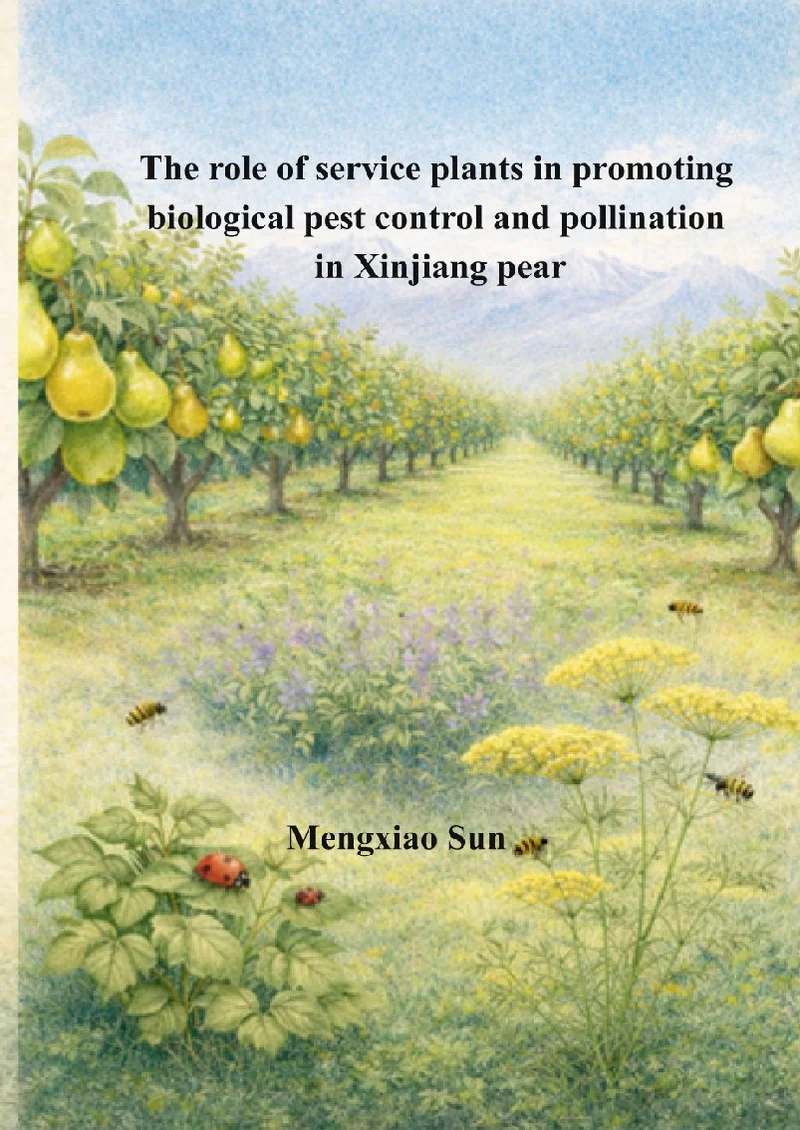
Mengxiao Sun
The role of service plants in promoting biological pest control and pollination in Xinjiang pear
3 juni 2026
Wageningen University
Open Ebook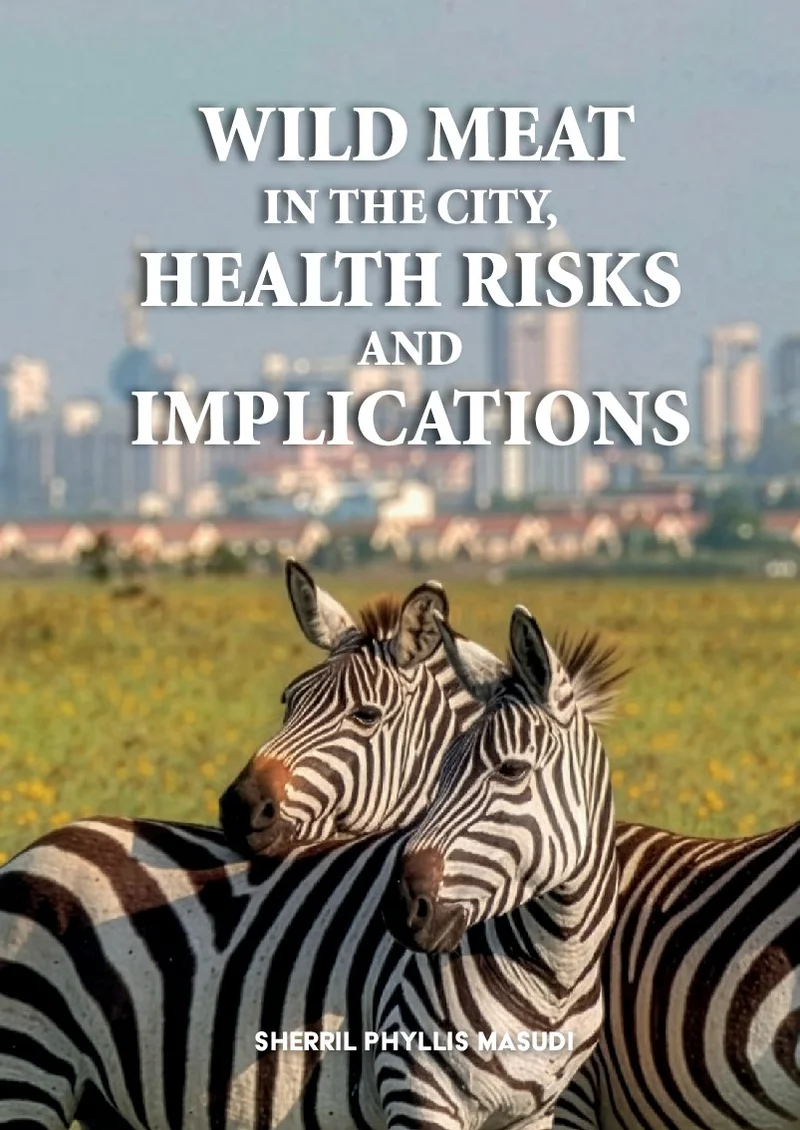
Sherril Phyllis
Wild meat in the city, health risks and implications
1 juni 2026
Wageningen University
Open Ebook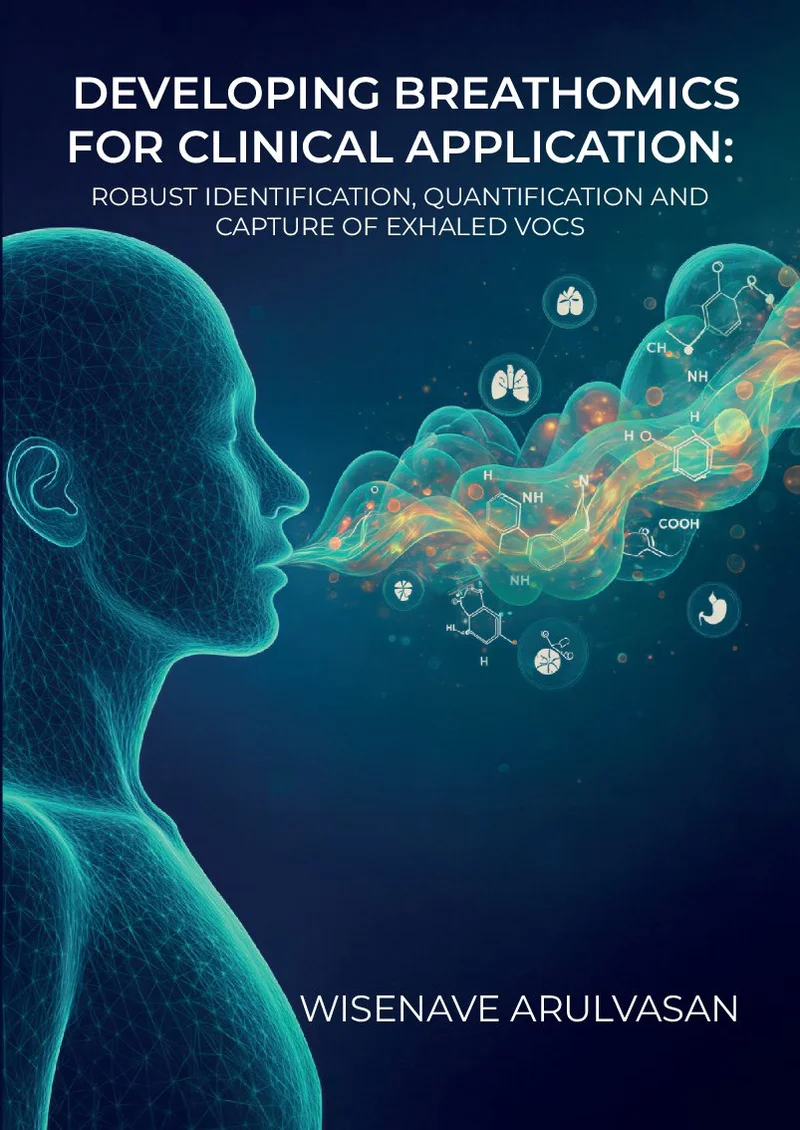
Wisenave Arulvasan
Developing Breathomics for Clinical Application
29 mei 2026
Universiteit Maastricht
Open Ebook

Evi Koene
Pharmacological inhibition of ketohexokinase in inborn and acquired metabolic disorders
4 juni 2026
Universiteit Maastricht
Open Ebook
Isaura Wayop
Enhancing antimicrobial stewardship in veterinary medicine
4 juli 2025
Universiteit Utrecht
Open Ebook
Lidongsheng Xing
Identifying Sound Features from Brain Activity
6 mei 2026
Universiteit Maastricht
Open Ebook
Hongchen Li
Microbubble Oscillations and Microstreaming
21 mei 2026
Erasmus Universiteit Rotterdam
Open EbookWe print for the following universities