Isaura Wayop
Enhancing antimicrobial stewardship in veterinary medicine
4 juli 2025
Universiteit Utrecht
Open Ebook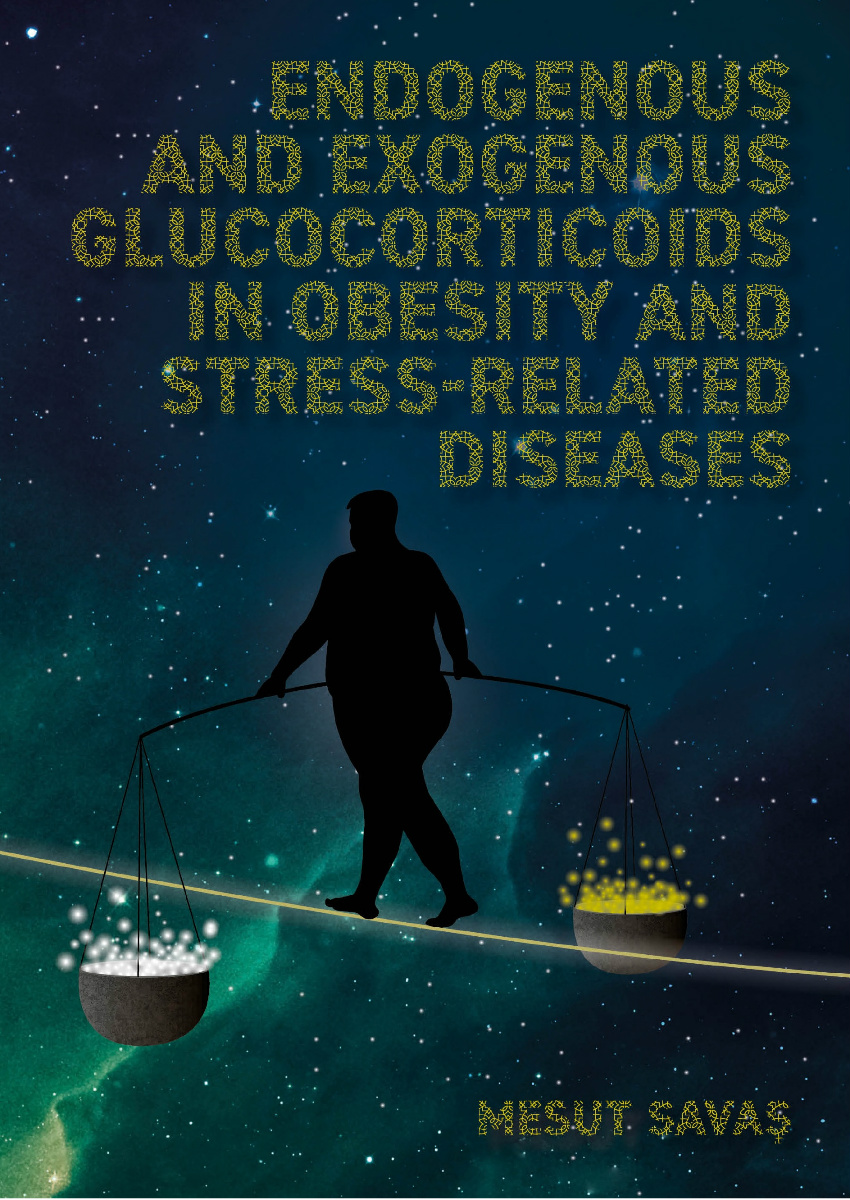
Share this project
Summary
Glucocorticoids, in particular the main effector hormone cortisol, are important endocrine regulators essential for a myriad of physiological and mental functions. The concentration and action of glucocorticoids, also known as stress hormones, is delicately controlled by the hypothalamus-pituitary-adrenal axis as well as through other means at different levels. The importance of this becomes clear giving that too much glucocorticoid action can have detrimental effects with respect to essentially every aspect of human functioning. There are various ways by which this can occur such as increased secretion of endogenous glucocorticoids as well as due to administration of corticosteroids, i.e. drugs which contain synthetic glucocorticoids. The metabolic effects, including the development of (abdominal) obesity, are of special interest since they are frequently observed with high glucocorticoid action and can increase the risk of comorbidities as type 2 diabetes mellitus, cardiovascular diseases, depression, and stroke. This becomes even more relevant giving the fact that the prevalence of obesity has taken pandemic proportions. In this thesis, we describe the findings of our scientific work in which we focus on endogenous and exogenous glucocorticoids and their role in obesity and stress-related diseases.
In chapter 1 we provide a general background into the field of endogenous and exogenous glucocorticoids. The synthesis of glucocorticoids, methods of quantification, the magnitude of corticosteroid use, the diverse adverse effects of glucocorticoids as well as the link with obesity are among the topics that are discussed.
Chapter 2 describes our findings of a comprehensive evaluation of potential obesogenic factors besides diet and physical activity in an adult cohort of 408 individuals with obesity. Interestingly, genetic analysis in participants suspected of a monogenic cause or syndromic obesity yielded a definitive diagnosis in 2.0% whereas 5.6% was found to carry likely pathogenic contributing genetic variants. Furthermore, nearly half of the complete cohort were using one or more drugs which are associated with weight gain and this especially included the use of corticosteroids. One in six individuals reported to have experienced period(s) of marked weight gain preceded by the use of obesogenic drugs among which corticosteroids were mentioned most frequently.
In chapter 3 we compared the recent use of corticosteroids in persons with obesity compared to individuals without obesity from two different cohorts. We found that overall corticosteroid use was twice more likely in the group with obesity. The largest differences were found for the use of local corticosteroids and especially for the inhaled types.
We subsequently investigated the associations between different corticosteroid forms with metabolic syndrome and body mass index in over 140.000 adults from the general population. In chapter 4 we describe our findings concerning significantly higher body mass index and waist circumference in users of inhaled corticosteroids from both sexes. Moreover, users of systemic as well as local corticosteroids, more specifically for the inhaled and nasal types, were more likely to have metabolic syndrome but only in female users. These findings were largely persistent in users of systemic and inhaled corticosteroids when stratified by menopausal status, inflammatory status, and obesity.
In chapter 5 we further elucidated the previous findings by investigating the role of glucocorticoid receptor polymorphisms related to a relative glucocorticoid resistance (ER22/23EK and 9β variants) or glucocorticoid hypersensitivity (BclI and N363S variants) in over 10.000 individuals from the adult general population. Overall, corticosteroid users harboring wild-type or glucocorticoid hypersensitive variants were more likely to have adverse anthropometric features in terms of increased body mass index, waist circumference, and increased presence of metabolic syndrome in comparison to nonusers with strongest associations found for users of inhaled types. The differences in users with glucocorticoid resistant variants were less pronounced and only reached statistical significance for waist circumference in users of inhaled corticosteroids.
In chapter 6 we extended the scope of potential adverse effects of exogenous glucocorticoids by investigating the link with executive cognitive functioning and neuropsychiatric disorders. In 83,592 adults from the same population-based cohort study, we analyzed outcomes on the Ruff Figural Fluency test (i.e. cognitive test for measuring nonverbal fluency as part of executive cognitive functioning) and the Mini-International Neuropsychiatric Interview survey. We found that corticosteroid use, especially of systemic and inhaled administration forms, was associated with lower executive cognitive functioning and was independent of inflammation as proxied by high-sensitive CRP. Overall corticosteroid use was also associated with a higher likelihood of mood and anxiety disorders. These associations were especially present in users of inhaled types and were independent of physical quality-of-life as assessed with the RAND-36 questionnaire.
With respect to quantifying endogenous glucocorticoid concentrations, we assessed the diagnostic efficacy of scalp hair glucocorticoids in the screening