Yussif Baba Kassim
Enhancing crop response to fertilization in northern Ghana
4 september 2026
Wageningen University
Open Ebook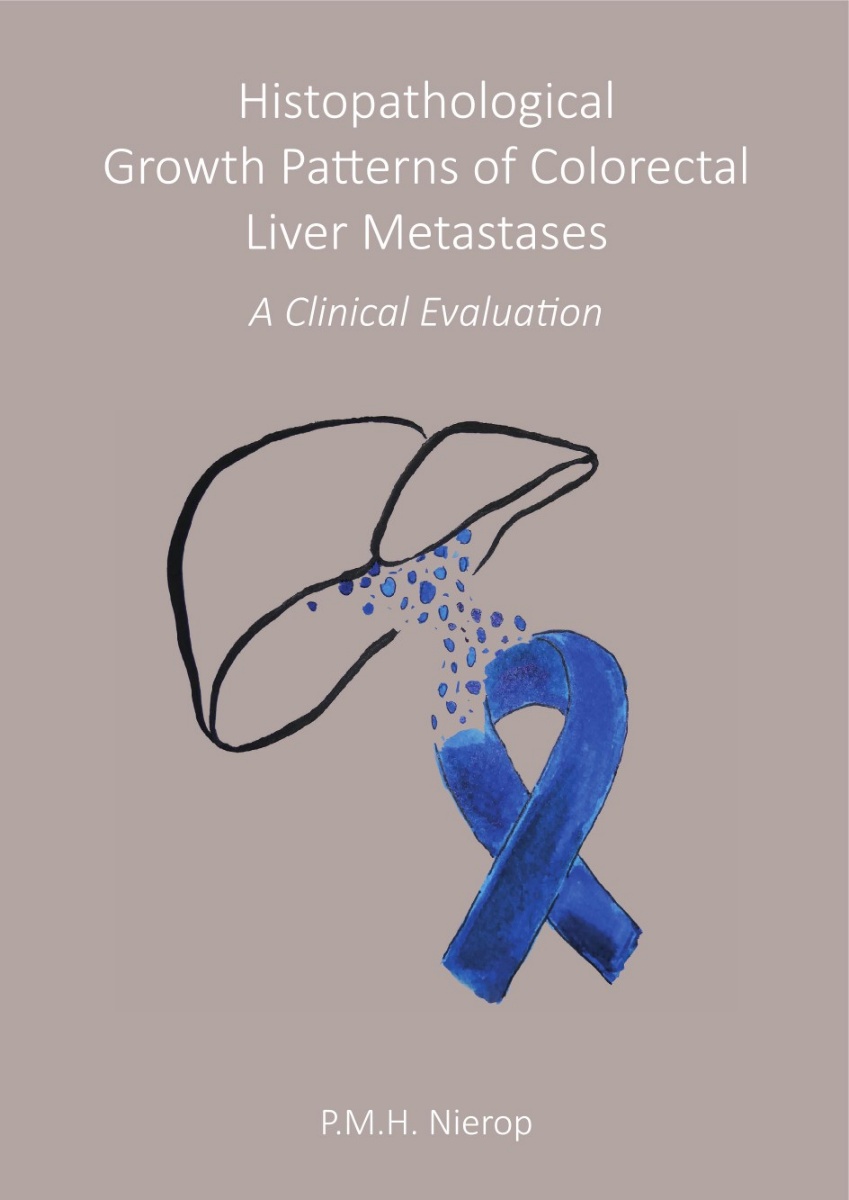
Share this project
Summary
GENERAL DISCUSSION
Metastatic spread to the liver is often seen in colorectal cancer (CRC) patients. In about one third of all CRC patients, colorectal liver metastases (CRLM) are found at some point in time. A part of this patient population is ineligible for surgical/local treatment of the CRLM and only treatments aimed life prolongation remain.
In practically all types of disease including, but not limited to, (solid) malignancies prognostic and predictive markers are of great relevance in order to adequately inform patients, personalise treatment and prevent undertreatment but –equally important– overtreatment as well. Prognostic markers distinguish a subset of patients within a population with a distinct course of a certain disease (without the influence of treatment) from the entire population with that disease. This is in contrast to predictive markers, which are to be used to define a subset within an entire disease population that will or will not respond to a certain treatment. Ideally – and not rarely – biomarkers in solid malignancies hold both prognostic and predictive value. Since the adoption of liver surgery as mainstay in the treatment of patients with resectable CRLM treating physicians have attempted to predict the potential benefit of a metastasectomy. However, prognosis prediction for patients undergoing hepatic resection for CRLM remains a contemporary problem. To that end several prognostication tools have been constructed. For these prognostication tools also the term “clinical risk scores (CRS)” is utilised. As the name implies, these scores evaluate clinical characteristics of the patients, the primary tumour and CRLM (e.g. nodal status of the primary tumour, number and size of the CRLM) to determine the risk for disease recurrence and/or death. Although these CRS may have seemed promising when first described, their reproducibility and therefore clinical applicability proved limited. The most commonly utilised CRS is the one developed by Fong and colleagues. The limited value of currently available CRS in general is underlined in several ways. Firstly, the most commonly used CRS was first described over two decades ago and thus evaluated patients operated for CRLM even before that time and may therefore not adequately reflect patients treated presently. Secondly, the reproducibility of the distinct CRS in external validation cohorts proved limited. Lastly, it was demonstrated that a considerable proportion of patients with a low clinical risk according to the CRS rapidly experience disease recurrence after CRLM resection, whereas an important proportion of patients with high clinical risk survives at ten years and can be considered cured. These findings together corroborate that the existing prognostication tools are of insufficient reliability to be used in clinical decision making. In addition, the aforementioned inconsistencies in prognostic discriminatory value of the existing CRS and other prognostication tools in patients with CRLM have prompted researchers to search for new biomarkers. The past two decades several novel biomarkers in CRC patients have described. Amongst others, mutational status of RAS or BRAF genes have been suggested as prognostic and predictive biomarkers in patients treated surgically for CRLM. In about 37% of CRC patients RAS mutations are seen and BRAF in approximately 5%. Patients with RAS or BRAF mutations undergoing resection of CRLM have worse prognosis than their counterparts with RAS and BRAF wild-type. In addition, monoclonal antibodies against the epidermal growth factor receptor (EGFR) only are effective in KRAS wild-type patients. This indicates that RAS mutational status holds both prognostic and predictive value. This finding has led to a modified CRS with the incorporation of the RAS mutational status, which outperformed the traditional CRS in terms of prognostic value. Due to its low incidence, little is known with regard to the relevance of a BRAF mutation in patients undergoing resection for CRLM. Some have questioned the benefit of CRLM resection and therefore its feasibility in patients with BRAF mutations due to the poor survival of patients treated with systemic chemotherapy in palliative setting and in (meta-analysis of) small series with limited follow-up of patients with BRAF mutations undergoing CRLM resection. However, it was recently demonstrated in a large multicentre study long-term overall survival can be achieved in patients with BRAF mutated CRLM. Despite these recent advances in knowledge about genetic biomarkers in CRLM patients none of the established CRS or genetic biomarkers currently impacts the decision making in the surgical treatment of patients with resectable CRLM. This underlines the need for novel prognostic and predictive biomarkers that are a proper reflection of tumour biology in patients with (potentially) resectable CRLM.
As liver resection for CRLM became accepted as standard of care towards the end of the previous millennium, higher quantities of CRLM tissue became available as more resections were performed. In contrast to the decades before then, as the presence of CRLM was often posed as a contraindication for surgical treatment. Around this period it became noted by several unrelated groups that different patterns of tumour growth could be distinguished when reviewing CRLM under the microscope. Different nomenclature was used in various parts of the world, but essentially describe the same types of growth patterns (GP). Nagashima and colleagues first described several different types of GPs: the invasive GP (subdivided in infiltrative and expansive), the marginal fibrosis GP and the lymphocytic infiltration GP. As the name implies, in the infiltrative GP liver plates are directly infiltrated by tumour cells. The expansive GP indicates that the tumour expands within the liver without the presence separating tissue, but does not infiltrate. In the marginal fibrosis GP the metastasis is separated from the liver parenchyma by fibrosis. The lymphocytic infiltration GP was given if copious amounts of lymphocytes and other inflammatory cells were seen around the metastasis. The infiltrative patterns was associated with worse prognosis after CRLM resection. Shortly thereafter, the currently most often utilised terms were first described consisting of the desmoplastic (d) histopathological growth pattern (HGP), the replacement (r) HGP and the pushing (p) HGP. HGPs describe the manner of growth of a CRLM at transition border from metastasis to liver parenchyma. In dHGP metastases are separated from the liver parenchyma by a fibrotic capsule consisting of desmoplastic stroma and a dense lymphocytic infiltrate is practically always present. The architecture of the liver parenchyma is not “preserved” and these metastases are dependent on neoangiogenesis for their blood supply. No direct contact between hepatocytes and tumour cells is observed. The rHGP owes its name to the fact that tumour cells “replace” hepatocytes while conserving the reticulin network of the parenchyma and thereby preserving the architecture of the liver. The rHGP is characterised by minimal neoangiogenesis, instead blood supply is acquired by means of vessel co-option. This means that the existing liver sinusoidal blood vessels falls victim to hostile takeover by the metastasis that thereby bypasses the need for newly formed vasculature. Intimate direct cell-cell contact is seen between hepatocytes and cancer cells. The pHGP describes a pattern of growth in which the liver cell plates are pushed aside, but infiltrative growth and desmoplastic stroma are absent. Some studies have suggested that dHGP is associated with superior prognosis when compared to replacement- and pushing-type tumours (i.e. non-desmoplastic type tumours (non-dHGP)). These non-dHGP tumours have been linked to aggressive tumour biology (e.g. increased cancer cell motility, non-angiogenic growth) and reduced infiltration of CD8+ immune cells, resulting in poor prognosis after resection of CRLM. Since the first description of HGPs they have been associated with prognostic value in various cohorts. These studies were of varying quality as sample size often was limited, as was the length of patient follow-up. In addition, these studies did not adequately differentiate between patients that were and were not treated preoperatively with systemic chemotherapy. Preoperative chemotherapy may influence the type of HGP observed, which could have biased the outcomes. Most importantly, they were executed before any consensus existed with regard to the manner of HGP determination. While HGPs of CRLM had been described for nearly two decades, consensus on how to systematically and uniformly assess them was lacking until recently. International consensus guidelines have provided a framework for HGP assessment in a uniform and replicable manner. The aforementioned indicates that the need existed for a large study on HGPs, adequately stratified for preoperative treatment and corrected for other known risk factors with long-term follow-up while the HGPs are determined in a replicable manner. An effort was made in Chapter 1 of the current thesis to fulfil this need. The study not only confirmed the prognostic value of HGPs in chemo-naive patients, but also showed that the presence, rather than its abundance, of any non-dHGP is sufficient to indicate impaired prognosis in patients with resected CRLM. This means that patients with pure dHGP have a relatively good prognosis compared to all other patients with (a proportion of) non-dHGP, making HGPs an “on/off phenomenon”. No additional prognostic impact of an increasing percentage of non-dHGP was observed. All studies regarding HGPs previously utilised an arbitrary cut-off point (e.g. >50% or >75%) to determine the “predominant” HGP. Similarly, the recent consensus paper advocates the 50% cut-off point for this purpose. However, given the findings of our study the results of all previous HGP studies, including those of the consensus paper, should be re-evaluated and future studies should take into account this on/off phenomenon rather than using arbitrary cut-off values. Importantly, the prognostic value in patients preoperatively treated with systemic chemotherapy was reduced while the presence of dHGP was higher in this subset of patients. This suggests that chemotherapy is either associated with a change in growth pattern or at least with a different patient selection. As the HGP currently can only be determined postoperatively, the possibility of truly evaluating the HGP within the same patient pre-and post-chemotherapy remains elusive at present. Apart from prognostic value, HGPs seem to hold predictive value as well since it was recently shown that HGPs might be utilised to predict the effectivity of systemic chemotherapy. Preoperative knowledge of the HGP would enable researchers to evaluate the conversion by chemotherapy hypothesis and clinicians to take the HGP into account when considering the administering of preoperative chemotherapy. This underlines the need for methods to preoperatively determine the HGP. In addition to the search for a less or non-invasive surrogate for HGP determination, validation of our findings should be sought for, preferably in randomised setting. Currently the only predictive biomarker approved in CRLM patients is the RAS mutational status, which is utilised for determining whether benefit is to be expected from administering anti-EGFR inhibitors. There is no such guiding instrument for regular systemic chemotherapy and fulfilment of this vacancy would have enormous clinical impact. The HGP has shown potential to fulfil this need. If the predictive value of HGPs could be validated prior to the discovery of non-invasive surrogates for HGP determination, the Dutch practice of only administering chemotherapy preoperatively when indicated and the indications on itself should be reconsidered.
The fact that HGPs possess both prognostic and predictive value makes them a promising biomarker within the field of CRLM treatment. However, prognostic and predictive characteristics are not the only necessities for a reliable and applicable biomarker. Knowledge on the replicability, learnability and its heterogeneity is also vital. In Chapter 2 these essential biomarker characteristics have been evaluated and HGPs were found to exhibit little heterogeneity and can be determined with a high diagnostic accuracy, making them a reliable and replicable histological biomarker. HGPs can be determined on ordinary haematoxylin and eosin stained tissue sections. This indicates no additional staining is required compared to routine pathology investigation of CRLM resection specimens. HGP determination has recently been standardised. The current chapter demonstrates that untrained researchers without prior pathology experience can rapidly learn to score the HGP reliably with a high diagnostic accuracy and experienced pathologist even more so. This in combination with the fact that no additional resources are needed to determine HGPs, makes them an ideal candidate to be included in routine pathology assessment of CRLM resection specimens.
The current thesis describes several efforts to evaluate HGPs in terms of clinical applicability in patients undergoing surgical treatment of CRLM. One of them handles about a prognostic factor that has been the subject of discussion for decades within the field of CRLM surgery: the hepatic resection margin. Positive margins (i.e. tumours cells present at the resection margin) have been suggested to be a reflection of underlying tumour biology rather than surgical technique. As the non-dHGP has been demonstrated to reflect tumour biology of resectable CRLM, it was hypothesised in Chapter 3 that patient with non-dHGP were at higher risk of positive resection margins. This hypothesis could be confirmed, but an increasing number of CRLM was also associated with a higher positive margins risk suggesting that not only tumour biology, but surgical technique as well may influence the risk of positive margins during CRLM resection. Preoperative determination of HGPs would clear the road for several personalised treatment possibilities in CRLM treatment. Amongst others, the surgical plan could be adapted according to an increased risk of an irradical resection seen in non-dHGP CRLM. Moreover, additional therapies aimed at treating occult metastases in the form of systemic or localised chemotherapeutic treatments could be utilised more frequently and more specifically in these patients as well. On the other hand, others might be spared from these additional treatments and their side-effects when the a priori chance of occult metastases is limited. This is obviously not limited to occult metastases at the resection margin, but also the case in patients with occult distant and/ or CRLM at time of first liver resection. In addition, this higher risk for positive margins might also impact other local treatment strategies for CRLM including ablative therapies. This has already been demonstrated for KRAS mutational status. Deduced from the higher positive margin rates in non-dHGP CRLM, a larger ablation zone might be justified in patients with non-dHGP CRLM. Despite advances in the treatment of CRLM the past few decades, the majority of patients experience recurrent disease with recurrences rates reaching over 70%. In an attempt to clarify the survival differences between CRLM patients with different HGPs, Chapter 4 describes the pattern of recurrence after first CRLM resection and the salvageability of the recurrence stratified for HGP. Patients with non-dHGP at first CRLM resection more often experienced multi-organ recurrence which were also less likely to be salvageable with local treatment modalities compared to their dHGP counterparts. In contrast to the resection margin, in this case the HGP is known which indicates that it can already be used to determine whether additional treatment might be beneficial. When dHGP is observed, localised treatment directed at occult disease in the liver might be considered as dHGP is associated with liver only recurrent disease. Additional systemic chemotherapy might be considered in case of non-dHGP as more often recurrent disease often is multifocal. Importantly, localised chemotherapeutic treatment strategies seem less favourable in case of non-dHGP CRLM for the same reason. The results with regard to recurrence pattern after first resection of CRLM and positive margins need validation, but are nonetheless promising in the sense that they might indicate future clinical applicability of HGPs in the management of patients with CRLM.
In patients with CRLM present at time of diagnosis of the primary tumour the dilemma of what to treat first emerges. An option is the liver-first approach – preoperative systemic chemotherapy followed by hepatic resection for CRLM and resection of the primary tumour as final procedure. A proportion of patients does not complete the treatment sequence with curative intent. Chapter 5 evaluated whether the non-completion of the liver-first treatment might be predicted. dHGP was found to be a strong predictor for the completion of the liver-first protocol with curative intent. As the liver resection is the first stage of this two-staged approach the HGP might be taken into account when considering the final stage: the lower pelvic surgery after chemoradiotherapy with its high morbidity rates. In case dHGP is observed at the liver resection, it might be justified to be more aggressive in order to complete the sequence, whereas a more conservative approach might be logical in case non-dHGP is seen. Importantly, the HGP might allow clinicians to inform patients more adequately with regard to the a prior chance of completion of the entire treatment sequence.
In Chapter 6 the potential influence of systemic preoperative chemotherapy on HGPs was studied by evaluating the distribution of the HGPs stratified for preoperative systemic treatment status in an original cohort, an external validation cohort and in a post-hoc analysis of a subset from the EORTC 40983 randomised controlled clinical trial. The results of this study support the HGP conversion by preoperative chemotherapy hypothesis postulated in Chapter 1. Previous studies, including the consensus paper, regarding the HGP did not adequately differentiate patients based on preoperative treatment status. The results in this chapter suggest that the dHGP after chemotherapy might be a different entity than the dHGP observed in chemo-naive patients. This might have induced erroneous categorisation of patients in previous work, possibly explaining the reduced prognostic discriminatory value after chemotherapy described in Chapter 1. This new insight should be taken into account in future research regarding HGPs. Lastly, in Chapter 7 the prognostic value HGPs was evaluated by means of a post-hoc analysis of the two prospective randomised controlled trials, the EPOC and the New EPOC trial in patients who received perioperative chemotherapy.
Future perspectives
HGPs of CRLM have been described for over 15 years, their assessment has recently been standardised and their prognostic value has been demonstrated in the current thesis and previous research. In addition, there is evidence to suggest that HGPs harbour predictive value as well. Several issues need to be addressed before clinical applicability of HGPs in the treatment of CRLM patients becomes reality. The consensus paper marked the beginning of standardised HGP assessment, making HGPs easily reproducible and readily available. The current thesis, however, has consequences for parts of the consensus paper. For instance, the results of Chapter 1 indicate that no cut-off for the determination of the predominant HGP should be used. In addition, The results of Chapters 1 and 6 suggest that there might be an effect of preoperative chemotherapy on the HGP observed. It appears that the proportion of dHGP is higher after chemotherapy, which might be explained by a conversion by chemotherapy. Obviously, validation of the results presented here are in need of validation. However, these findings together corroborate that it might be considered to re-evaluate and possibly update the consensus taking into account the results described in the current thesis. Several efforts are made to validate the predictive and prognostic value of HGPs in prospective setting. The gold standard for the validation of their predictive value would be a randomised controlled trial including patients with non-dHGP CRLM and randomly allocating them to receive postoperative systemic chemotherapy after CRLM resection or standard of care being follow-up only. Moreover, clinical applicability of HGPs should also be further evaluated in existing clinical trials. For instance in the ongoing PUMP trial. The current thesis demonstrates that patients with dHGP CRLM at first liver resection more often develop recurrences confined to the liver. This could indicate that these patients would benefit most from therapies directed solely at disease in the liver such as hepatic arterial infusion pump chemotherapy. Apart from validation, a truly important hurdle to take is that resection, at present, is a prerequisite for HGP determination. Preoperative knowledge of the HGP would allow more personalised treatment for CRLM patients. For example, patients with non-dHGP could be treated with preoperative chemotherapy or a wider resection margin could be aimed for in these patients as we know they are at higher risk for positive margins. In addition, knowledge of the HGP without resection would enable clinicians to also tailor treatment using HGPs in patients ineligible for CRLM resection. Several options for HGP determination without resection are currently being explored. Examples include computational radiomics and liquid biopsies such as circulating tumour cells and cell-free DNA. In addition, although its applicability for CRLM remains to be elucidated, the “electronic nose” has shown promising results for becoming a non-invasive, diagnostic tool for the detection of CRC. Future research not only should focus on finding an preoperative or non-invasive surrogate marker for HGPs, but should also aim to unravel the underlying biological mechanisms and genetic basis of HGPs. To that end, tumour and hepatic tissue (also specifically sampled for the HGP) was prospectively collected from all patients who provided informed consent and underwent resection of CRLM at the Erasmus MC Cancer Institute or one of the other participating centres throughout Europe. The tissue was subsequently whole genome sequenced and is currently being evaluated whether the genetic basis that underlies the HGP can be unravelled. Genetic pathways potentially important for HGPs and prognosis prediction in CRLM patient will subsequently be evaluated in animal studies in the near future. If the genetic basis of distinct HGPs would be exposed, this could be used in the search for non-invasive surrogate markers for HGPs. Ultimately, this would hopefully lead to a biomarker with true potential to influence clinical decision making in CRLM patients and thereby optimising treatment strategies.