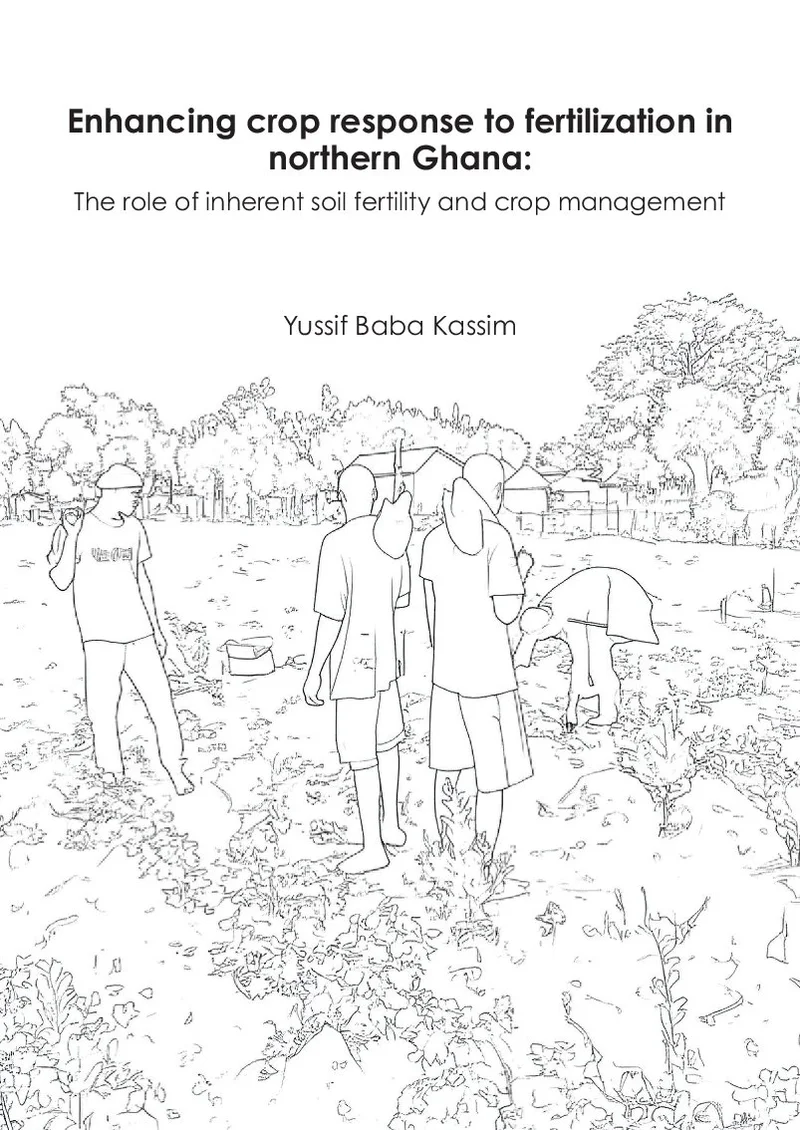
Yussif Baba Kassim
Enhancing crop response to fertilization in northern Ghana
4 september 2026
Wageningen University
Open Ebook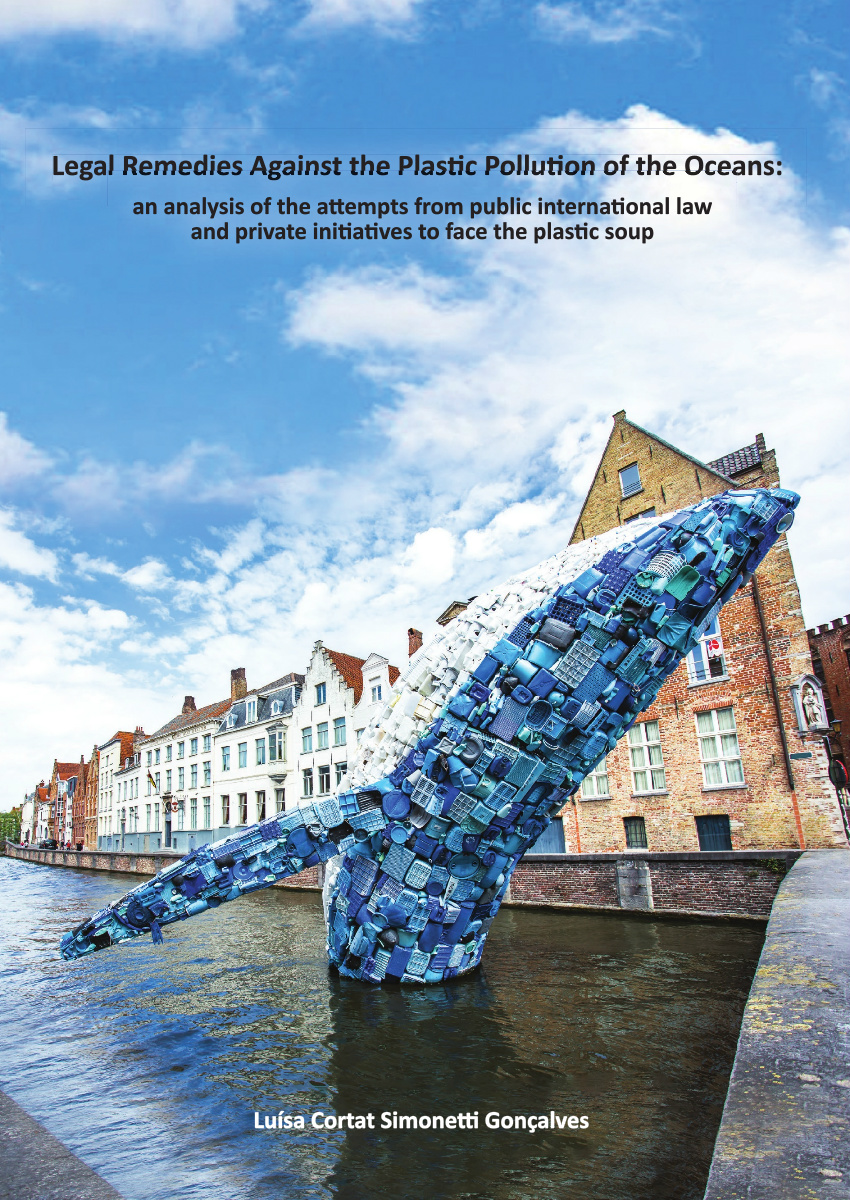
Share this project
Summary
The increasing amount of plastics being released in the environment, and specifically in the oceans, is alarming and with severe consequences to nature and to humankind. Plastic pollution is already the largest environmental harm caused by humankind, together with climate change. Data are alarming, with estimates that at least 8 million tons of plastic end in the oceans yearly, and that, if the pace continues, by 2050 there will be more plastics than fish in the oceans. Nevertheless, the production of plastics not only keeps increasing, by a growing rate, but it also increases faster than the world population growth. Many impacts of plastic pollution, especially on human health, are still unknown. However, research already shows that we are eating, drinking, and even breathing plastics. Besides, nature is suffering with countless harms, such as animal deaths by starvation and entanglement, destruction of coral reefs, transportation of invasive species, and the spread of toxic materials.
The legal field may contribute towards a solution in different levels, such as national, regional, and international, and from different perspectives of the problem. My thesis deals with the international approaches and the possibilities on how to construct a mix between public and private initiatives to address the problem of the plastic pollution in the oceans (or plastic soup), both from recovering the plastics that are already there and from preventing further pollution from entering the oceans.
In such a context, I conducted the research in four intermediate steps until arriving to the answer to the research question. The first step was understanding the current status of the plastic pollution in the oceans and which potential technical and technological solutions are being developed. The second step was to clarify the importance of international action, even for preventing further plastic pollution, and to highlight aspects to avoid common pitfalls in the North-South world dynamics. From there, the third step was to analyze the eleven international instruments – such as conventions, protocols, and agreements – that somehow relate to the plastic pollution problem. It made clear that international law, neither hard law nor soft law, yet provides convincing solutions. That, together with the fact that private companies are directly and greatly related to the problem, is the reason why the fourth step was to look at Corporate Social Responsibility (CSR) and other private initiatives to face the plastic soup. This fourth step was made through four case studies: (i) the New Plastic Economy; (ii) the Dutch Deals; (iii) the Dow Jones Sustainability Index; and (iv) companies reporting in general. It concluded that none of the four cases succeed in all of the indicators of effectiveness. Nonetheless, it also concluded on many positive aspects of those actions and why would companies indeed engage in the fight against the plastic soup.
The fifth step was, then, the final one. I applied economic tools to analyze the previous conclusion. It made it possible to summarize lessons learned into two aspects that may guide an effective start on how to construct a mix between public and private initiatives to face the plastic pollution in the oceans: (i) prioritizing sources and emissions to be addressed; (ii) enhancing the roles of governments, companies, and civil society. It finalizes proposing a mathematical, objective, approach for applying the conclusions to the practical challenges, through a simple equation.