Share this project
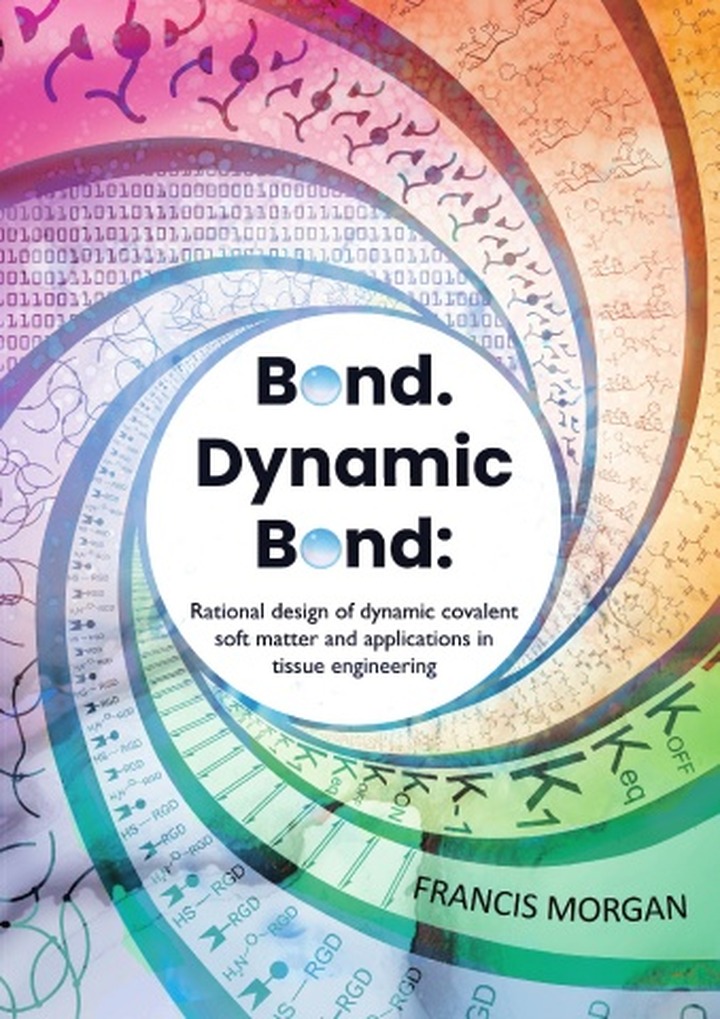
Francis Morgan
Universiteit Maastricht
Publication date: 14 januari 2025
University: Universiteit Maastricht
ISBN: 978-94-6510-407-2
Bond. Dynamic bond
Summary
The work presented in this thesis focuses on the development of chemical approaches to engineering the mechanical properties of hydrogels. Fundamentally, a hydrogel’s mechanical properties are dictated by the nature and density of network junctions and network entanglements. Traditional approaches vary these parameters simultaneously by changing inputs such as the polymer molecular weight, degree of functionalization, and mass content. Here, we leverage dynamic covalent chemistry to exert independent control over chemical network junctions (crosslinks), enabling access to new combinations of mechanical properties. As the state of a dynamic covalent crosslink can be defined by the rate and equilibrium constants (RECs), there is an explicit relationship between these molecular RECs and the macroscopic polymer (hydrogel) network, and the resulting, macroscopic mechanical properties.
Notably, specific mechanical regimes are sought after for many diverse applications. For example, bioinks require shear-thinning and self-healing behaviors for processability while maintaining constant rigidity for cell-instructive potential, whereas mechanobiological platforms need to decouple different (bio)mechanical cues such as rigidity and viscoelasticity, and recyclable chemical systems need matrices that can be disassembled and recovered.
The present work advances the rational engineering of hydrogel mechanics in multiple significant ways. First, by enabling the translation of model studies to practical systems, dynamic covalent crosslinks are a more accessible and predictive tool for the soft matter community. This is achieved by the quantitative determination of RECs for a series of common functions using both small molecules and macromers, highlighting how quantitative values differ between model and practical systems. An accompanying model to predict changes in hydrogel mechanics from knowledge of RECs is developed, and the impact of macromer length and valency on network topography and resulting hydrogel mechanics is explored. Second, by combining multiple dynamic covalent crosslinkers, it is shown that sub-stoichiometric mixed crosslinker systems may access intermediate mechanical regimes between the individual dynamic crosslinkers. This approach is then validated by developing a 3D-printable bioink which retains processability while guiding fibroblast morphology. Third, the integration of dynamic network junctions into double network hydrogels reveals that cells are sensitive to local network strand behavior, which is not always well-represented by bulk mechanical measurements. Finally, given the predominance of natural biopolymeric macromers, which suffer from heterogeneity and potential degradation routes, a chemically well-defined synthetic macromer is synthesized and validated as an alternative.
This thesis updates the molecular-scale toolbox of dynamic covalent chemistry, highlights novel and predictive approaches to rationally targeting mechanical hydrogel properties, and will be of use for the preparation of next-generation soft matter with specific sets of mechanical behaviors.
Scientific publications included in this thesis
• Morgan, F. L. C.; Joris, V.; Aldana, A. A.; Moroni, L.; van Griensven, M.; Baker, M. B. Injectable double network hydrogels with selectively cell-adhesive static or dynamic networks modulate the hMSC secretome for enhanced mineralization. Manuscript in preparation.
• Morgan, F. L. C.; Moroni, L.; Baker, M. B. Effect of cross-linker length and valency on dynamic hydrogel networks: decoupling rate and equilibrium constants from topology in hydrazone based synthetic hydrogel networks. Manuscript under review.
• Morgan, F. L. C.; Beeren, I. A. O.; Bauer, J.; Moroni, L.; Baker, M. B. Structure–Reactivity Relationships in a Small Library of Imine-Type Dynamic Covalent Materials: Determination of Rate and Equilibrium Constants Enables Model Prediction and Validation of a Unique Mechanical Softening in Dynamic Hydrogels. J. Am. Chem. Soc. 2024, 146 (40), 27499–27516. https://doi.org/10.1021/jacs.4c08099.
• Beeren, I. A. O.; Morgan, F. L. C.; Rademakers, T.; Bauer, J.; Dijkstra, P. J.; Moroni, L.; Baker, M. B. Well-Defined Synthetic Copolymers with Pendant Aldehydes Form Biocompatible Strain-Stiffening Hydrogels and Enable Competitive Ligand Displacement. J. Am. Chem. Soc. 2024, 146 (35), 24330–24347. https://doi.org/10.1021/jacs.4c04988.
• Aldana, A. A.; Morgan, F. L. C.; Houben, S.; Pitet, L. M.; Moroni, L.; Baker, M. B. Biomimetic Double Network Hydrogels: Combining Dynamic and Static Crosslinks to Enable Biofabrication and Control Cell-Matrix Interactions. J. Polym. Sci. 2021, 59 (22), 2832–2843. https://doi.org/10.1002/pol.20210554.
• Morgan, F. L. C.; Fernández-Pérez, J.; Moroni, L.; Baker, M. B. Tuning Hydrogels by Mixing Dynamic Cross-Linkers: Enabling Cell-Instructive Hydrogels and Advanced Bioinks. Adv. Healthc. Mater. 2021, 11 (1), 2101576. https://doi.org/10.1002/adhm.202101576.
• Morgan, F. L. C.; Moroni, L.; Baker, M. B. Dynamic Bioinks to Advance Bioprinting. Adv. Healthc. Mater. 2020, 9 (15), 1901798. https://doi.org/10.1002/adhm.201901798.
Outside of this thesis
• Brentjens, L. B. S.; Obukhova, D.; Delvoux, B.; Hartog, J. e. den; Bui, B. n.; Mol, F.; Bruin, J. p. de; Besselink, D.; Teklenburg, G.; Morgan, F. L. C.; Baker, M.; Broekmans, F. J.; Golde, R. j. t. van; Esteki, M. Z.; Romano, A. Local Production of N7B-Estradiol in the Endometrium during the Implantation Window: A Pilot Study. Reprod. Fertil. 2023, 4 (4). https://doi.org/10.1530/raf-23-0065.
• Decarli, M. C.; Seijas-Gamardo, A.; Morgan, F. L. C.; Wieringa, P.; Baker, M. B.; Silva, J. V. L.; Moraes, Â. M.; Moroni, L.; Mota, C. Bioprinting of Stem Cell Spheroids Followed by Post-Printing Chondrogenic Differentiation for Cartilage Tissue Engineering. Adv. Healthc. Mater. 2023, 12 (19), 2203021. https://doi.org/10.1002/adhm.202203021.
• Ruiter, F. A. A.; Morgan, F. L. C.; Roumans, N.; Schumacher, A.; Slaats, G. G.; Moroni, L.; LaPointe, V. L. S.; Baker, M. B. Soft, Dynamic Hydrogel Confinement Improves Kidney Organoid Lumen Morphology and Reduces Epithelial–Mesenchymal Transition in Culture. Adv. Sci. 2022, 9 (20), 2200543. https://doi.org/10.1002/advs.202200543.
• Kuhnt, T.; Morgan, F. L. C.; Baker, M. B.; Moroni, L. An Efficient and Easily Adjustable Heating Stage for Digital Light Processing Set-Ups. Addit. Manuf. 2021, 46, 102102. https://doi.org/10.1016/j.addma.2021.102102.
• Geuens, T.; Ruiter, F. A. A.; Schumacher, A.; Morgan, F. L. C.; Rademakers, T.; Wiersma, L. E.; van den Berg, C. W.; Rabelink, T. J.; Baker, M. B.; LaPointe, V. L. S. Thiol-Ene Cross-Linked Alginate Hydrogel Encapsulation Modulates the Extracellular Matrix of Kidney Organoids by Reducing Abnormal Type 1a1 Collagen Deposition. Biomaterials 2021, 275, 120976. https://doi.org/10.1016/j.biomaterials.2021.120976.
• Malheiro, A.; Morgan, F. L. C.; Baker, M.; Moroni, L.; Wieringa, P. A Three-Dimensional Biomimetic Peripheral Nerve Model for Drug Testing and Disease Modelling. Biomaterials 2020, 257, 120230. https://doi.org/10.1016/j.biomaterials.2020.120230.
• Ooi, H. W.; Kocken, J. M. M.; Morgan, F. L. C.; Malheiro, A.; Zoetebier, B.; Karperien, M.; Wieringa, P. A.; Dijkstra, P. J.; Moroni, L.; Baker, M. B. Multivalency Enables Dynamic Supramolecular Host–Guest Hydrogel Formation. Biomacromolecules 2020, 21 (6). https://doi.org/10.1021/acs.biomac.0c00148.
• Hafeez, S.; Ooi, H.; Morgan, F. L. C.; Mota, C.; Baker, M.; Moroni, L.; van Blitterswijk, C.; Dettin, M. Viscoelastic Oxidized Alginates with Reversible Imine Type Crosslinks: Self-Healing, Injectable, and Bioprintable Hydrogels. Gels 2018, 4 (4), 85. https://doi.org/10.3390/gels4040085.
• Chen, K.; Barker, A. J.; Morgan, F. L. C.; Halpert, J. E.; Hodgkiss, J. M. Effect of Carrier Thermalization Dynamics on Light Emission and Amplification in Organometal Halide Perovskites. J. Phys. Chem. Lett. 2015, 6 (1), 153–158. https://doi.org/10.1021/jz502528c.
Scientific communication
Invited talks
2024 – Virginia Tech, Blacksburg, USA. “Bond. Dynamic bond: Rational design of dynamic covalent hydrogels and applications in tissue engineering”
2023 – RMeS INSERM, Nantes, France. “Dynamic Covalent Hydrogels: From Molecular Design to Applications”
Oral presentations
2022 – American Chemical Society (ACS). “From molecular constants to hydrogel mechanics: Engineering tunable dynamic Schiff base hydrogels enables 3D bioprinting”
2022 – European Society for Biomaterials (ESB). “Molecular constants of reversible Schiff base formation: How to design dynamic hydrogels from the bottom up”
2021 – Tissue Engineering and Regenerative Medicine International Society (TERMIS). “From molecular constants to macroscopic mechanics: Tunable oxidized alginate hydrogels using mixed dynamic crosslinkers”
2021 – European Society for Biomaterials (ESB). “Tuning dynamic hydrogels via molecular engineering: Equilibria constants in Schiff base hydrogels”
2021 – Chemistry as Innovating Science (CHAINS). “Molecularly engineering hydrogel mechanics: designing tunable dynamic hydrogels”
Poster presentations
2020 – Chemistry as Innovating Science (CHAINS). “Molecular constants to cell responses: engineering ECM-like hydrogels”
2020 – World Biomaterials Conference (WBC). “From molecular constants to cell responses: engineering ECM-like hydrogels”
2019 – European Society for Biomaterials (ESB). “Tuning viscoelastic hydrogels by mixing dynamic crosslinkers”
2019 – Brightlands Materials Center (BMC) Partner Event. “Modulating the Printability of Bioinks through Catalyzed Imine Crosslinking”
2018 – Chemistry as Innovating Science (CHAINS). “Modulating the Printability of Bioinks through Catalyzed Imine Crosslinking”
Patents
WO2020070244 / EP4425752 – Hydrogels for organoid culture.
PCT/EP2024/054400.4 – Synthetic hydrogels with pendent aldehydes and hydrogels thereof.
Communication, grants, awards, education and supervision
Grants
In collaboration with three other colleagues, we received €10000 in 2020 from the Excalibur fonds (part of Universiteitsfonds Limburg/SWOL) to develop an education application (“CHEMERA”) for learning organic chemistry through gamification.
Successful €50000 Open Mind Grant by NWO in 2020 to work on conductive materials to improve the treatment of spinal cord injuries.
Awards
2022 – Best Oral Presentation at the European Society for Biomaterials (ESB) Conference
2018 – Best Rapidfire Presentation, MERLN PhD Symposium
Education and supervision
Education
2018–2024 – Organic chemistry
2020 – Biomedical Engineering
2018 – Introduction to chemistry
Supervision
Marta Redondo (2019) | Hydrogel-based bioinks for regenerative medicine
On fait la science avec des faits, comme on fait une maison avec des pierres : mais une accumulation de faits n'est pas plus une science qu'un tas de pierres n'est een maison.
— Henri Poincaré
Biography
Francis was born on the 24th December 1991 in London, but grew up in Whanganui, a small city on the west coast of the north island of New Zealand. The decision of what studies to pursue at university was difficult, as he was extremely curious about how things worked, leading to a strong focus on STEM, but he also enjoyed learning different languages and cultures. Ultimately, he pursued a bachelor’s degree in biotechnology and chemistry at Victoria University of Wellington, later adding a minor in French and graduating in 2014. During this undergraduate period, Francis secured several summer research scholarships to explore different scientific fields, working on projects including altering the substrate profile of genetically modified proteins, the preparation of novel nanoparticles, and studying the photovoltaic properties of hybrid perovskite thin films.
Francis concluded his bachelor’s degree with an exchange program to the Université de La Rochelle in France, where he spent a year completing various science courses and learning the French language. Following this exchange, Francis chose to remain in France and pursued a Master’s in Chemistry and Materials Science Engineering at the Université de Lyon, with a specialization in biomaterials. His master’s thesis investigated the formation of natural polyelectrolyte complexes as novel biomaterials.
When looking for a PhD, Francis sought a project that combined synthetic organic chemistry, materials science, and biological applications. In 2018, he was fortunate to find the opportunity to begin such an interdisciplinary project under (now) Associate Professor Dr. Matthew B. Baker and Professor Lorenzo Moroni at the MERLN Institute for Technology-Inspired Regenerative Medicine at Maastricht University. His doctoral work leveraged dynamic (reversible) covalent chemistry to engineer hydrogels with targeted mechanical behaviors and expanded the toolbox available for rationally engineering dynamic soft matter; this was achieved through a combination of fundamental studies, model development, and valorization by producing a novel bioink.
Francis began working as a post-doctoral researcher at MERLN in 2024 to valorize the biomaterials he had developed in different contexts and will move to Germany to begin a new post-doctoral research line focusing on the development of novel conductive hydrogels at the beginning of 2025. He hopes that this research will facilitate future work on the creation of implantable bioelectronic devices and soft interfaces between human physiology and programmable technologies.
See also these dissertations
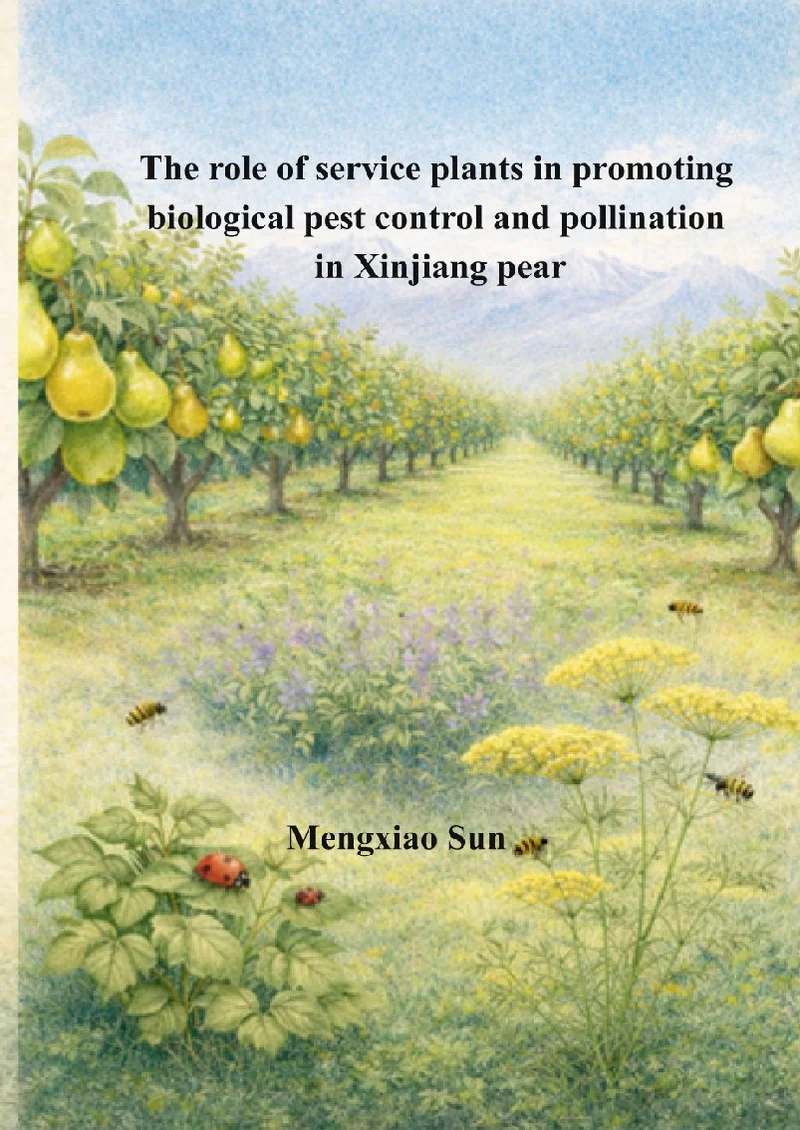
Mengxiao Sun
The role of service plants in promoting biological pest control and pollination in Xinjiang pear
3 juni 2026
Wageningen University
Open Ebook
Sherril Phyllis
Wild meat in the city, health risks and implications
1 juni 2026
Wageningen University
Open Ebook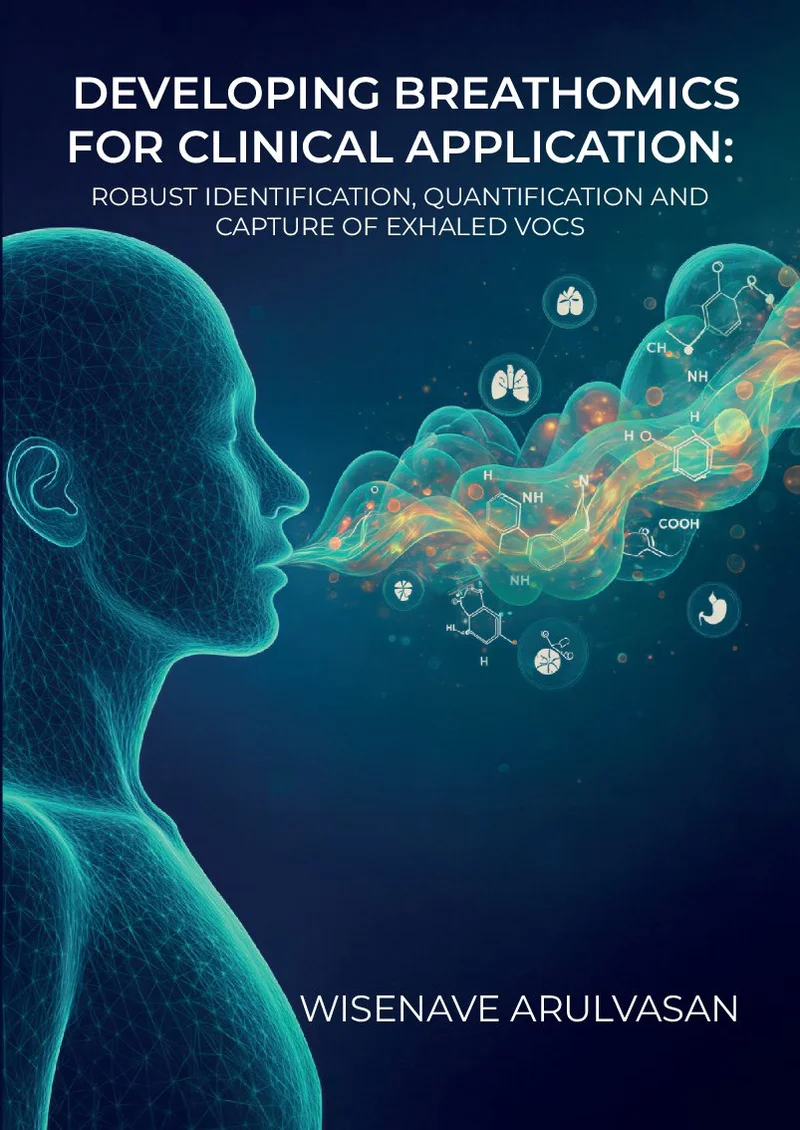
Wisenave Arulvasan
Developing Breathomics for Clinical Application
29 mei 2026
Universiteit Maastricht
Open Ebook
Evi Koene
Pharmacological inhibition of ketohexokinase in inborn and acquired metabolic disorders
4 juni 2026
Universiteit Maastricht
Open Ebook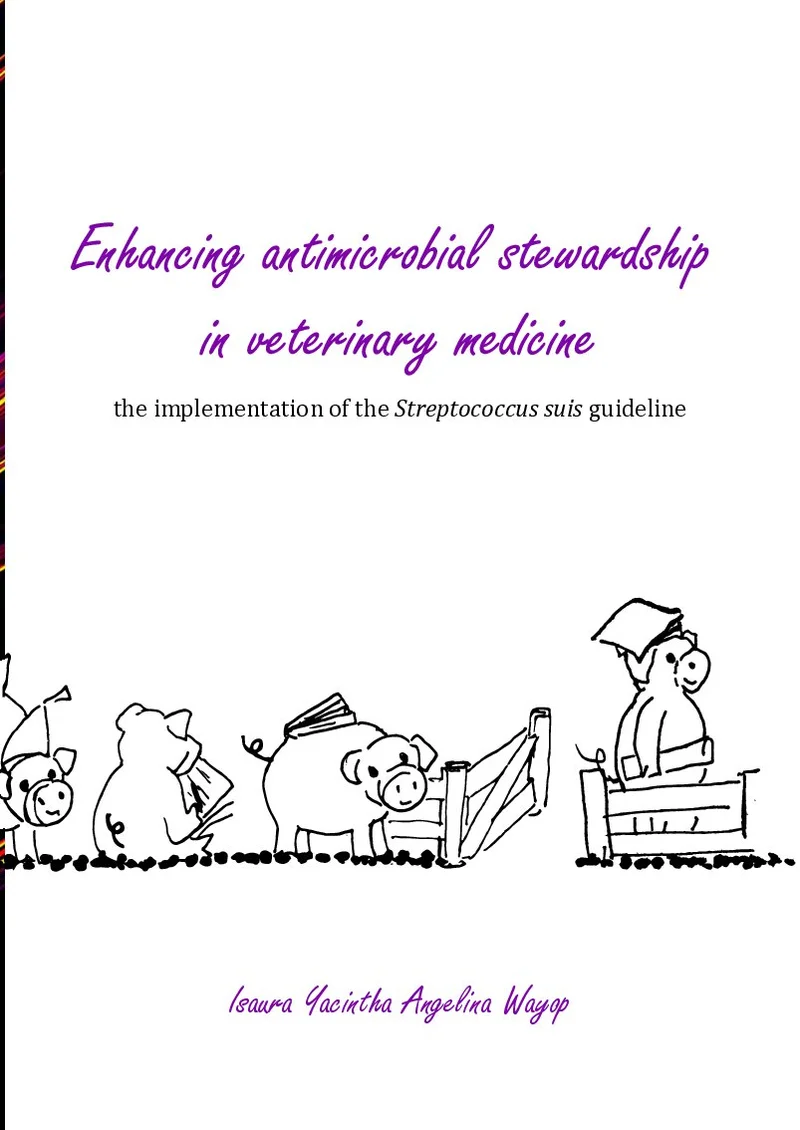
Isaura Wayop
Enhancing antimicrobial stewardship in veterinary medicine
4 juli 2025
Universiteit Utrecht
Open Ebook
Lidongsheng Xing
Identifying Sound Features from Brain Activity
6 mei 2026
Universiteit Maastricht
Open Ebook
Hongchen Li
Microbubble Oscillations and Microstreaming
21 mei 2026
Erasmus Universiteit Rotterdam
Open EbookWe print for the following universities