Share this project
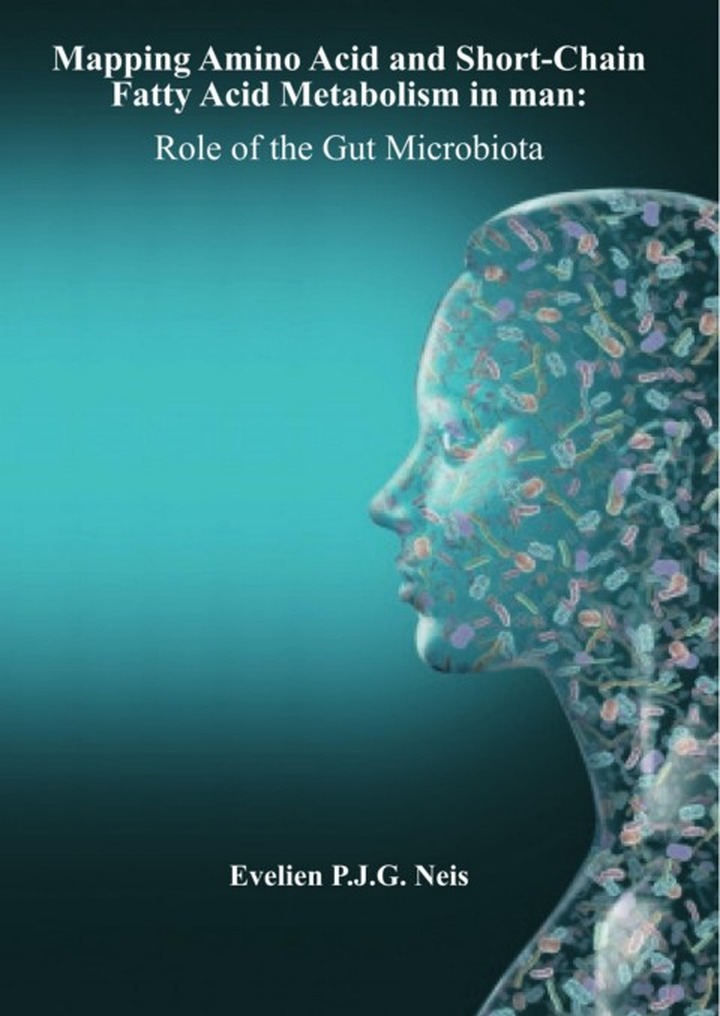
Evelien Neis
Universiteit Maastricht
Publication date: 23 oktober 2019
University: Universiteit Maastricht
ISBN: 978-94-6380-518-6
Mapping Amino Acid and Short-Chain Fatty Acid Metabolism in man
Summary
Obesity has grown to epidemic proportions worldwide and is strongly related to type 2 diabetes, heart disease, and several types of cancer. In a few years, global obesity prevalence will reach 18% in men and surpass 21% in women while severe obesity will surpass 6% in men and 9% in women. As such, the obesity epidemic is becoming a major driver of future healthcare costs internationally. Besides, it also affects worker productivity and could constrain future economic development if not effectively addressed. In order to counter this obesity epidemic, there is an urgent need to understand the mechanisms underlying the development of obesity and its progression.
It is known that the fundamental cause of obesity and overweight arises from an energy imbalance; an increased intake of energy-dense foods high in fat in combination with a decrease in physical activity. However, recent studies also demonstrated an essential role for the gut microbiota in the development of obesity and its comorbidities. In fact, the functional output of the gut microbiota, in particular short-chain fatty acids and amino acids, seems to affect metabolic homeostasis profoundly. Therefore, changing the gut microbiota composition and its metabolic activity is considered an attractive option to tackle diseases. However, evidence concerning the metabolic effects of microbial products in humans is rather scarce. This thesis therefore focuses on the role of gut microbial dysbiosis in the aetiology of obesity, with particular interest in the fate of microbial products in the human body.
The main goals of this project were to explore the impact of antibiotics on the gut microbial composition in the short versus the long term and to study whether manipulation of the gut microbiota impacts host metabolism. In addition, the impact of antibiotics on gut-derived microbial products, in particular the branched-chain amino acids, was assessed. Finally, the interorgan exchange of microbial products was assessed in a human setting.
Chapter 2 reviews the available evidence on the contribution of microbial amino acids to host amino acid homeostasis, and the role of the gut microbiota as a determinant of amino acid and short-chain fatty acid perturbations in human obesity and type 2 diabetes mellitus. As part of the major nutrients in the diet, amino acids should be particularly taken into account since they not only support the growth and survival of bacteria in the gastrointestinal tract, but also regulate energy and protein homeostasis in multicellular organisms. An early study by Whitt and colleagues already contributed to the hypothesis that gut bacteria may play an important role in host amino acid homeostasis and health by showing that germ free mice had an altered distribution of free amino acids along the gastrointestinal tract as compared to conventionalized mice. Along the gastrointestinal tract, alimentary and endogenous proteins are hydrolyzed into peptides and amino acids by host- and bacteria-derived proteases and peptidases. The released peptides and amino acids can be further utilized by both gut bacteria and the host or serve as precursors for the synthesis of short-chain fatty acids, which play a role in the development of obesity. As a consequence, the disruption in gut microbiota composition that has been implicated in the pathogenesis of obesity, insulin resistance, and type 2 diabetes mellitus may alter the bioavailability of amino acids to the host. This could have significant implications in the context of insulin resistance and type 2 diabetes mellitus, conditions characterized by elevated systemic concentrations of certain (precursor) amino acids, in particular the aromatic and branched-chain amino acids. The altered bacterial composition in the gut as observed in obese subjects with type 2 diabetes may therefore play a major role in their metabolic derangements by influencing amino acid and SCFA bioavailability to the host.
In Chapter 3, it is shown that a seven-day antibiotic treatment affected gut microbiota composition although it did not significantly affect host metabolism in 57 obese, insulin resistant males as compared to a placebo group. Subjects were randomly assigned to ingest 1500mg/day amoxicillin (AMOX; broad-spectrum antibiotic), vancomycin (VANCO; aimed at Gram-positive bacteria), or placebo (PLA; microcrystalline cellulose) for 7 days. Surprisingly, this short-term antibiotic treatment did neither affect whole-body insulin sensitivity nor hepatic, peripheral, or adipose tissue insulin sensitivity. The same lack of effect was found for fasting and/or postprandial energy expenditure, energy harvest, and substrate utilization as well as gut permeability. In addition, no significant changes in circulating glucose, insulin, triacylglycerol, free fatty acids, GLP-1, leptin, and lipopolysaccharide binding protein (LBP) concentrations were observed. Nonetheless, a pronounced decrease in bacterial diversity and a reduction of Firmicutes abundance upon VANCO treatment was found, but not upon AMOX treatment. Consequently, decreased plasma and/or fecal concentrations of SCFA and bile acid metabolites were observed. Despite the fact that the altered microbial composition was still present at 8 weeks follow-up, no significant effect on human metabolism at this timepoint was detected. In conclusion, these data demonstrated that manipulation of the human gut microbiota composition in obese, insulin resistant men by antibiotics did not profoundly affect host metabolism. The lack of metabolic effects could be related to the short exposure to antibiotics, as compared with the time needed to affect host metabolism. Another interesting point to address is that this study investigated metabolically compromised individuals but also used an array instead of deep sequencing methods to profile the gut microbiota, potentially ignoring changes in bacteria not represented by corresponding probes. In view of these data, there is a need for longer term intervention studies in humans with state-of-the-art microbiota analysis techniques to investigate if gut microbiota manipulations can contribute to altered human metabolism during obesity.
Chapter 4 focused on the effects of short-term antibiotic treatment on plasma amino acid levels since there is an increasing body of evidence that bacterial amino acids are important modulators underlying the development of obesity. This study demonstrated that AMOX treatment specifically increased plasma BCAA levels compared to PLA, whilst VANCO treatment did not show any significant effects on plasma BCAA levels. Importantly, only VANCO treatment affected the gut microbial composition significantly with a decrease in the relative abundance of mainly Gram-positive bacteria of the Firmicutes phylum. Conversely, Gram-negative bacteria showed an increased relative abundance after VANCO treatment. Since intestinal bacteria can degrade BCAA, it may be possible that the shift in the gut microbiota composition upon VANCO treatment is responsible for a higher degradation of BCAA in that group. In fact, bacteria harbor highly active peptidases. Regarding the colon, it appears that amino acids including lysine, arginine, glycine, and the BCAA leucine, valine, and isoleucine are the preferred substrates of colonic bacteria. Whether this influenced host BCAA availability remains to be determined. As such, future studies should explore the mechanisms driving altered BCAA concentrations by short-term antibiotics treatment and its relationship with insulin resistance. As mentioned before, the use of a microarray in our study to profile the gut microbiota may have prevented the detection of certain microbial changes in the AMOX group that could be related to increased BCAA concentrations.
Since knowledge about the exchange of amino acids across abdominal organs in humans is scarce, a comprehensive overview of human amino acid metabolism is given in Chapter 5. In view of the increasingly acknowledged role of the gut microbiota in amino acid metabolism and energy metabolism, special attention was paid to the differences in amino acid handling between the large intestine and the small intestine. The inter-organ trafficking of amino acids was investigated in a surgical setting in which twenty patients underwent upper abdominal surgery. During surgery, blood was simultaneously sampled from the radial artery and several veins (portal vein, hepatic vein, superior mesenteric vein, inferior mesenteric vein, splenic vein, renal vein). This provided the opportunity to quantify the contribution of the distal ileum together with the proximal colon, distal colon, portal drained viscera, splanchnic area, liver, spleen, and kidneys in producing or extracting amino acids. The data revealed that the well-known intestinal glutamine-citrulline pathway appears to be functional in the distal ileum and proximal colon but not in the distal colon. The overall finding that the distal colon only showed minor arteriovenous differences is interesting in view of the suggested role of colonic bacteria in amino acid metabolism. It may well be that amino acids are not significantly absorbed by the colonic mucosa, but rather intensively metabolized by the colonic microbiota. Partly due to differences in microbiota abundance and composition along the gastrointestinal tract, bacterial amino acid metabolism in the gut is likely to be compartment specific. In light of the health claims of pre- and probiotics, the current study provided a detailed picture of the physiology of human amino acid metabolism. As a follow-up to this study and the ever increasing interest in functional foods that affect the composition of the gut microbiota and its functional output, the inter-organ handling of SCFA in this unique human model was also investigated, and presented in Chapter 6. It appears that the distal colon is the major releasing site of SCFA in vivo in humans followed by the proximal colon which contributed only a third of the SCFA release by the distal colon into the systemic circulation. This may indicate that a larger part of SCFA are metabolized by the intestinal mucosa of the proximal colon as most SCFA production occurs in this part of the colon. The fact that the gut microbiota composition and activity differ between the proximal and distal colon may contribute to the present findings. Additionally, it is known that the SCFA receptors GPR41 and GPR43 are mainly expressed in the distal ileum and ascending colon. Hence, a recent study indicated the distal colon to be the most suitable location to elicit beneficial effects for host metabolism as distal, not proximal, administered acetate induced a pronounced increase in fasting fat oxidation and circulating concentrations of the satiety-stimulating hormone peptide YY. Taken together, these findings may give leads for the development of nutritional strategies and food products specifically modulating SCFA production in the distal part of the colon, thereby beneficially affecting metabolic health. Finally, intestinally produced SCFA did not escape the splanchnic area as concluded by hepatic vein concentrations indicating efficient hepatic clearance of SCFA.
As the liver turned out to be an important organ scavenging nearly all SCFA within the circulation, the question arose what impact a situation of acute loss of liver function would have on systemic SCFA concentrations. High systemic concentrations of butyrate, for example, can cause side effects such as hypokalemia and nausea. In Chapter 7, hepatic SCFA clearance was studied upon an acute, although controlled, loss of liver function in humans. In this study, blood was sampled from the radial artery, portal vein, and hepatic vein before and after hepatic resection in 30 patients undergoing partial liver resection. It was shown that the gut produced significant amounts of acetate, propionate, and butyrate, which did not change after partial hepatectomy. Whereas hepatic propionate uptake did not differ significantly before and after resection, hepatic acetate and butyrate uptake increased significantly upon partial liver resection. As such, arterial SCFA concentrations were not different before and after partial liver resection. In conclusion, acute hepatic tissue loss did not influence systemic concentrations of SCFA, implying that the liver has a large reserve capacity to metabolize propionate, acetate, and butyrate to prevent any increase of arterial concentrations. This was underscored by the increased hepatic uptake of acetate and butyrate after partial liver resection which, in turn, may be interpreted as circumstantial evidence for the safety of prebiotic supplementation even in patients with limited liver tissue.
In Chapter 8, the main findings of the studies presented in this thesis are described and integrated. First, the antibiotic trial (presented in Chapter 3 and 4) provided unique data of patients during a randomized double blind placebo controlled intervention. This study, however, did not provide evidence that altering the gut microbiota impacts human metabolic regulation, although there are numerous studies which have associated changes in gut microbiota composition and metabolites with host metabolism. Future research is therefore needed to validate the potential of gut microbiota manipulation in different metabolic phenotypes. Ideally, metagenomics would be applied in these studies to identify specific changes in metabolic microbiota pathways. Additionally, more clinical research is required to improve our understanding of the possibility and feasibility of manipulating the human microbiota using prebiotics as an approach to promote health or treat and prevent disease. In that regard, it may be of interest to administer prebiotics to patients undergoing surgery followed by blood sampling in multiple splanchnic vessels. In this way, it can be investigated how prebiotics affect SCFA and AA interorgan exchange in the short-term. Additionally, this might give insight into the effects of prebiotics on colonic physiology as it will be possible to obtain intestinal biopsies during surgery.
See also these dissertations


Mengxiao Sun
The role of service plants in promoting biological pest control and pollination in Xinjiang pear
3 juni 2026
Wageningen University
Open Ebook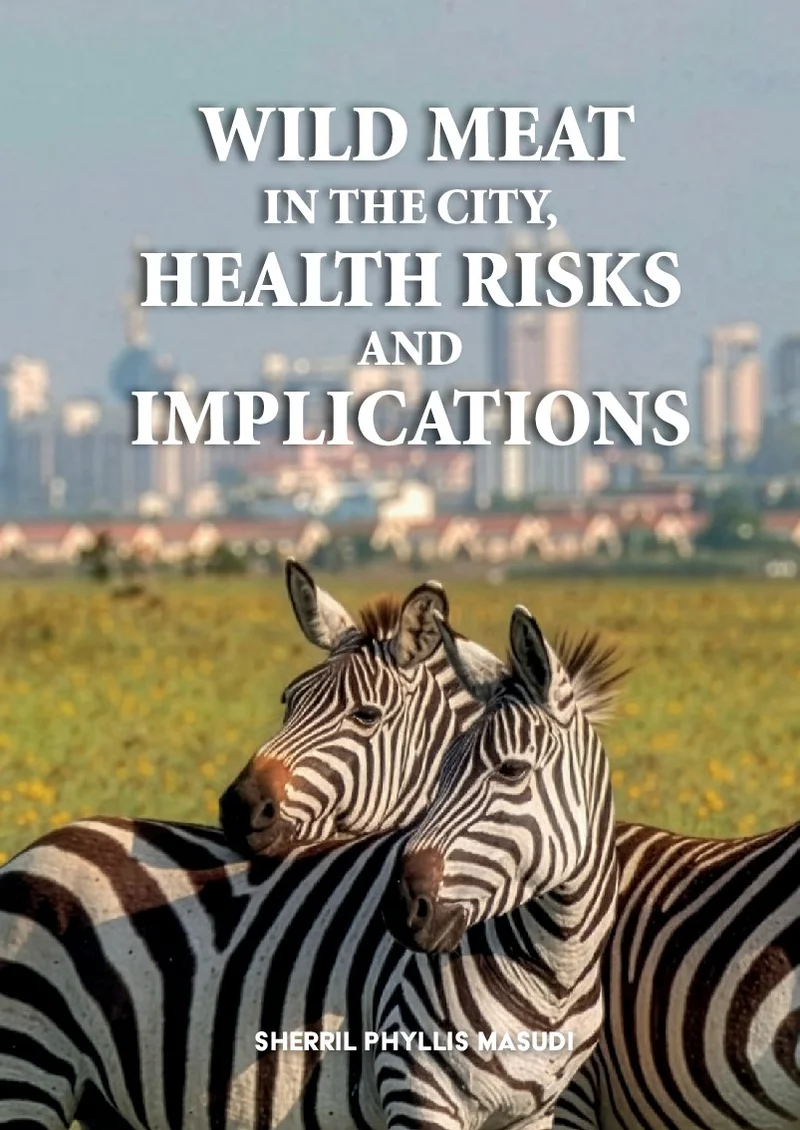
Sherril Phyllis
Wild meat in the city, health risks and implications
1 juni 2026
Wageningen University
Open Ebook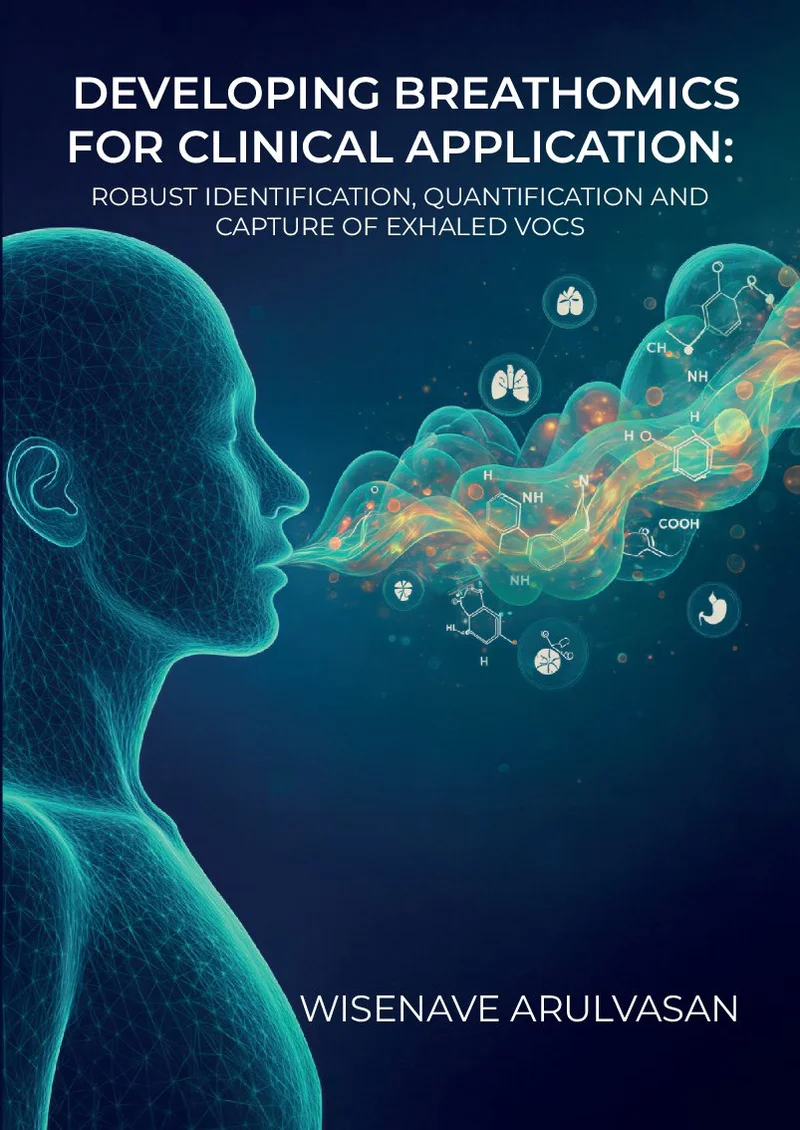
Wisenave Arulvasan
Developing Breathomics for Clinical Application
29 mei 2026
Universiteit Maastricht
Open Ebook

Evi Koene
Pharmacological inhibition of ketohexokinase in inborn and acquired metabolic disorders
4 juni 2026
Universiteit Maastricht
Open Ebook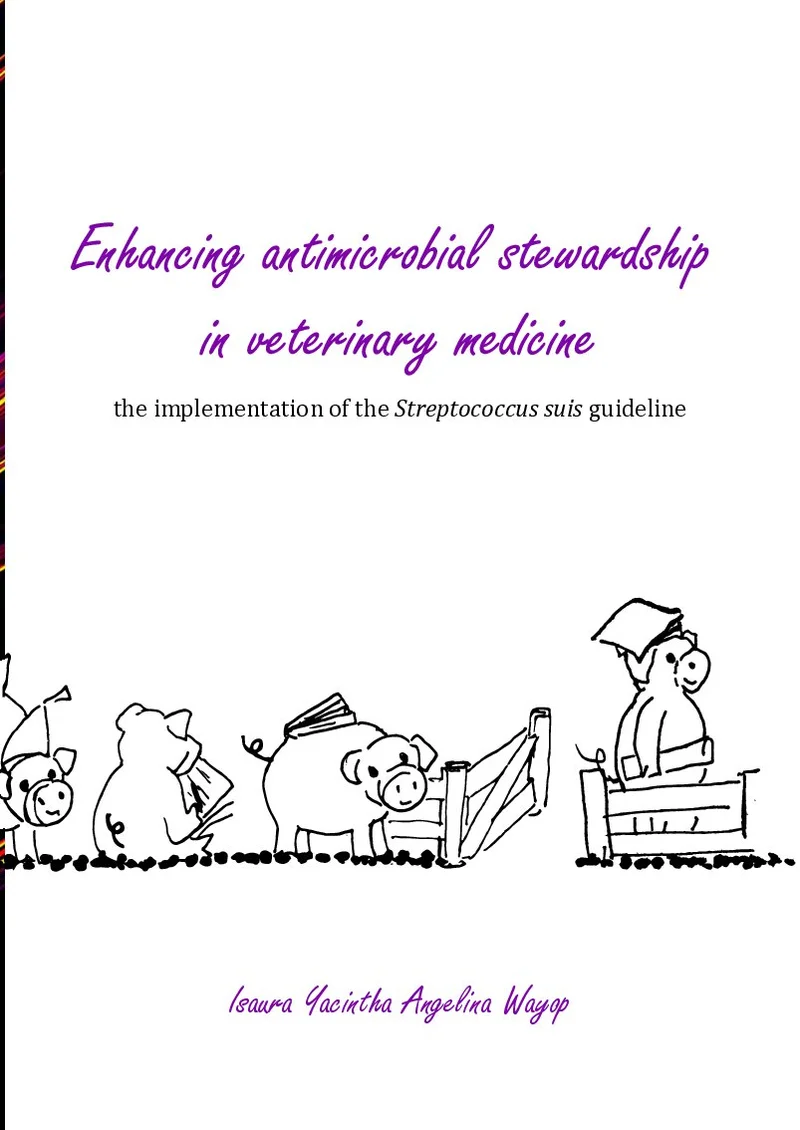
Isaura Wayop
Enhancing antimicrobial stewardship in veterinary medicine
4 juli 2025
Universiteit Utrecht
Open Ebook
Lidongsheng Xing
Identifying Sound Features from Brain Activity
6 mei 2026
Universiteit Maastricht
Open Ebook
Hongchen Li
Microbubble Oscillations and Microstreaming
21 mei 2026
Erasmus Universiteit Rotterdam
Open EbookWe print for the following universities