Share this project
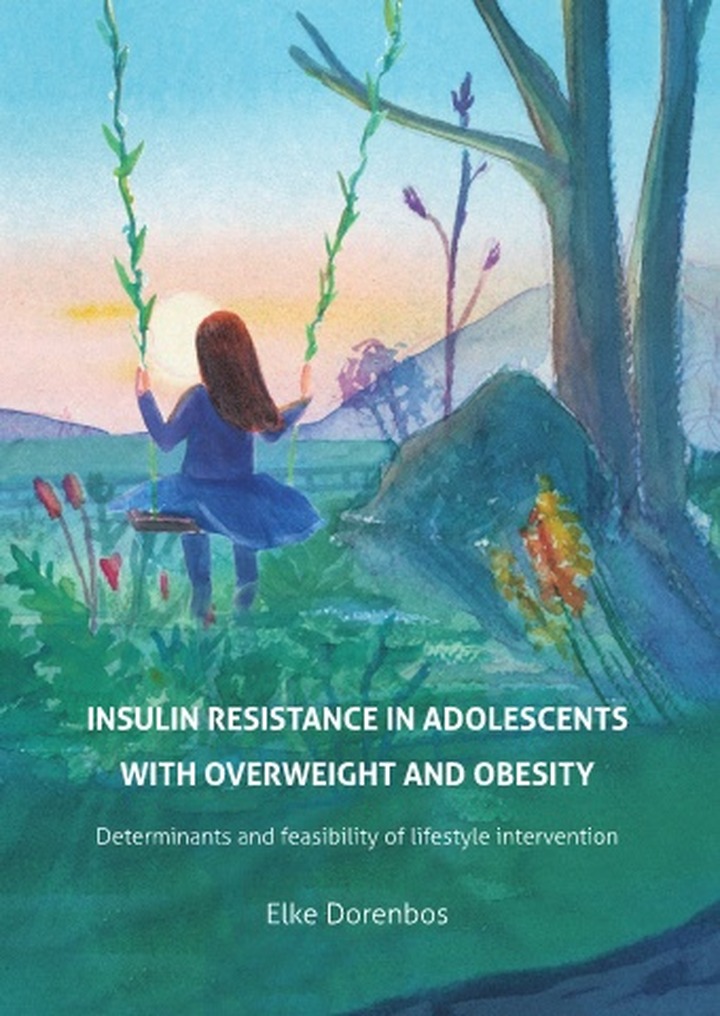
Elke Dorenbos
Universiteit Maastricht
Publication date: 23 september 2020
University: Universiteit Maastricht
ISBN: 978-94-6380-832-3
INSULIN RESISTANCE IN ADOLESCENTS WITH OVERWEIGHT AND OBESITY
Summary
During puberty a physiological, transient increase in insulin resistance (IR) occurs, which might ultimately lead to hyperglycaemia and type 2 diabetes mellitus (T2DM). IR is a comorbidity of obesity and the level of IR appeared to increase with the level of obesity, with up to 52% of adolescents having IR. Moreover, adolescents can convert from IR to T2DM in as little as 21 months. Prevention of further increase of IR, especially in adolescents with overweight/obesity or other risk factors, might therefore decrease risk for T2DM development.
This thesis aimed to gain more insight in determinants of pubertal insulin resistance, especially in adolescents with overweight/obesity at risk for T2DM development. In addition, the effects of a lifestyle intervention on IR in insulin resistant adolescents with overweight/obesity are presented. In 137 adolescents with overweight and obesity from the Centre for Overweight Adolescent and Children’s Healthcare (COACH) associations of BMI z-score, pubertal stage, age and physical activity with IR were analysed (CHAPTER 2). In addition, the data of the PREVention of diabetes through lifestyle Intervention and population studies in Europe and around the World (PREVIEW) study in adolescents is presented. As part of the larger international PREVIEW randomized controlled trial, the PREVIEW study in adolescents aimed to assess the effects of a high-protein low-glycaemic index (GI) diet, compared to a moderate-protein moderate-GI diet, on IR and BMI z-score in adolescents with overweight/obesity and at high risk for developing T2DM. It was hypothesized that the HP diet would be superior in reducing IR in insulin resistant adolescents with overweight/obesity, compared to the MP diet. 126 adolescents from the Netherlands, Spain and United Kingdom that had overweight or obesity and high IR were randomized into a high-protein low-GI (HP, 25En%) or moderate-protein moderate-GI (MP, 15En%) group (CHAPTER 3). In addition, all participants received instructions to increase physical activity (PA). At baseline, after one year and two years of intervention IR, BMI z-score, and cardiometabolic parameters were measured. Furthermore, lifestyle variables such as reported dietary intake, food intake behaviour, PA and sleep characteristics were measured and correlated with (changes in) IR and BMI z-score.
Homeostatic Model Assessment of Insulin Resistance (HOMA-IR) was significantly higher in postpubertal boys compared to prepubertal boys, which is a confirmation of earlier studies (CHAPTER 2). In girls a similar, although not significant, trend was observed. In the PREVIEW study, too, postpubertal adolescents with morbid obesity showed significantly higher HOMA-IR compared to prepubertal subjects with morbid obesity, or overweight/obese subjects at any pubertal stage (CHAPTER 3). This adds to current evidence indicating that especially adolescents with higher obesity status have high IR at the end of puberty.
Both studies observed a positive relationship between BMI z-score and HOMA-IR, reaffirming current literature that higher BMI z-score, and thus higher obesity status, was related to higher IR. In the study of COACH participants a direct positive association between BMI z-score and HOMA-IR was observed in girls, while in boys there was a trend for this relationship (CHAPTER 2). However, after correcting for age, puberty stage and self-reported physical activity, BMI z-score and HOMA-IR were positively associated in boys, too. In the PREVIEW study the group was divided according to pubertal stage and obesity status. Markers of adiposity (BMI z-score, but also fat free mass index, fat mass index and fat percentage) were positively related to HOMA-IR (CHAPTER 3). Thus, adolescents with overweight/obesity are at higher risk of β-cell exhaustion and T2DM development, which requires optimization of therapeutic strategies for prevention of further IR increase.
Changes in reported protein intake were not significantly different between at any timepoint, nor between the HP and MP intervention groups (CHAPTER 4). In addition, a drop-out rate of 34% after one year and 61% after two years of intervention was observed. As a possible consequence the groups did not significantly differ in changes in BMI z-score change, IR nor other cardiometabolic parameters. Maintaining the relatively high protein target of 25En% in the HP group was obviously not feasible during extended periods of time with instructions alone. Achieving and maintaining a target of 25En% protein might only be feasible with vouchers or subsidies for foods high in protein, the use of protein supplements or meal replacements.
Nonetheless, after one year of PREVIEW intervention HOMA-IR stabilized despite progression in pubertal stage. Change in HOMA-IR was positively related to change in BMI z-score after one year, indicating that as adolescents reduced their BMI z-score they also reduced IR. Moreover, after one and two years of PREVIEW intervention a significant and clinically relevant BMI z-score reduction was observed in the total group. The change in BMI z-score was not attributable to one of the dietary strategies of the PREVIEW study. Change in BMI z-score was however inversely related to change in cognitive restraint of eating scores and positively to hunger scores on the Three Factor Eating Questionnaire (TFEQ). As the dietary restraint scores increased significantly after one and two years, this indicated that as adolescents changed their attitude towards food intake they decreased their BMI z-score. The reduction in BMI z-score was counteracted by an increase in hunger scores.
In the cross-sectional COACH study self-reported physical activity, as reported in the Baecke questionnaire, was inversely related to HOMA-IR in boys (but not in girls) after correction for age, BMI z-score and puberty stage (CHAPTER 2). Baseline data of the PREVIEW study, too, showed that Baecke Sport scores were inversely related to glucose concentration, after correction for sex, pubertal stage, BMI z-score and fat mass percentage (CHAPTER 3).
See also these dissertations


Mengxiao Sun
The role of service plants in promoting biological pest control and pollination in Xinjiang pear
3 juni 2026
Wageningen University
Open Ebook
Sherril Phyllis
Wild meat in the city, health risks and implications
1 juni 2026
Wageningen University
Open Ebook
Wisenave Arulvasan
Developing Breathomics for Clinical Application
29 mei 2026
Universiteit Maastricht
Open Ebook

Evi Koene
Pharmacological inhibition of ketohexokinase in inborn and acquired metabolic disorders
4 juni 2026
Universiteit Maastricht
Open Ebook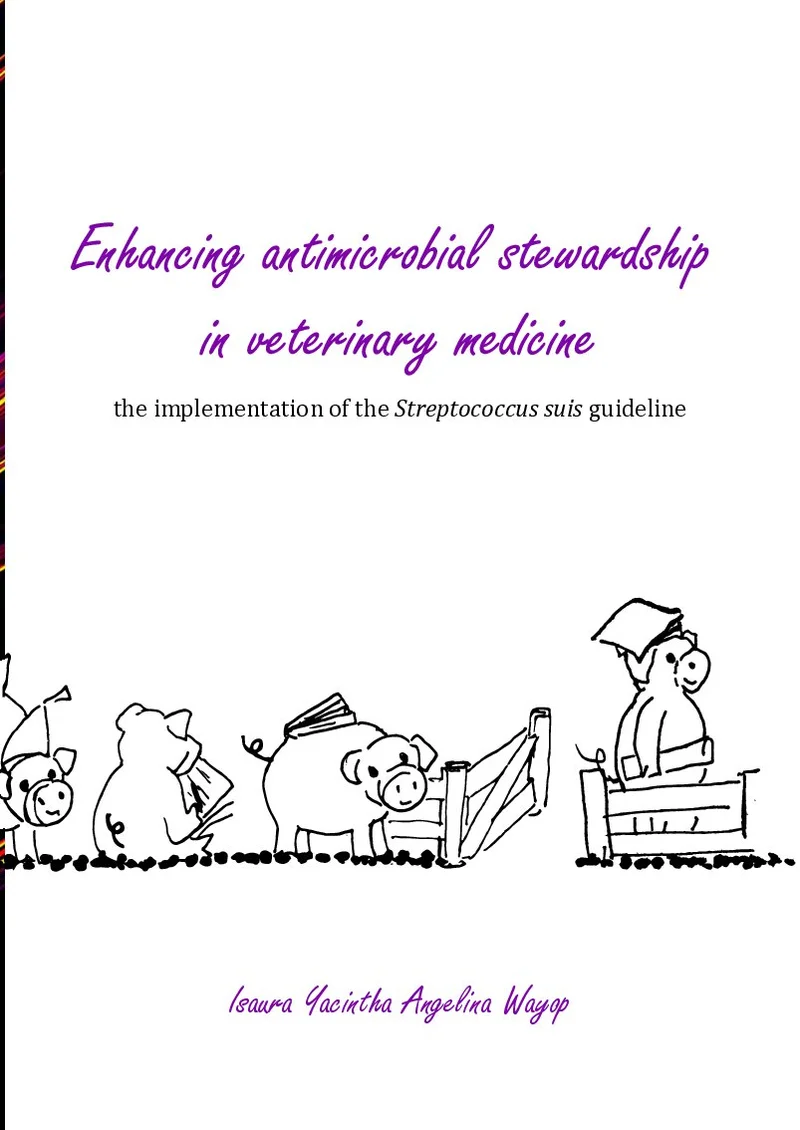
Isaura Wayop
Enhancing antimicrobial stewardship in veterinary medicine
4 juli 2025
Universiteit Utrecht
Open Ebook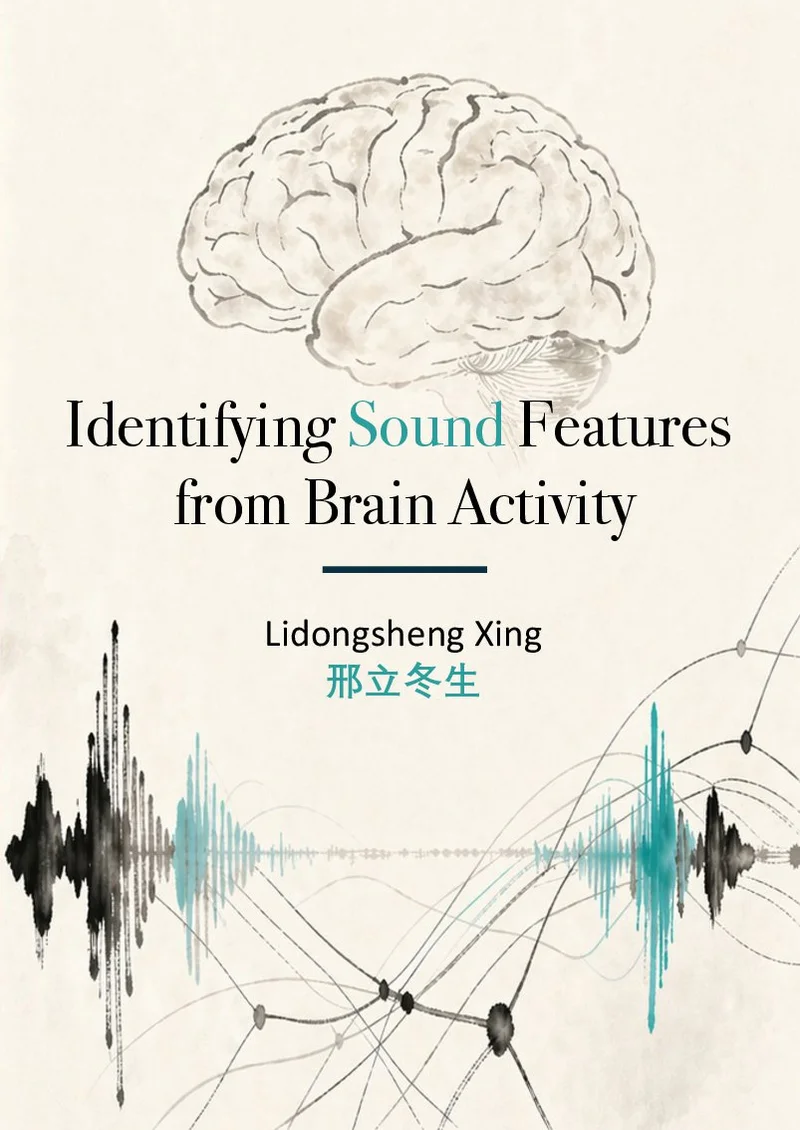
Lidongsheng Xing
Identifying Sound Features from Brain Activity
6 mei 2026
Universiteit Maastricht
Open Ebook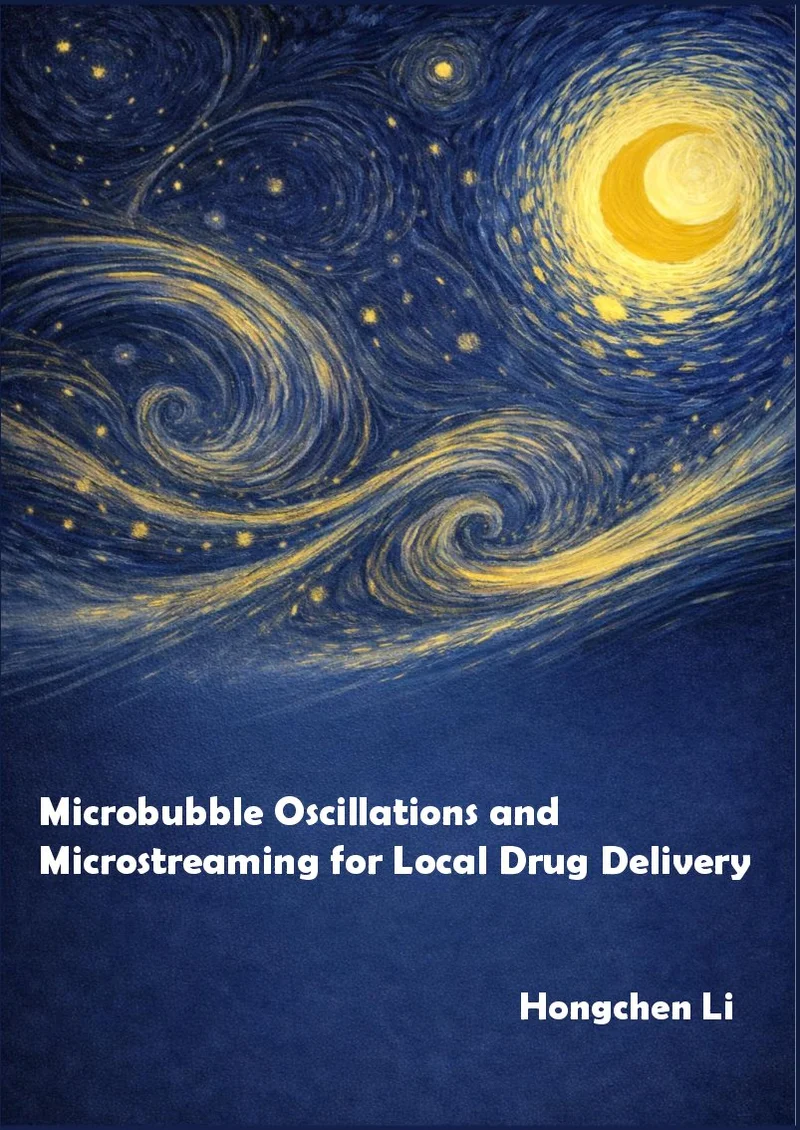
Hongchen Li
Microbubble Oscillations and Microstreaming
21 mei 2026
Erasmus Universiteit Rotterdam
Open EbookWe print for the following universities