Oladipupo Shobowale
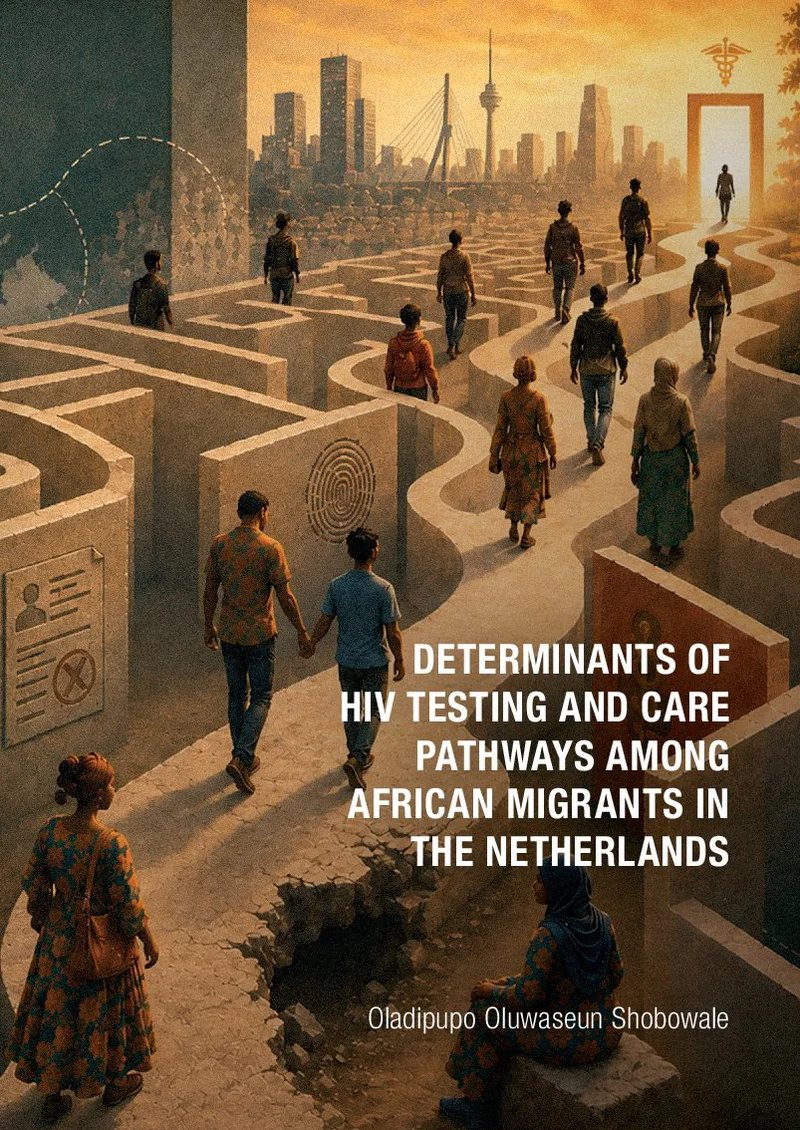
Determinants of HIV Testing and Care Pathways among African Migrants in the Netherlands
21 september 2026
Universiteit Maastricht
Open Ebook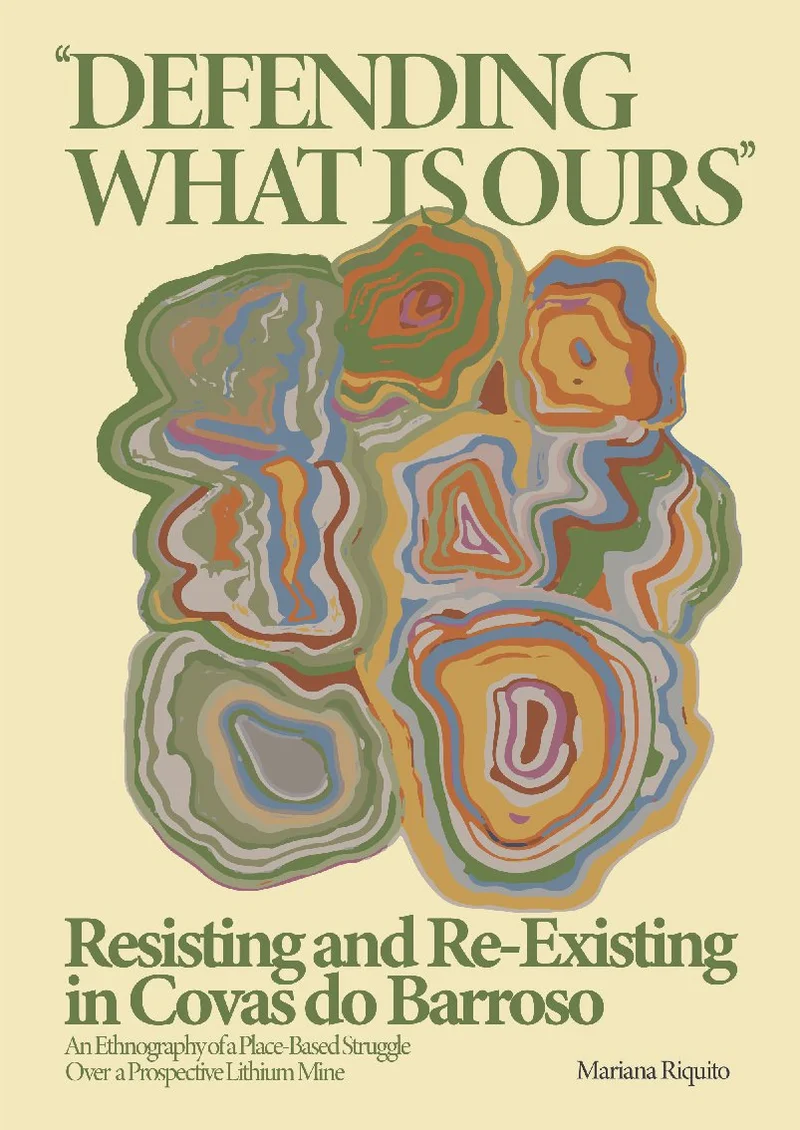
Share this project
Summary
This dissertation is an ethnography of the place-based struggle against the arrival and expansion of an open-pit lithium mine in Covas do Barroso, a village in Northern Portugal, in the mountainous region of Trás-os-Montes. Based on ethnographic fieldwork and ongoing engagement with this place since 2021, the dissertation examines how the arrival of mining reconfigures temporal horizons, relational worlds, and daily practices. The dissertation asks how the arrival and expansion of lithium mining intersects and reshapes place-based practices and the sense of belonging, by examining how the inhabitants – the Barrosões – experience, conceptualize, and contest these transformations, and how their relationships with the mountains, rivers, meadows, and the life forms they sustain are affected. By employing a political-ontological framework for the analysis of extractivist conflicts, this dissertation approaches the struggle in Covas do Barroso as an onto-political conflict.
The dissertation reveals that the mining project is understood as part of broader historical processes of marginalization, dispossession, and the ontological devaluation of the rural lifeworld. Furthermore, it is experienced as a profound existential disruption that dislocates socio-ecological, territorial, temporal, and affective relationships. Mining is not simply a political, economic, or environmental problem; it constitutes an infringement on the essence of being-in-the-world, destabilizing continuity, belonging, and future visions. At the same time, the arrival of the mining project has brought about a renewed connection to place, through which the residents' relationship with mountains, rivers, and meadows, and the diverse life forms they sustain, has been politicized. This has strengthened their sense of belonging to the place and promoted a process of territorial re-appropriation through the politicization of their place-based modo de vida (way of life).
This process of politicization and renewed connection is conceptualized as “re-existence”: a form of resistance rooted in the defense and realization of the conditions of existence themselves, which are inextricably linked to place. Insofar as inhabitants are with the place – connected in complex relationships through which the place makes them and they make the place – resistance to mining becomes a form of defense of their own existence. Refusal – of accepting the project, selling land, or accepting compensation – arises from a fundamental incompatibility between the relational bond of residents with the place and the economic logic of state and corporate actors. Despite this incompatibility, residents strategically engage with state and corporate mechanisms to make their claims politically feasible, while maintaining relationships with place that cannot be reduced to legible grammars – a defense practice conceptualized in this dissertation as “strategic ambiguity.”
By mobilizing political ontology in a European context, this dissertation highlights how ontological differences – between place as a commodity and place as belonging, and between extractive and relational temporalities – persist within the margins of the assumed core of modernity. The dissertation argues that such struggles are not merely local conflicts, but openings toward pluriversal politics. Within a context of hyper-extractivism, this dissertation reveals that the struggle in Covas do Barroso is neither marginal nor isolated, but a crucial case for understanding what is at stake in contemporary energy transitions. By placing the defense of relational lifeworlds at the center, this place-based struggle challenges the colonial inevitability of extractivism and opens up possibilities for pluriversal worlds.

Tamara Horbachevska Konstankevych
Alexander Iain Tulloch Lapresa