Omer Ozcan


The impact of preanalytical errors on laboratory test results
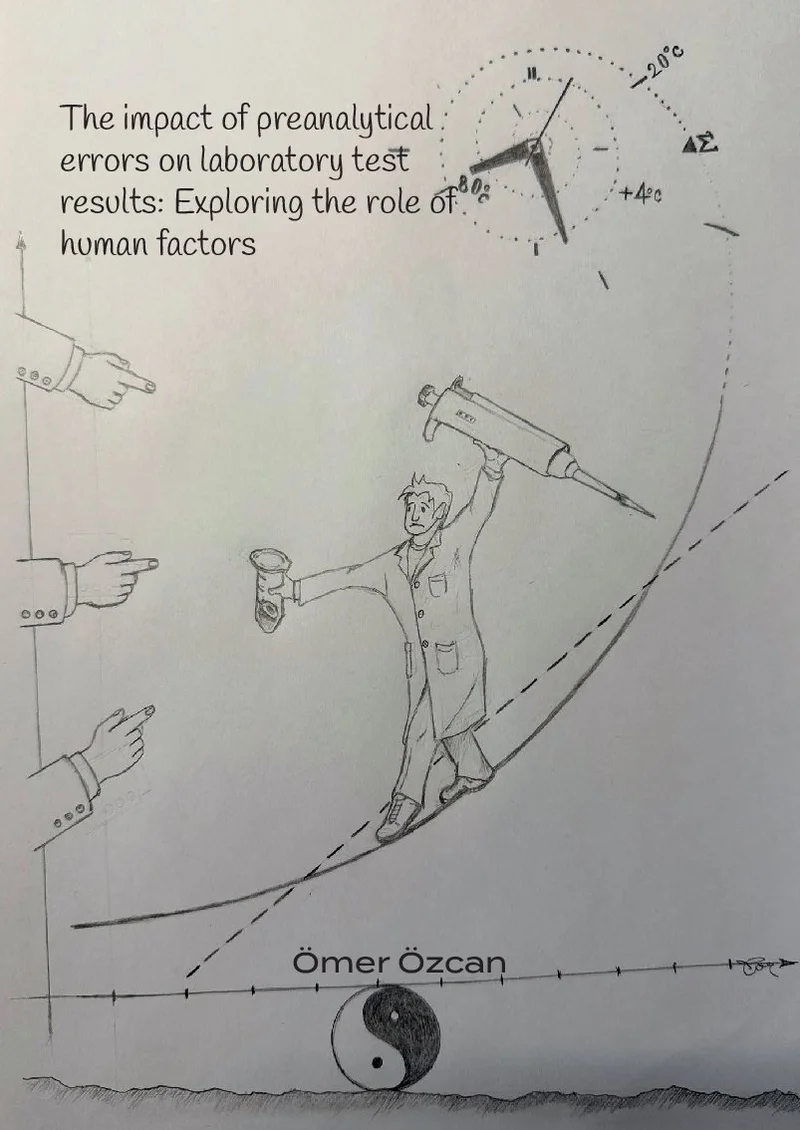
This section of the thesis provides a summary of the primary results obtained from the various chapters. A more detailed analysis of these findings can be found in the preceding discussion section. Part I – The role of the Patient in Sample Collection The case report in chapter 2 involving a 6-month-old girl illustrates how the use of a barrier cream interfered with urine protein measurements, leading to misleading results. This section emphasizes the importance of clear patient instructions, especially for vulnerable populations, and advocates for alternative methods when interference is likely. Well-informed patient participation is essential to prevent sample contamination and ensure valid results. Chapter 3 presents a retrospective study that shows how inaccurate 24-hour urine collection by patients affects the variability of urine free cortisol concentrations. The study’s findings emphasize the importance of patient instructions to ensure valid urine free cortisol results. Part II – Preanalytics From a Physician Perspective Chapter 4 provides a comprehensive review that illustrates the effects of hormonal contraceptives, depending on their composition, dosage, and administration route on clinical chemistry test results. It also highlights the lack of data on newer formulations. Since enhanced physician awareness leads to better test selection and interpretation, thereby improving diagnostic accuracy, physicians must consider medications and other pre-analytical variables when ordering and interpreting laboratory tests. Part III – The Role of Laboratory Specialist in Preanalytics Chapter 5 emphasizes the importance of the preanalytical error source of cryoactivation of prorenin a process in which prorenin is converted to renin. This error can be caused by storing the sample at −20 °C, leading to falsely elevated renin concentrations. Such artefactual increases can distort the interpretation of renin–angiotensin system testing and may compromise the diagnostic evaluation of hypertension. Chapter 6 presents an example of a practical solution to prevent cryoactivation of prorenin: using protease inhibitor tubes in combination with 2-hour incubation at 37 °C. This procedure reversed cryoactivation in blood samples collected in tubes containing trypsin inhibitor and protease cocktail inhibitor, providing an effective alternative to prevent cryoactivation. Chapter 7 represents the findings of a national survey that reveal varying levels of awareness and implementation of measures to reduce cryoactivation among laboratory professionals regarding new evidence on the cryoactivation phenomenon, which causes falsely elevated renin concentrations. Therefore, this chapter underscores the need for effective strategies to raise awareness among laboratory specialists and to promote the integration of recent scientific evidence into routine practice. Part IV – Impact of the Experience and Training of the Laboratory Technician Chapter 8 emphasizes the importance of trained and experienced personnel performing laboratory analyses in research settings, as they produce more consistent results than less trained individuals. This chapter reveals the necessity of defining the level of training and expertise of the personnel involved in the methods section of scientific studies. Chapter 9 highlights the variability in manual pipetting performance among laboratory staff with different levels of experience and educational backgrounds. Higher levels of training were consistently associated with improved performance. This chapter emphasizes the importance of education and experience for performing laboratory analyses. Lastly, chapter 10 brings together the findings of this thesis and provides a critical discussion with future perspectives for research on preanalysis.
| Publicatiedatum | 25 september 2026 |
| Universiteit | Vrije Universiteit Amsterdam |
| Auteur | Omer Ozcan |
| ISBN nummer | 978-94-6534-578-9 |
| DOI nummer | 10.5463/thesis.1765 |